The term “sustainable clothing” is thrown around so much these days that it can feel overwhelming to figure out what’s truly eco-friendly and ethical. While some brands genuinely prioritize sustainability, others use greenwashing tactics to make their products appear sustainable. So how can you tell the difference?
By asking the right questions, you can make informed choices, support ethical brands, and feel confident that your purchases align with your values. In this post, we’ll explore 10 essential questions to ask before buying “sustainable” clothing to help you separate fact from fiction.
1. What Materials Are Used?
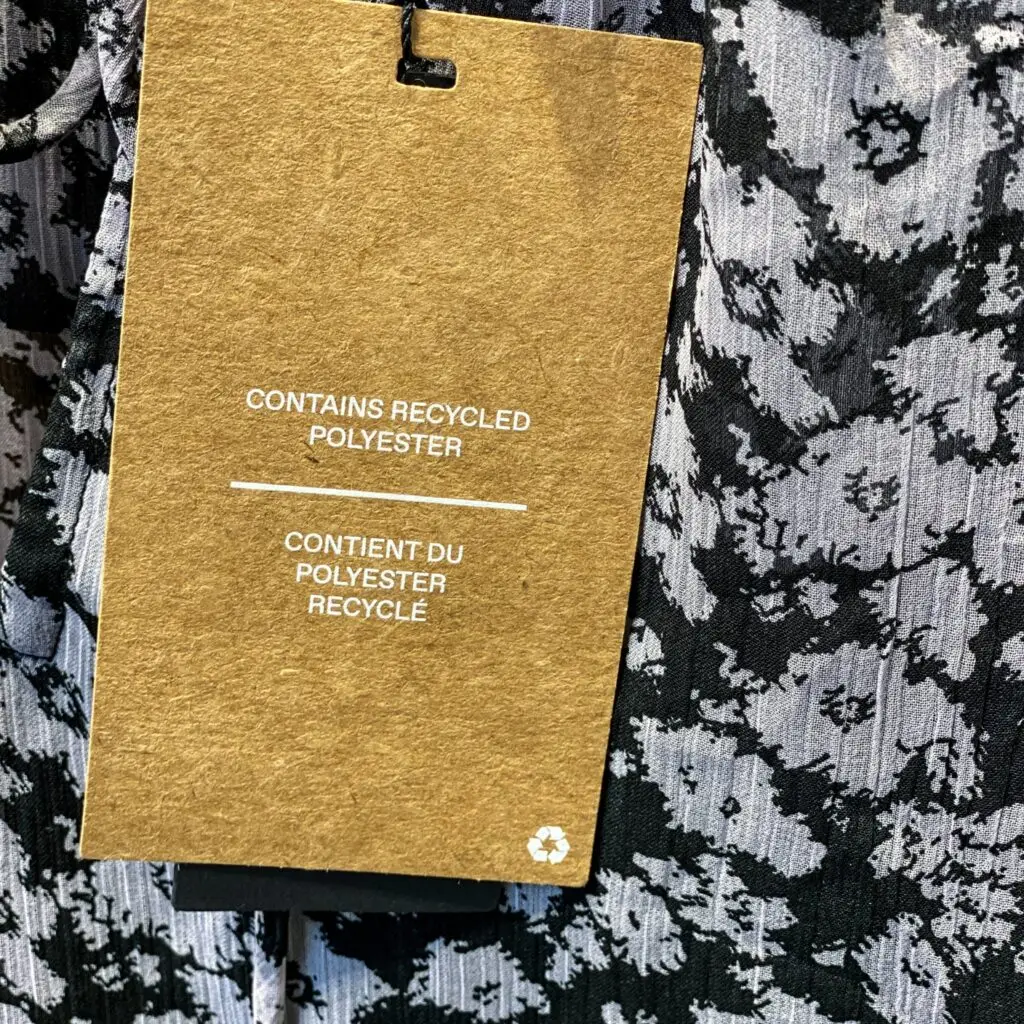
The materials used in a garment can significantly impact its sustainability. Natural fibers like organic cotton, hemp, and Tencel are often more eco-friendly than synthetic fabrics like polyester.
Quick Tips:
- Look for certifications like GOTS (Global Organic Textile Standard).
- Avoid fabrics made from virgin plastic, such as traditional polyester or nylon.
External Link: Learn more about sustainable fabrics at Sustainable Apparel Coalition.
2. How Transparent Is the Brand?
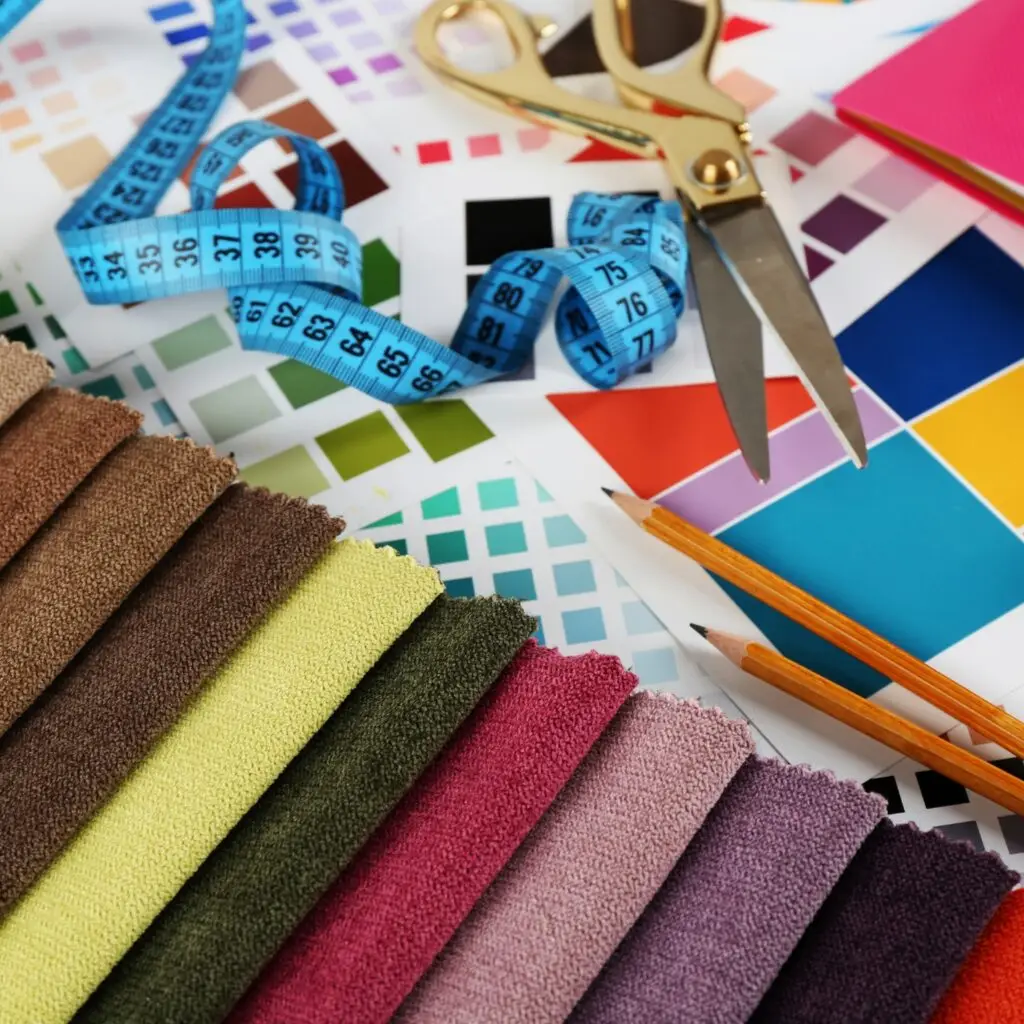
A truly sustainable brand will provide clear and honest information about their practices, including sourcing, labor conditions, and environmental impact.
Red Flags to Watch For:
- Vague claims like “eco-friendly” without details.
- Lack of publicly available sustainability reports.
Pro Tip: Check the brand’s website for transparency reports and supply chain details.
3. Where Is It Made?
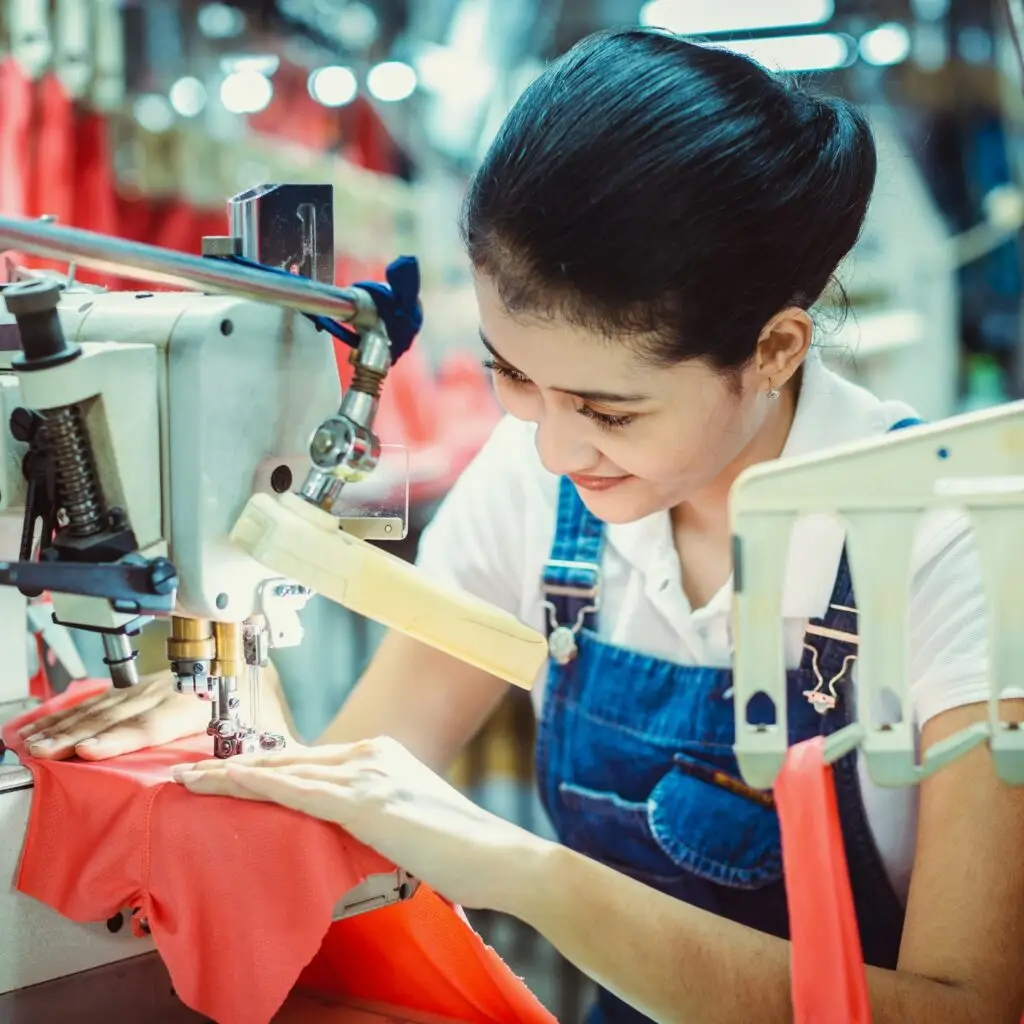
The location of manufacturing can reveal a lot about the brand’s labor practices and carbon footprint. Local production often means lower emissions, while international production might involve questionable labor conditions.
Questions to Ask:
- Are the workers paid fair wages?
- Is the factory certified for ethical practices (e.g., Fair Trade Certified)?
4. Is It Made to Last?
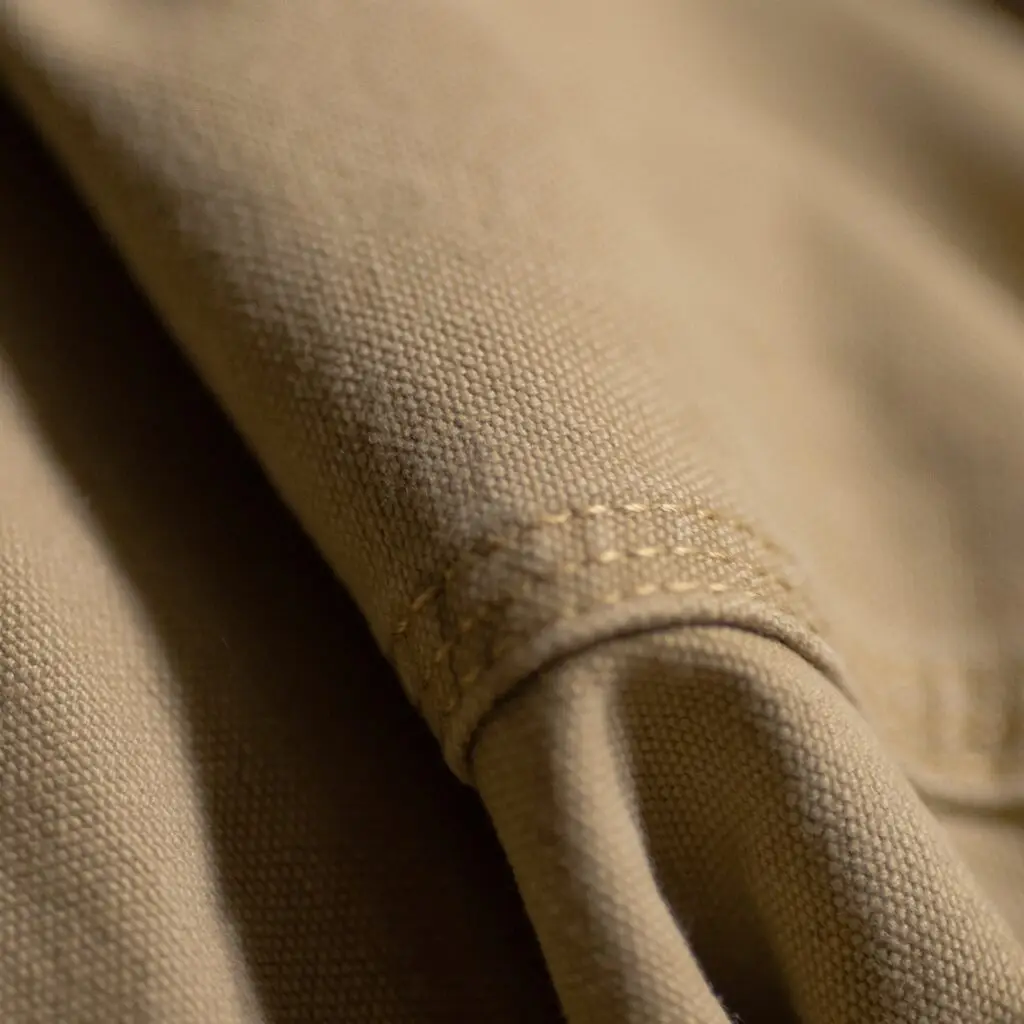
Sustainability isn’t just about materials—it’s also about durability. High-quality clothing that lasts for years is much more sustainable than fast fashion items that fall apart after a few wears.
How to Check for Durability:
- Look for reinforced seams and high-quality stitching.
- Read reviews to see how garments hold up over time.
5. Does the Brand Offer Take-Back or Recycling Programs?
Some brands go the extra mile by offering recycling or take-back programs to ensure their products don’t end up in landfills.
Examples of Take-Back Programs:
| Brand | Recycling/Take-Back Program |
|---|---|
| Patagonia | Worn Wear Program |
| H&M | In-store recycling for old clothes |
| Levi’s | Denim recycling for discounts |
6. Are the Dyes and Chemicals Eco-Friendly?
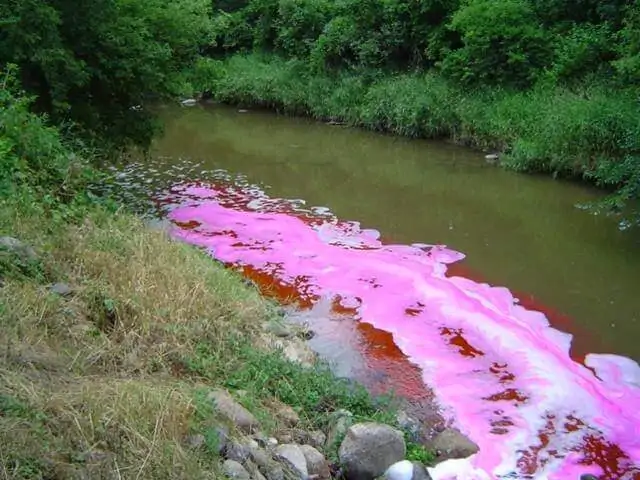
Conventional dyes and chemicals can be harmful to the environment and your skin. Look for brands that use non-toxic, water-efficient dyeing methods.
Certifications to Look For:
- OEKO-TEX Standard 100
- bluesign® certified fabrics
7. How Is It Packaged?
Sustainable clothing shouldn’t arrive wrapped in layers of plastic. Eco-conscious brands often use minimal or recyclable packaging.
Packaging Tips:
- Look for compostable or paper packaging.
- Avoid brands that use excessive plastic wrapping.
8. Does the Brand Give Back?
Many sustainable brands go beyond just selling clothes—they actively support environmental and social causes. This can include donating to nonprofits, planting trees, or supporting local communities.
Examples:
- Tentree plants 10 trees for every item sold.
- Everlane donates a portion of profits to environmental organizations.
9. Is the Brand Certified for Sustainability?
Certifications can be a quick way to determine if a brand is serious about sustainability. Some widely recognized certifications include:
- Fair Trade Certified
- B Corp Certified
- Cradle to Cradle Certified

10. Will You Wear It at Least 30 Times?
One of the simplest ways to ensure your purchase is sustainable is to ask yourself, “Will I wear this at least 30 times?” If the answer is no, it’s likely not worth buying.
Pro Tip: Focus on versatile, timeless pieces that fit well and match your existing wardrobe.

At Planet Ideal, we’re on a mission to make sustainable living accessible for everyone. Our team of eco-enthusiasts writes short, snappy, and easy-to-digest articles designed to inspire real change without overwhelming. From practical tips to innovative ideas, we’re here to prove that living green can be stylish, convenient, and enjoyable. Join us as we empower individuals, families, and communities to embrace eco-friendly lifestyles—one step, one story, and one solution at a time.