Building a sustainable wardrobe is about more than just choosing eco-friendly fabrics or avoiding fast fashion brands—it’s about creating a collection of clothing that fits your personal style, works for your lifestyle, and lasts for years to come. In this post, we’ll walk you through the steps to build a sustainable wardrobe with pieces that are not only kind to the planet but also make you feel great every time you wear them.
The key to sustainability in fashion lies in making thoughtful decisions and embracing a conscious approach to what you wear. This means prioritizing quality over quantity, choosing versatile pieces, and supporting brands that align with ethical and eco-friendly practices.
Let’s get started on your journey to a stylish, sustainable wardrobe.
1. Start with a Closet Clean-Out
Before you build your sustainable wardrobe, it’s essential to assess what you already have. A closet clean-out can help you identify items that no longer fit, pieces that you don’t wear, and things that need repairing. Here’s how to do it:
- Sort your clothes into categories (keep, donate, repair, or recycle).
- Focus on quality pieces that you wear often, and let go of fast-fashion items that were worn just once or twice.
- Consider donating items in good condition to charities or second-hand stores, and recycle those that are too worn out.
This process is not only refreshing but will give you a clearer idea of what’s missing in your wardrobe.

2. Choose Timeless, Versatile Pieces
Building a sustainable wardrobe is all about choosing versatile pieces that can be mixed and matched, ensuring you get the most wear out of each item. Think of your wardrobe as a capsule collection—a carefully curated set of items that you can wear together to create multiple outfits. Key pieces to focus on include:
- A classic white shirt: Perfect for layering, wearing alone, or dressing up or down.
- A great pair of jeans: Look for a style that flatters your body and can be worn in both casual and dressy settings.
- A tailored blazer: Elevates any outfit and can be worn to the office or for a night out.
- A versatile dress: Something you can pair with sneakers during the day or heels for a night out.
- Neutral basics: T-shirts, cardigans, and tank tops in shades that work with everything in your wardrobe.

3. Prioritize Sustainable Fabrics
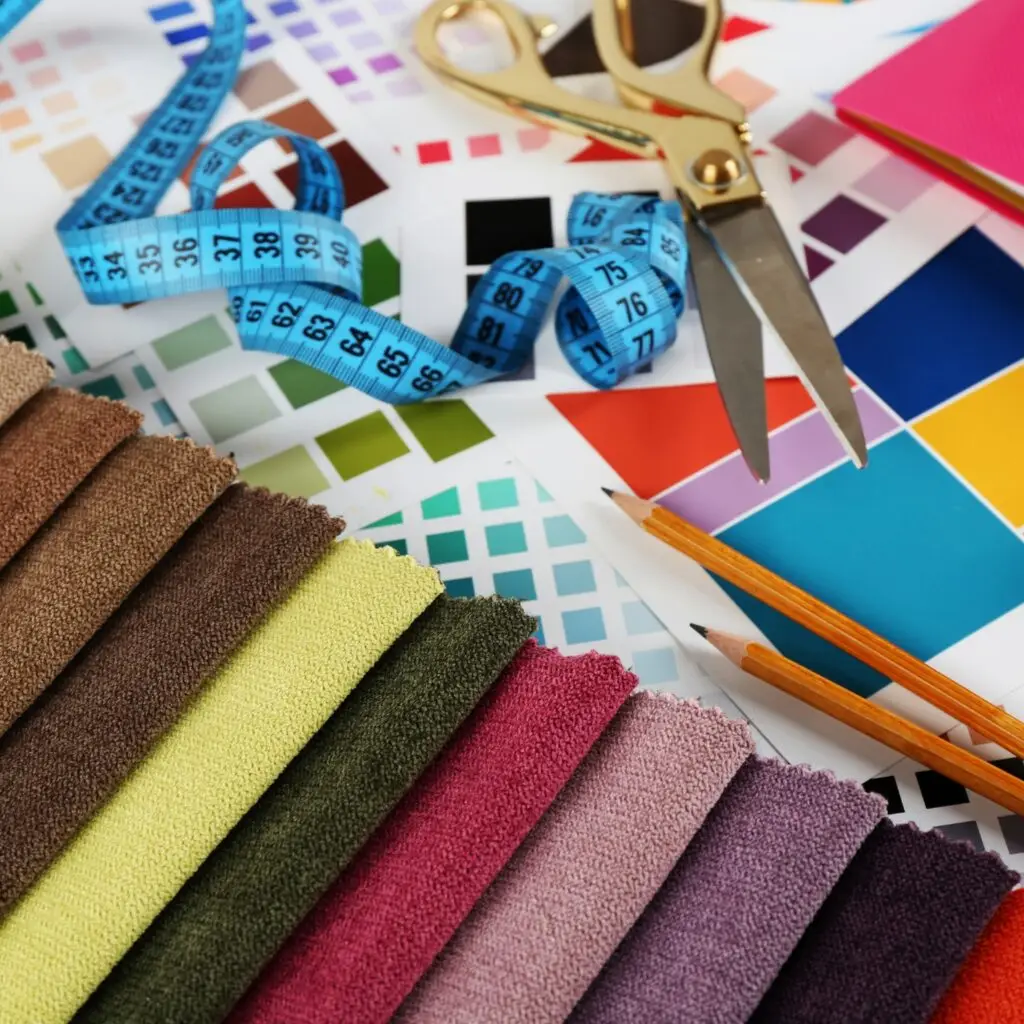
The materials used to make your clothes are an essential part of building a sustainable wardrobe. Opt for natural, renewable fabrics that have less environmental impact. Some great options include:
- Organic cotton: Grown without pesticides and chemicals, making it better for both the environment and the people who grow it.
- Linen: Made from flax, a sustainable crop that requires less water and chemicals.
- Hemp: A highly sustainable fabric that is durable, breathable, and naturally resistant to pests.
- Tencel (Lyocell): A biodegradable fiber made from sustainably sourced wood pulp.
- Recycled polyester: Made from post-consumer plastic bottles, which reduces waste and energy consumption.
When possible, choose eco-friendly brands that prioritize these sustainable fabrics and ethical manufacturing processes.
4. Support Ethical and Transparent Brands
It’s important to support brands that prioritize ethical practices in both sourcing and production. Look for companies that are transparent about where their materials come from and how their clothing is made. Brands with certifications such as Fair Trade, GOTS (Global Organic Textile Standard), or B Corp show a commitment to sustainability and ethical labor practices.
Here’s what to look for when choosing sustainable brands:
- Fair wages and safe working conditions for workers.
- Use of sustainable or recycled materials.
- Commitment to low waste and ethical production processes.
- Transparency in the supply chain.
When you invest in these kinds of brands, you support positive change in the fashion industry.

5. Embrace Second-Hand and Upcycling
Building a sustainable wardrobe doesn’t mean buying everything new. Second-hand shopping and upcycling are fantastic ways to reduce your environmental impact while still building a stylish wardrobe. Thrift stores, consignment shops, and online marketplaces like Poshmark or Depop offer endless options for unique, high-quality items.
- Vintage pieces can add character and style to your wardrobe while being kinder to the planet.
- Upcycle old clothes by turning them into something new (e.g., transforming a worn-out sweater into a trendy scarf or tote bag).
Not only does this reduce demand for new clothing, but it also gives old pieces a second life.
Picture Spot: A collection of second-hand clothing, maybe with a “before” and “after” picture showing an upcycled item, like a revamped vintage jacket.
6. Invest in High-Quality, Durable Pieces
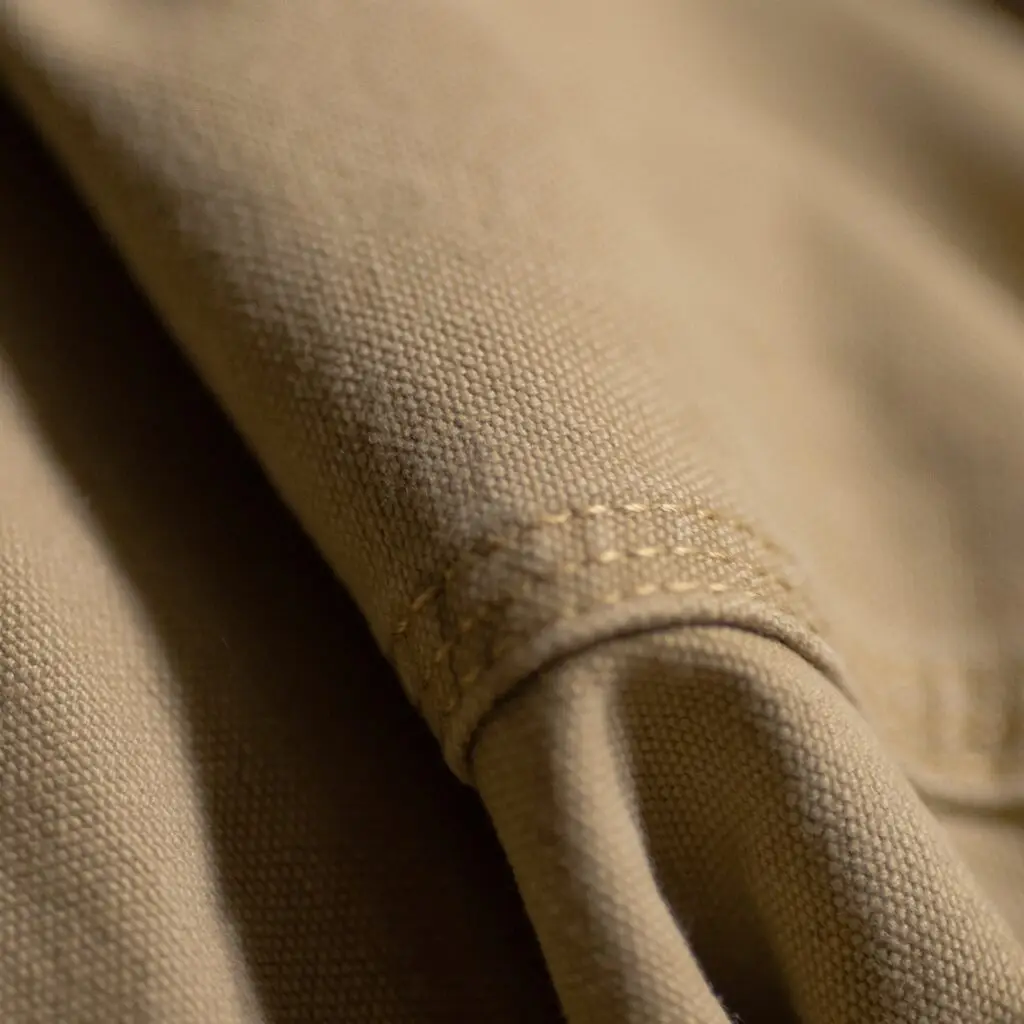
When it comes to building a sustainable wardrobe, quality over quantity is key. Invest in clothing that is durable, well-made, and timeless. High-quality pieces will last longer, saving you money in the long run and reducing the need to buy replacements. Look for:
- Sturdy stitching
- Reinforced seams
- High-quality zippers and fastenings
- Clothing that feels comfortable and fits well
By investing in well-crafted pieces, you’ll have clothing that stands the test of time and reduces the need for constant replacements.
7. Care for Your Clothes to Make Them Last
Proper care can significantly extend the life of your clothing. Here are a few tips for keeping your wardrobe looking great:
- Wash in cold water to reduce energy consumption and prevent wear and tear.
- Air dry clothes instead of using a tumble dryer to conserve energy.
- Repair damaged clothes instead of throwing them away—patch holes, sew on buttons, or take them to a tailor.
- Store items properly by hanging or folding them in a way that prevents stretching or damage.
Taking good care of your clothes ensures they’ll stay in good condition and reduce your need to buy new clothes frequently.

Conclusion
Building a sustainable wardrobe doesn’t require a complete overhaul—it’s about making mindful decisions, choosing quality over quantity, and embracing eco-friendly materials and ethical brands. By following these steps, you can curate a collection of clothes that you truly love and feel good about wearing. Plus, you’ll be contributing to a more sustainable, ethical fashion industry, one conscious purchase at a time.
Are you ready to create your dream sustainable wardrobe? Share your favorite sustainable fashion tips in the comments below!
At Planet Ideal, we’re on a mission to make sustainable living accessible for everyone. Our team of eco-enthusiasts writes short, snappy, and easy-to-digest articles designed to inspire real change without overwhelming. From practical tips to innovative ideas, we’re here to prove that living green can be stylish, convenient, and enjoyable. Join us as we empower individuals, families, and communities to embrace eco-friendly lifestyles—one step, one story, and one solution at a time.