In a world filled with endless shopping options, it’s easy to feel overwhelmed by the sheer number of choices. But not all brands are created equal. Some prioritize profits above all else, while others go the extra mile to protect the planet, pay fair wages, and give back to communities. These are the ethical brands—companies that align their business practices with values like sustainability, transparency, and social responsibility.
Choosing ethical brands is about more than just feeling good about your purchases. It’s about using your buying power to support businesses that are making a positive impact. In this post, we’ll explore how to identify ethical brands, why it matters, and practical tips for aligning your shopping habits with your values.
What Does It Mean to Be an Ethical Brand?
An ethical brand operates with a strong commitment to doing what’s right for people, the planet, and society. This often includes practices like:
- Sustainability: Using eco-friendly materials and reducing waste.
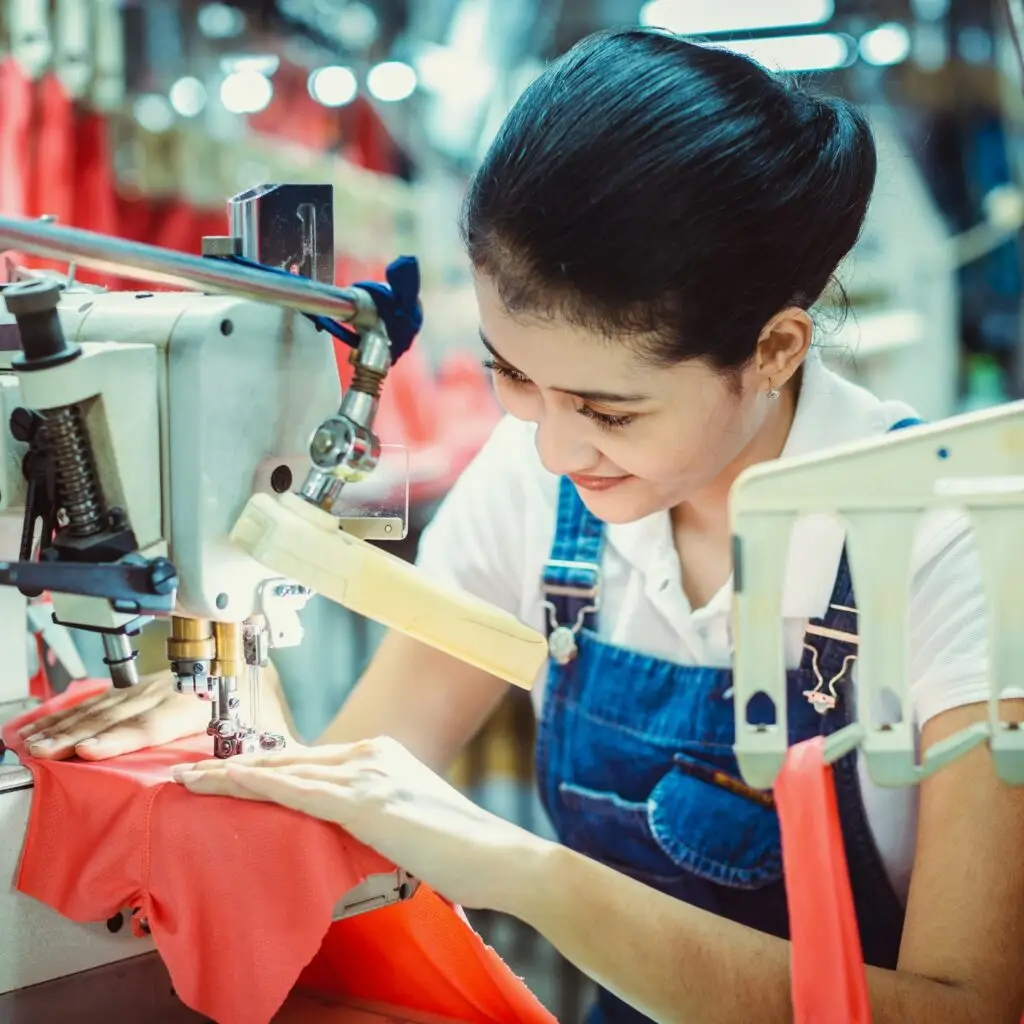
- Fair Labor Practices: Paying fair wages, providing safe working conditions, and avoiding exploitative labor.
- Transparency: Sharing clear, honest information about their supply chain and practices.
- Community Impact: Giving back through charitable efforts or local initiatives.
Ethical brands recognize that their success shouldn’t come at the expense of the environment or human rights—and they take action to reflect this commitment.
1. Know What Matters to You
Before you start evaluating brands, take a moment to reflect on your own values. What’s most important to you?
Common Ethical Considerations:
| Value | What to Look For in a Brand |
|---|---|
| Sustainability | Brands that use renewable materials and minimize waste. |
| Fair Labor | Companies that provide fair wages and safe working conditions. |
| Animal Welfare | Cruelty-free and vegan certifications. |
| Community Support | Businesses that give back to local communities. |
By identifying your priorities, you’ll be better equipped to choose brands that align with your values.

2. Research Brand Practices and Certifications
Transparency is key when it comes to ethical brands. Companies that are truly committed to doing good often make their practices public.
Certifications to Look For:
| Certification | What It Ensures |
|---|---|
| Fair Trade Certified | Workers receive fair wages and work in safe conditions. |
| B Corporation | The company meets high standards of social and environmental performance. |
| Leaping Bunny | The brand is cruelty-free and does not test on animals. |
| GOTS (Global Organic Textile Standard) | Ensures organic and sustainable textile production. |
External Link: Explore ethical certifications in detail at Ethical Consumer.

3. Investigate Supply Chains
A company’s supply chain says a lot about its values. Ethical brands often source materials responsibly, pay fair wages, and ensure safe working conditions throughout their supply chain.
Questions to Ask About Supply Chains:
- Where are the materials sourced from?
- Are workers treated fairly and paid living wages?
- Does the company work with environmentally responsible suppliers?
Look for brands that prioritize transparency and share detailed information about their supply chains on their websites.
4. Start Small: Ethical Swaps for Everyday Items
Switching to ethical brands doesn’t mean overhauling your life overnight. Start by making small, intentional swaps in your daily purchases.
Easy Ethical Swaps:
| Traditional Product | Ethical Alternative |
|---|---|
| Fast fashion brands | Sustainable clothing from brands like Patagonia or Everlane. |
| Plastic toothbrushes | Bamboo toothbrushes from brands like Humble Co. |
| Conventional coffee | Fair Trade Certified coffee from brands like Equal Exchange. |
| Generic cleaning products | Eco-friendly options from Seventh Generation. |
Small changes add up over time, helping you transition to a more ethical lifestyle.
5. Avoid Greenwashing
Greenwashing is when a company falsely advertises itself as environmentally friendly without taking meaningful action. It’s important to dig deeper to separate genuine ethical brands from those just jumping on the sustainability trend.
How to Spot Greenwashing:
- Vague Claims: Beware of phrases like “eco-friendly” or “natural” without concrete evidence.
- Lack of Certifications: Legitimate ethical brands often have recognized certifications.
- No Transparency: If a brand doesn’t share details about its practices, that’s a red flag.
Pro Tip: Use tools like Good On You to check a brand’s ethical rating.
6. Support Local and Small Businesses
Local and small businesses often have a smaller environmental footprint and a closer connection to their communities. Supporting these businesses is a great way to promote ethical practices while keeping your money in the local economy.
Benefits of Shopping Local:
- Reduces the carbon footprint associated with long-distance shipping.
- Encourages craftsmanship and unique, high-quality products.
- Supports local families and communities instead of global corporations.

Benefits of Choosing Ethical Brands
| Benefit | How It Impacts You | How It Impacts the Planet |
|---|---|---|
| Supporting fair wages | Promotes economic equity. | Reduces global exploitation. |
| Reducing waste | Encourages mindful consumption. | Limits landfill contributions. |
| Fostering innovation | Drives sustainable practices across industries. | Protects ecosystems and resources. |
Checklist: How to Choose Ethical Brands
| Step | Action |
|---|---|
| Identify your values | Decide what matters most—sustainability, fair labor, etc. |
| Research certifications | Look for labels like Fair Trade, B Corp, or GOTS. |
| Investigate transparency | Read about the brand’s supply chain and practices. |
| Avoid greenwashing | Verify claims with independent tools and certifications. |
| Support small/local businesses | Start with ethical options in your community. |
At Planet Ideal, we’re on a mission to make sustainable living accessible for everyone. Our team of eco-enthusiasts writes short, snappy, and easy-to-digest articles designed to inspire real change without overwhelming. From practical tips to innovative ideas, we’re here to prove that living green can be stylish, convenient, and enjoyable. Join us as we empower individuals, families, and communities to embrace eco-friendly lifestyles—one step, one story, and one solution at a time.