eco-friendly lifestyle

Small Balcony Garden with Vibrant Plants
Sustainable Living Basics

Green Living for Beginners: A No-Stress Approach to Eco-Friendliness

Starting your journey toward green living can feel overwhelming, but it doesn’t have to be. Adopting eco-friendly habits is about making simple, intentional choices that align with your lifestyle. Whether you’re just dipping your toes into sustainability or ready to take bigger steps, this beginner-friendly guide will help you ease into green living without stress.

A shopper browsing eco-friendly products at a zero-waste store, filling jars and reusable containers.
Sustainable Living Basics

10 Simple Swaps to Make Your Life More Sustainable (And Save Money!)

Living sustainably doesn’t mean sacrificing comfort or breaking the bank. In fact, many eco-friendly changes not only help the planet but also save you money over time. By making simple swaps in your daily routine, you can reduce waste, conserve energy, and even cut down on expenses—all without a major lifestyle overhaul.

Here are 10 easy, practical swaps to start living a more sustainable (and cost-effective) life today.

A family sharing a meal outdoors, laughing and connecting, symbolizing the importance of quality time.
Personal Well-Being & Sustainability

How to Practice Slow Living for a More Balanced, Eco-Friendly Life

In today’s fast-paced world, it’s easy to feel overwhelmed, rushed, and disconnected from what truly matters. We’re constantly juggling responsibilities, consuming on autopilot, and rushing through life without taking a moment to pause. Enter slow living: a lifestyle that encourages mindfulness, intentionality, and a deeper connection with the world around us.

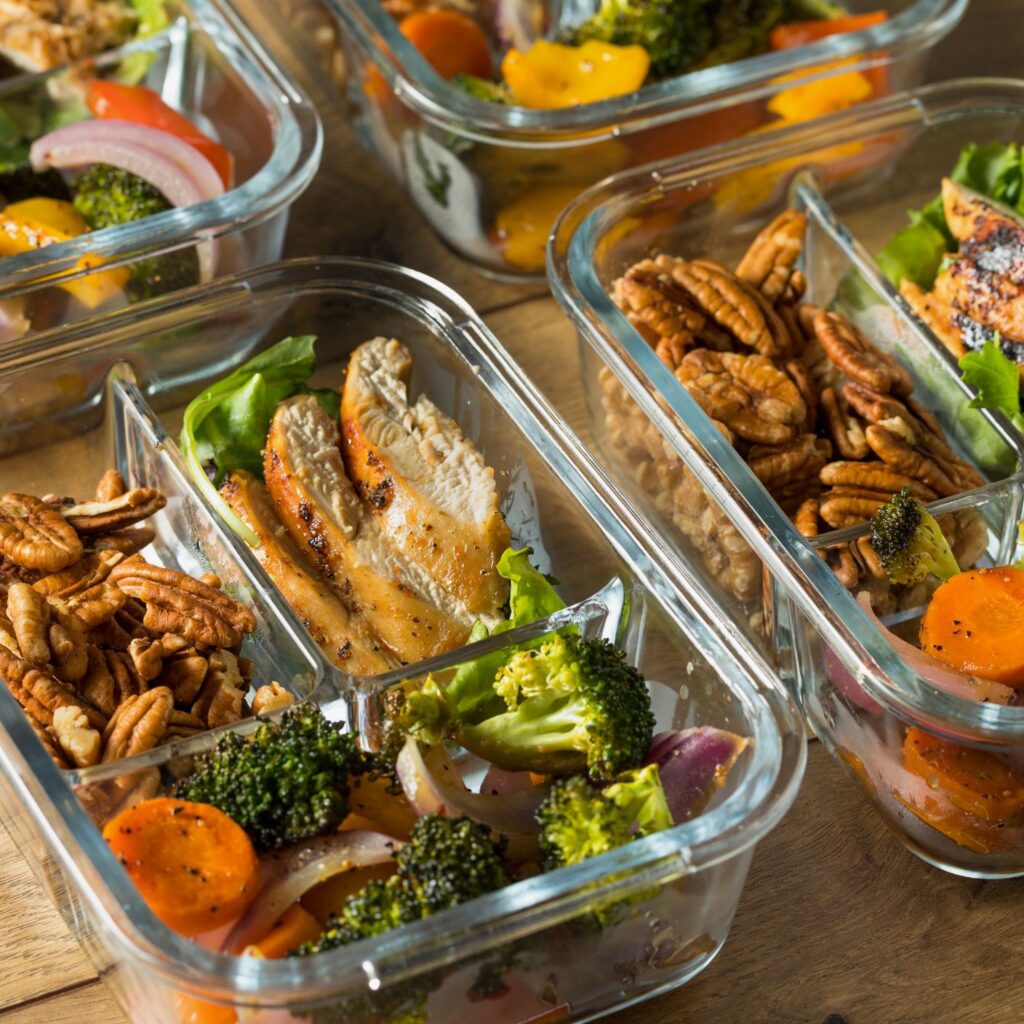
Neatly arranged glass meal prep containers
Sustainable Living Basics

Eco-Friendly Living for Busy People: 7 Easy, Time-Saving Tips

Living sustainably often seems overwhelming, especially when you’re juggling work, family, and a million other responsibilities. However, being eco-friendly doesn’t have to mean spending hours composting or handwashing laundry. With a few smart strategies, you can reduce your environmental impact while saving time and energy. Here are seven practical, time-saving tips for busy people looking to embrace eco-friendly living without the hassle. 1. Streamline Recycling with a Simple System Recycling doesn’t have to be a chore. A well-organized system can save you time and ensure you’re doing your part to reduce waste. How to Simplify Recycling Why It’s Time-Saving A streamlined system minimizes confusion and reduces the time spent sorting later. 2. Shop Smarter with a Green Grocery List Grocery shopping can be both eco-friendly and time-efficient with a little planning. Tips for Greener Grocery Shopping Time-Saving Bonus By planning meals ahead and sticking to your list, you can avoid impulse buys and make quicker decisions. 3. Make Energy Efficiency Automatic Cutting down on energy use doesn’t have to require constant effort. Automating energy-saving practices ensures your home is eco-friendly without you having to think about it. Easy Energy Efficiency Hacks Why It’s Time-Saving Once set up, these systems require little to no ongoing maintenance, freeing up your time for other tasks. 4. Meal Prep the Sustainable Way Busy schedules often lead to takeout and prepackaged meals, which generate excess waste. Meal prepping is a great alternative that saves time, money, and resources. Eco-Friendly Meal Prep Tips The Eco-Time Advantage Prepping meals ahead means fewer last-minute food decisions and less waste from single-use containers. 5. Declutter and Donate for a Greener Home Decluttering isn’t just good for your mental health; it also supports sustainable living. How to Declutter Sustainably Time-Saving Aspect A clutter-free home is easier to clean and manage, saving you precious time every day. 6. Switch to Eco-Friendly Cleaning Products Traditional cleaning products often contain harmful chemicals and come in wasteful packaging. Eco-friendly options are better for the planet and often more efficient. Green Cleaning Made Easy Why It’s Time-Saving Fewer products mean less clutter under your sink and quicker clean-up routines. 7. Choose Low-Maintenance, Sustainable Habits Incorporate eco-friendly practices that don’t require extra effort or planning. Effortless Habits for Busy People Time-Saving Factor Once these habits are part of your routine, they’ll save you time and money in the long run. The Big Picture: Small Changes, Big Impact Eco-friendly living doesn’t have to be complicated or time-consuming. By making small, thoughtful changes to your daily routine, you can reduce your environmental impact while still managing a busy schedule. Start with one or two tips from this list and build on them over time. Each step brings you closer to a more sustainable, balanced lifestyle—and shows that anyone, no matter how busy, can make a difference.

A stark contrast between a landfill overflowing with plastic waste and a clean, green environment with plants and wildlife
Zero Waste Living

Zero Waste 101: How to Get Started and Why It’s Worth It

Adopting a zero waste lifestyle can feel overwhelming at first, but trust me—it’s more than worth it. Whether you’re motivated by the environment, the idea of saving money, or just looking for a simpler, cleaner lifestyle, zero waste living is a powerful choice that has the potential to make a massive difference. The best part? It doesn’t have to be all or nothing. Small, intentional changes can add up, and every step forward counts. In this post, we’ll walk through the basics of zero waste living, why it’s worth your time and effort, and give you simple, actionable steps to help you get started. What is Zero Waste Living? Zero waste living is about minimizing waste by rethinking how we consume, how we dispose of things, and how we approach sustainability in our everyday lives. It’s a philosophy that encourages us to reduce, reuse, recycle—and rethink our purchasing habits. The goal isn’t necessarily to produce zero waste (though that’s the ultimate aim), but to drastically cut down on the waste that ends up in landfills. Key principles of zero waste living include: Why Zero Waste is Worth It 1. Environmental Impact The environmental benefits of adopting a zero waste lifestyle are profound. By reducing our consumption, we help to reduce landfill waste, which in turn decreases the amount of toxic materials in the environment. Less waste in landfills also means fewer greenhouse gases released into the atmosphere. Additionally, reducing plastic consumption can significantly lower the plastic pollution in oceans and ecosystems. By making small choices, such as choosing reusable bags over plastic, you’re helping to cut down on the staggering amount of waste that is discarded daily. 2. Saving Money While some people think zero waste living is an expensive lifestyle, in reality, it can save you money in the long run. By opting for high-quality, durable items and avoiding disposable products, you’ll spend less on replacements. For example, a reusable water bottle may seem like an upfront cost, but it will save you money in the long term by preventing you from buying bottled water every day. Similarly, buying in bulk and avoiding single-use packaging can save a significant amount each month. Not only that, but zero waste living encourages mindful purchasing, meaning you buy less—and use what you have more wisely. 3. Healthier Lifestyle Zero waste living often goes hand-in-hand with a more mindful and intentional lifestyle. The shift away from processed, plastic-wrapped goods means you’re more likely to opt for whole foods and fresh produce. You’ll be making healthier food choices, preparing meals at home, and reducing your exposure to harmful chemicals often found in plastic containers and packaging. Additionally, switching to natural cleaning products and skincare items will help reduce your exposure to synthetic chemicals that can affect your health and the environment. How to Get Started with Zero Waste Living The beauty of zero waste living is that it’s an evolving journey. You don’t have to do everything at once, and it’s okay to take it slow. Here are some simple, practical steps you can start with: 1. Ditch the Single-Use Plastics One of the easiest places to begin is by eliminating single-use plastics from your daily routine. This includes items like plastic bags, water bottles, straws, and disposable cutlery. Instead, switch to reusable alternatives such as cloth bags, stainless steel straws, and bamboo utensils. 2. Start Composting Composting is a fantastic way to reduce the amount of food waste you send to the landfill while enriching your soil. You can compost fruit and vegetable scraps, coffee grounds, and even certain paper products. A simple composting bin in your backyard or even a worm bin can make a big difference in reducing food waste. 3. Buy in Bulk When you buy in bulk, you cut down on packaging waste and reduce the need for pre-packaged foods. You can bring your own containers to stores that offer bulk bins for grains, nuts, spices, and even cleaning supplies. It’s a simple way to make your purchases more eco-friendly while saving money. 4. Opt for Sustainable Clothing A huge source of waste comes from fast fashion. By buying fewer clothes, choosing second-hand, or investing in high-quality, durable pieces, you’ll significantly reduce your environmental impact. Plus, sustainable fabrics like organic cotton, hemp, and bamboo are better for both the planet and your skin. 5. Make Your Own Products DIY projects are a big part of zero waste living. From homemade cleaners to DIY deodorants and body scrubs, you can reduce packaging waste by making your own products with simple, natural ingredients. The Zero Waste Journey: It’s Not About Perfection, It’s About Progress It’s easy to feel overwhelmed when you first start your zero waste journey, but remember—it’s about progress, not perfection. Every small step you take towards reducing waste is a victory. Whether it’s switching to reusable bags or learning to compost, you’re making a positive impact. And by continuing to make sustainable choices, you’ll inspire others to do the same. Start small, stay motivated, and remember: the earth will thank you for every little change you make.

The name reflects our vision: a planet where every choice we make is an ideal one—ideal for our health, ideal for the environment, and ideal for future generations.

© 2024 PlanetIdeal.comÂ

Contacts

Email : info@planetideal.com

Established after the : 
2011 United Nations Climate Change Conference
[ COP17 Summit 2011, in Durban, KZN, ZA ]

Registered Address : 
PO Box 55556, Durmail, 4003
Durban, KZN, ZA

CLIMATE CLOCK

1.5 degrees Warning Countdown

Day
Hr
Min
Sec

Join Our Community and Get a Tips and Freebies on how you can help to stop the Climate Change Clock

No thanks I don't care about the Environment
Scroll to Top