sustainable living

Spraying neem oil on plants against aphids, mites and whiteflies
Eco-Friendly Home

The Best Environmentally Friendly Pest Control Solutions

Dealing with pests is a universal problem, whether it’s a few ants in the kitchen or pesky mosquitoes ruining your evening outdoors. However, many traditional pest control solutions come with harsh chemicals that can harm the environment and disrupt ecosystems. The good news? Eco-friendly pest control methods are not only safer for the planet but also effective and easy to implement.

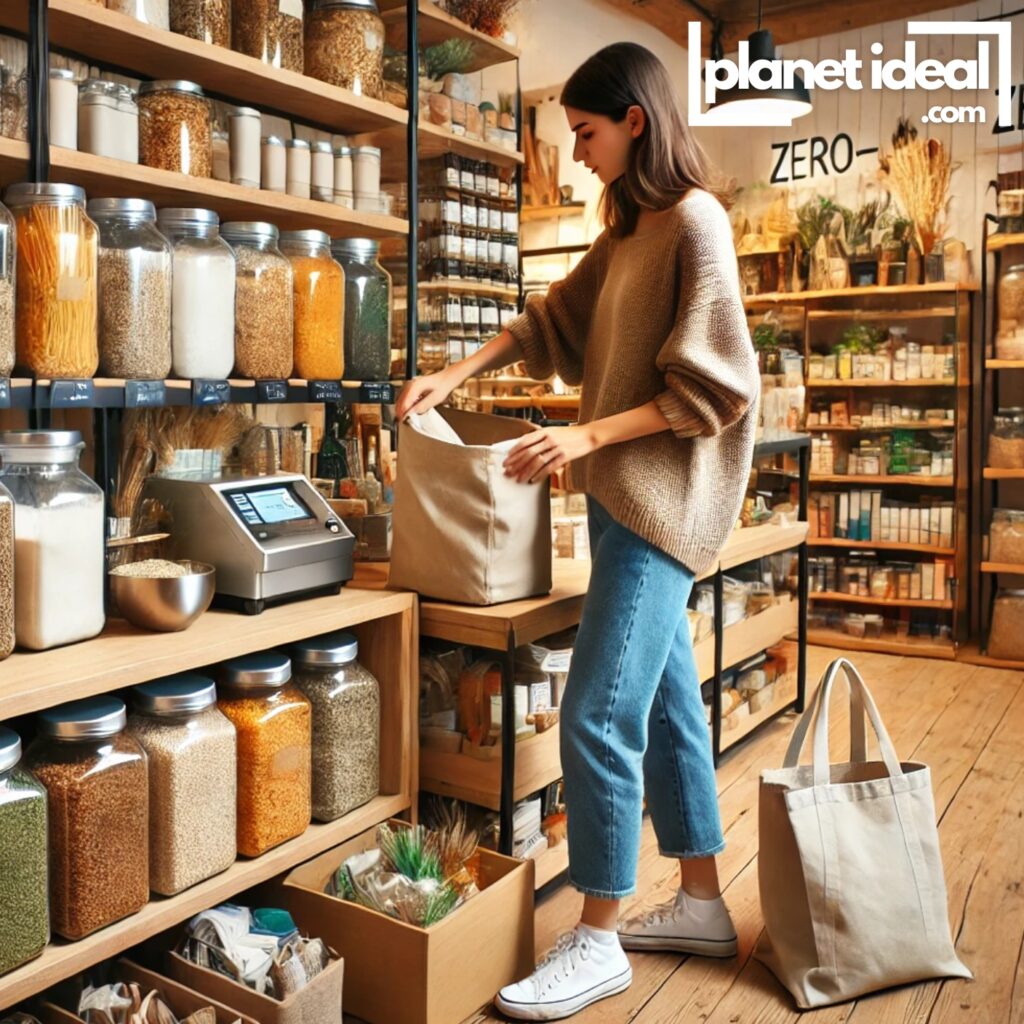
A shopper browsing eco-friendly products at a zero-waste store, filling jars and reusable containers.
Sustainable Living Basics

10 Simple Swaps to Make Your Life More Sustainable (And Save Money!)

Living sustainably doesn’t mean sacrificing comfort or breaking the bank. In fact, many eco-friendly changes not only help the planet but also save you money over time. By making simple swaps in your daily routine, you can reduce waste, conserve energy, and even cut down on expenses—all without a major lifestyle overhaul.

Here are 10 easy, practical swaps to start living a more sustainable (and cost-effective) life today.

A cozy bedroom featuring a weighted blanket, a lavender sachet on the pillow, and a steaming cup of herbal tea.
Personal Well-Being & Sustainability

10 Eco-Friendly Wellness Products You’ll Love (And Why They’re Good for You)

Incorporating eco-friendly products into your wellness routine isn’t just good for the planet—it’s also great for your health. From skincare to self-care, sustainable wellness products are made with natural materials, free of harmful chemicals, and designed with the environment in mind. Whether you’re a wellness enthusiast or just starting your journey, these products are here to help you feel good inside and out.

A rooftop solar installation team at work
Eco-Friendly Home, Green Tech & Innovation

How Solar Power Is Revolutionizing Homes in 2025

The world of solar power has come a long way, and in 2025, it’s no longer a niche choice—it’s a mainstream revolution. From cutting energy bills to reducing carbon footprints, solar energy has become the cornerstone of sustainable living. Today, homes equipped with solar panels and battery storage systems are at the forefront of the green energy revolution, redefining what it means to live sustainably.

A dramatic image of a melting glaciers
Sustainability News & Trends

What Environmental Advocates Are Saying About the Future of Our Planet

As the climate crisis intensifies, conversations about the future of our planet have become more urgent than ever. From rising sea levels to the push for renewable energy, environmental advocates are at the forefront, offering critical insights and solutions. Their voices carry hope, warning, and a call to action—urging governments, industries, and individuals to work together for a sustainable future.

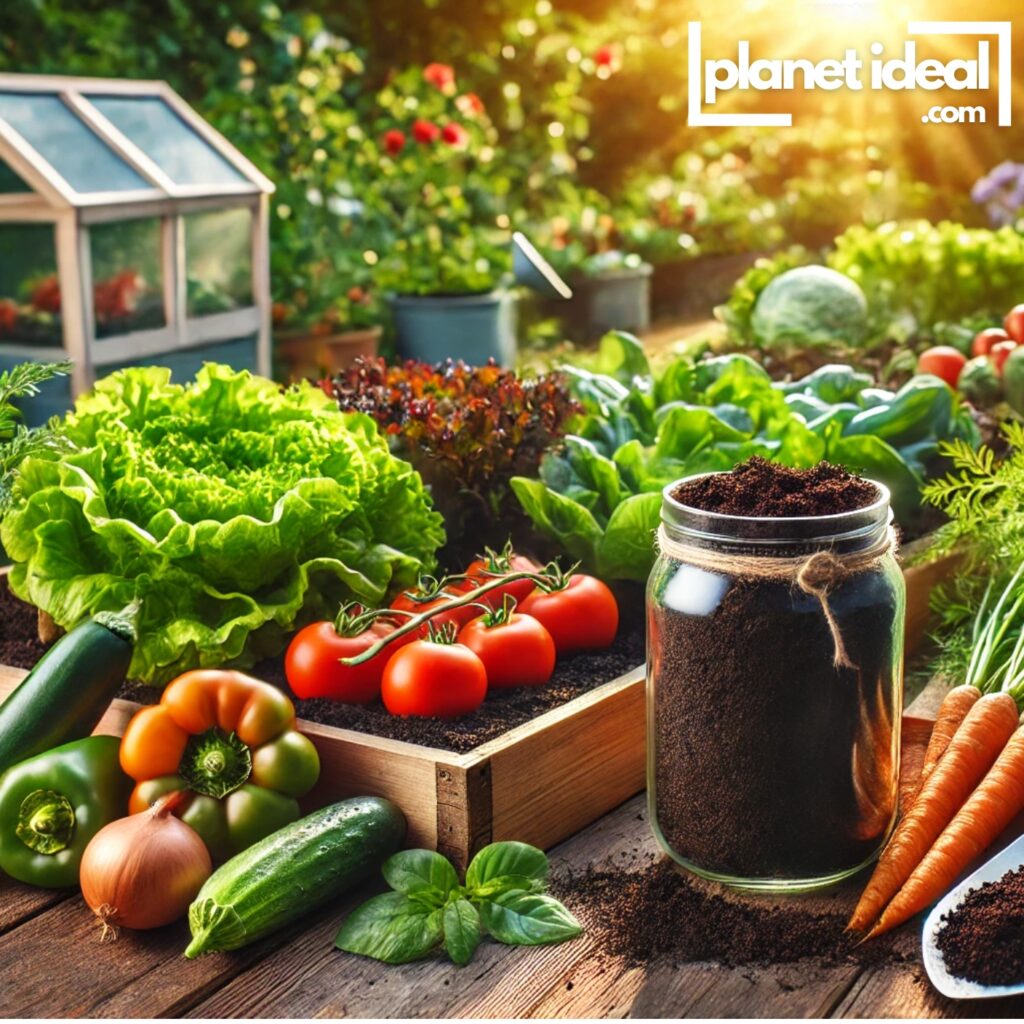
A garden filled with fresh produce alongside a jar of homemade compost, showing the cost-saving benefits of growing .
Sustainable Living Basics

Why Sustainable Living Isn’t Just a Trend 5 Reasons to Start Today

Sustainable living is more than just a buzzword—it’s a movement, a mindset, and a necessary response to the challenges our planet faces. While some may see it as a passing trend, the truth is that sustainable living is here to stay, and for good reason. Beyond benefiting the environment, it can also improve your health, save you money, and contribute to a brighter future for generations to come.

Green Tech & Innovation

Why Green Innovation Is the Key to Saving the Planet

When we think about saving the planet, recycling bins, solar panels, and reusable bags often come to mind. But the real game-changer in our fight against climate change and environmental degradation is green innovation. These groundbreaking technologies and ideas are reshaping industries, revolutionizing how we live, and offering sustainable solutions to some of the most pressing global challenges.

A serene image of someone walking through a lush forest trail, representing the calming benefits of connecting with nature.
Personal Well-Being & Sustainability

How Sustainable Living Can Improve Your Mental and Physical Health

We often think of sustainable living as being all about the planet—reducing waste, conserving resources, and cutting emissions. But have you ever stopped to consider how it might benefit you? From boosting your mental well-being to improving your physical health, sustainable living isn’t just good for the environment—it’s good for your body and mind, too.

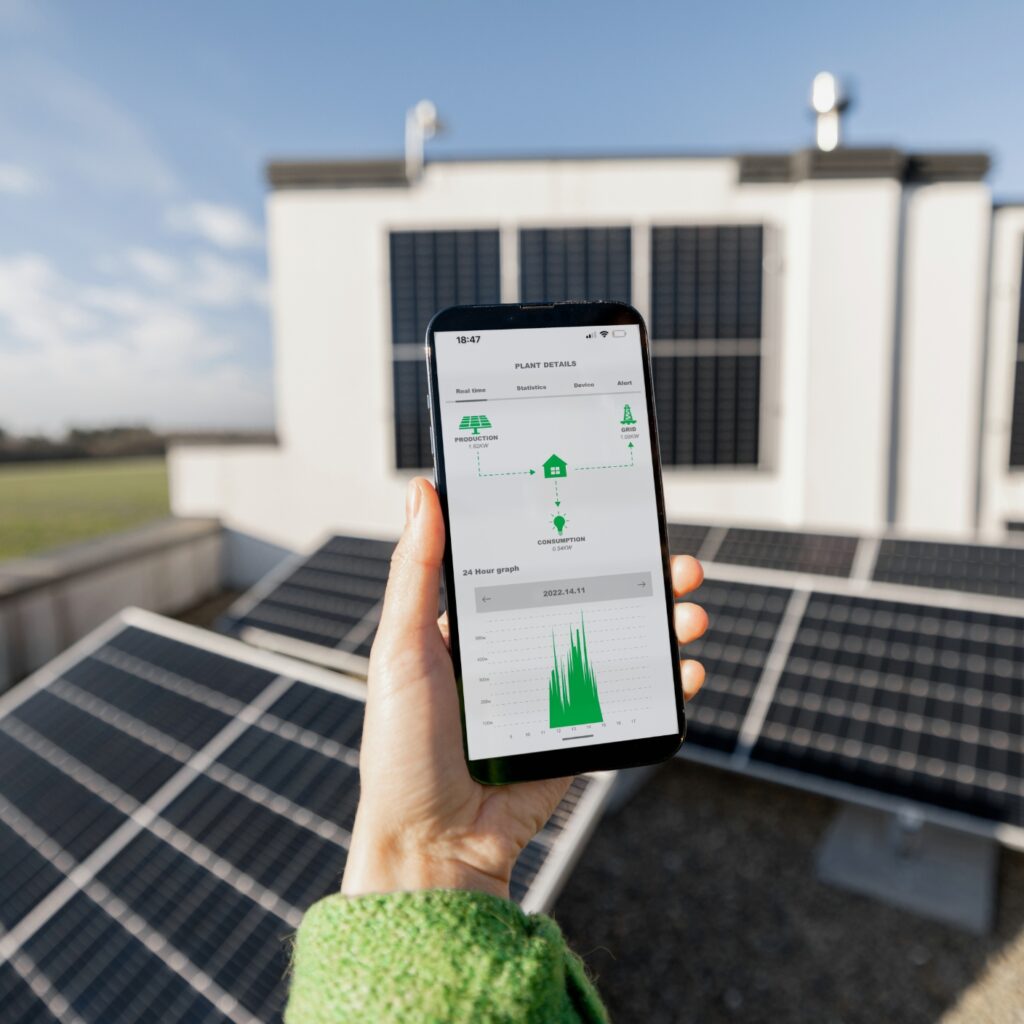
A homeowner using a smartphone app to monitor their solar energy production and usage.
Green Tech & Innovation

Why Green Innovation Is the Key to Saving the Planet

As the world grapples with climate change, resource depletion, and growing waste, one thing is clear: innovation will be at the heart of saving the planet. Green innovation—pioneering solutions that reduce environmental impact while promoting sustainability—is transforming industries, changing the way we live, and offering hope for a more eco-friendly future.

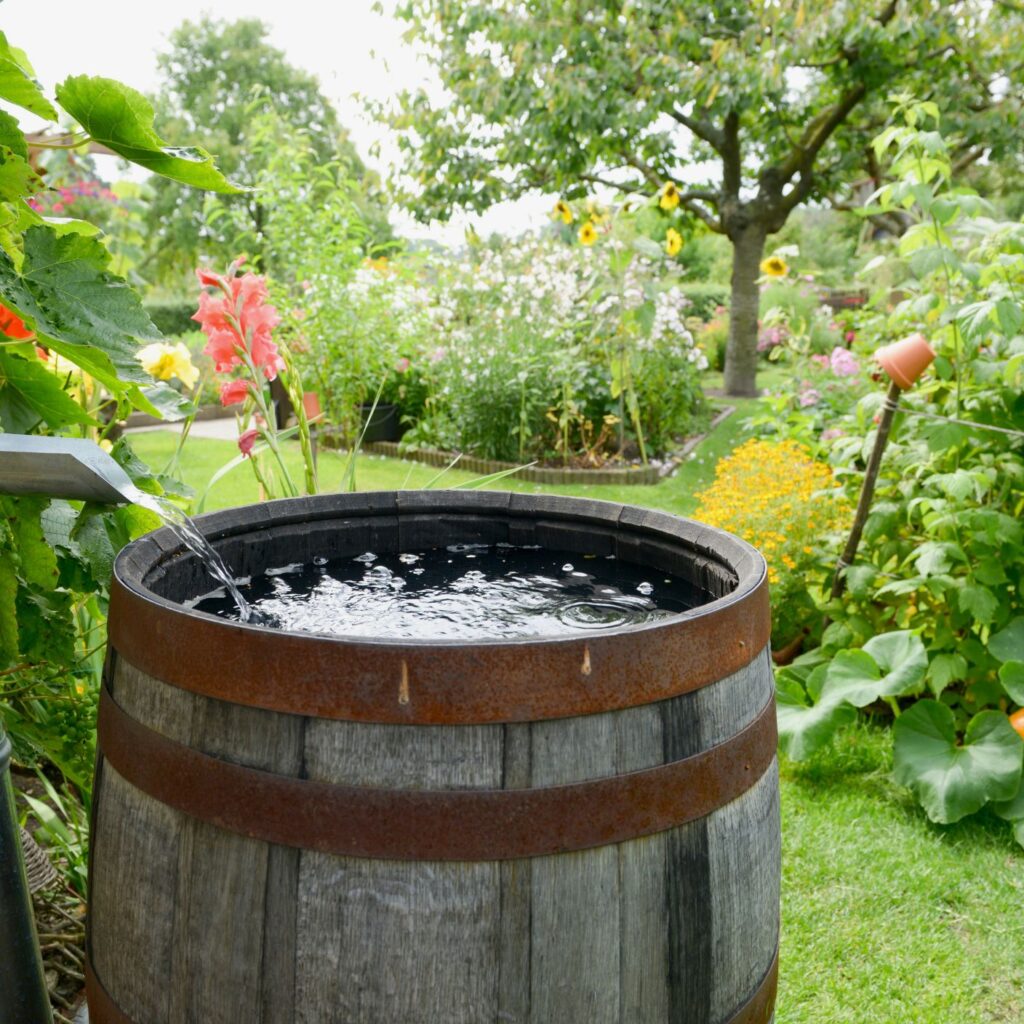
A lush backyard featuring native plants, a rainwater barrel, and mulch-covered flowerbeds
Eco-Friendly Home

7 Eco-Friendly Home Upgrades That Will Save You Money in the Long Run

When it comes to sustainability, your home is the perfect place to start. Incorporating eco-friendly upgrades not only benefits the environment but can also significantly lower your utility bills and long-term expenses. The good news? Many of these changes require minimal effort but deliver maximum impact. Here’s a detailed look at seven eco-friendly home upgrades that will save you money while creating a greener living space. 1. Switch to Energy-Efficient Appliances One of the easiest ways to make your home more sustainable is by upgrading to energy-efficient appliances. Why It’s Worth It Investment Payback While these appliances may have a higher upfront cost, the savings on energy bills typically cover the difference within a few years. 2. Install Solar Panels Solar panels are a powerhouse when it comes to eco-friendly upgrades, offering substantial savings over time. How Solar Panels Save You Money Long-Term Impact Although the initial installation cost is high, solar panels can pay for themselves within 5–10 years while continuing to provide free energy for decades. 3. Upgrade to LED Lighting Lighting is a small but impactful upgrade. Switching to LED bulbs is one of the simplest and most affordable ways to reduce energy use. Why LEDs are a Smart Choice Immediate Savings LEDs provide almost instant reductions in your electricity bills, making this a quick win for eco-friendly living. 4. Add a Smart Thermostat Smart thermostats are game-changers when it comes to energy efficiency. Benefits of a Smart Thermostat Why It’s Eco-Friendly By optimizing energy use, smart thermostats lower your home’s carbon footprint. 5. Insulate Your Home Proper insulation is essential for maintaining comfortable temperatures and reducing energy waste. Key Areas to Insulate Cost and Savings While insulation upgrades may cost a few thousand dollars, they can reduce heating and cooling bills by up to 20%. 6. Install Low-Flow Fixtures Water conservation is a critical component of sustainable living, and low-flow fixtures are an easy solution. Eco-Friendly Options How It Saves You Money Lower water usage means smaller water bills, and the reduced demand on water heaters saves energy. 7. Invest in Sustainable Landscaping Your yard can be a source of significant eco-friendly savings with thoughtful landscaping. Sustainable Landscaping Ideas Long-Term Benefits Eco-friendly landscaping reduces water bills and maintenance costs while boosting curb appeal. How to Get Started Implementing these eco-friendly upgrades doesn’t have to happen all at once. Start with smaller, more affordable changes, like switching to LED bulbs or installing a smart thermostat. Over time, you can tackle bigger projects like solar panels or insulation as your budget allows. The cumulative impact of these upgrades will not only save you money but also reduce your environmental footprint, creating a win-win for you and the planet.

A stark contrast between a landfill overflowing with plastic waste and a clean, green environment with plants and wildlife
Zero Waste Living

Zero Waste 101: How to Get Started and Why It’s Worth It

Adopting a zero waste lifestyle can feel overwhelming at first, but trust me—it’s more than worth it. Whether you’re motivated by the environment, the idea of saving money, or just looking for a simpler, cleaner lifestyle, zero waste living is a powerful choice that has the potential to make a massive difference. The best part? It doesn’t have to be all or nothing. Small, intentional changes can add up, and every step forward counts. In this post, we’ll walk through the basics of zero waste living, why it’s worth your time and effort, and give you simple, actionable steps to help you get started. What is Zero Waste Living? Zero waste living is about minimizing waste by rethinking how we consume, how we dispose of things, and how we approach sustainability in our everyday lives. It’s a philosophy that encourages us to reduce, reuse, recycle—and rethink our purchasing habits. The goal isn’t necessarily to produce zero waste (though that’s the ultimate aim), but to drastically cut down on the waste that ends up in landfills. Key principles of zero waste living include: Why Zero Waste is Worth It 1. Environmental Impact The environmental benefits of adopting a zero waste lifestyle are profound. By reducing our consumption, we help to reduce landfill waste, which in turn decreases the amount of toxic materials in the environment. Less waste in landfills also means fewer greenhouse gases released into the atmosphere. Additionally, reducing plastic consumption can significantly lower the plastic pollution in oceans and ecosystems. By making small choices, such as choosing reusable bags over plastic, you’re helping to cut down on the staggering amount of waste that is discarded daily. 2. Saving Money While some people think zero waste living is an expensive lifestyle, in reality, it can save you money in the long run. By opting for high-quality, durable items and avoiding disposable products, you’ll spend less on replacements. For example, a reusable water bottle may seem like an upfront cost, but it will save you money in the long term by preventing you from buying bottled water every day. Similarly, buying in bulk and avoiding single-use packaging can save a significant amount each month. Not only that, but zero waste living encourages mindful purchasing, meaning you buy less—and use what you have more wisely. 3. Healthier Lifestyle Zero waste living often goes hand-in-hand with a more mindful and intentional lifestyle. The shift away from processed, plastic-wrapped goods means you’re more likely to opt for whole foods and fresh produce. You’ll be making healthier food choices, preparing meals at home, and reducing your exposure to harmful chemicals often found in plastic containers and packaging. Additionally, switching to natural cleaning products and skincare items will help reduce your exposure to synthetic chemicals that can affect your health and the environment. How to Get Started with Zero Waste Living The beauty of zero waste living is that it’s an evolving journey. You don’t have to do everything at once, and it’s okay to take it slow. Here are some simple, practical steps you can start with: 1. Ditch the Single-Use Plastics One of the easiest places to begin is by eliminating single-use plastics from your daily routine. This includes items like plastic bags, water bottles, straws, and disposable cutlery. Instead, switch to reusable alternatives such as cloth bags, stainless steel straws, and bamboo utensils. 2. Start Composting Composting is a fantastic way to reduce the amount of food waste you send to the landfill while enriching your soil. You can compost fruit and vegetable scraps, coffee grounds, and even certain paper products. A simple composting bin in your backyard or even a worm bin can make a big difference in reducing food waste. 3. Buy in Bulk When you buy in bulk, you cut down on packaging waste and reduce the need for pre-packaged foods. You can bring your own containers to stores that offer bulk bins for grains, nuts, spices, and even cleaning supplies. It’s a simple way to make your purchases more eco-friendly while saving money. 4. Opt for Sustainable Clothing A huge source of waste comes from fast fashion. By buying fewer clothes, choosing second-hand, or investing in high-quality, durable pieces, you’ll significantly reduce your environmental impact. Plus, sustainable fabrics like organic cotton, hemp, and bamboo are better for both the planet and your skin. 5. Make Your Own Products DIY projects are a big part of zero waste living. From homemade cleaners to DIY deodorants and body scrubs, you can reduce packaging waste by making your own products with simple, natural ingredients. The Zero Waste Journey: It’s Not About Perfection, It’s About Progress It’s easy to feel overwhelmed when you first start your zero waste journey, but remember—it’s about progress, not perfection. Every small step you take towards reducing waste is a victory. Whether it’s switching to reusable bags or learning to compost, you’re making a positive impact. And by continuing to make sustainable choices, you’ll inspire others to do the same. Start small, stay motivated, and remember: the earth will thank you for every little change you make.

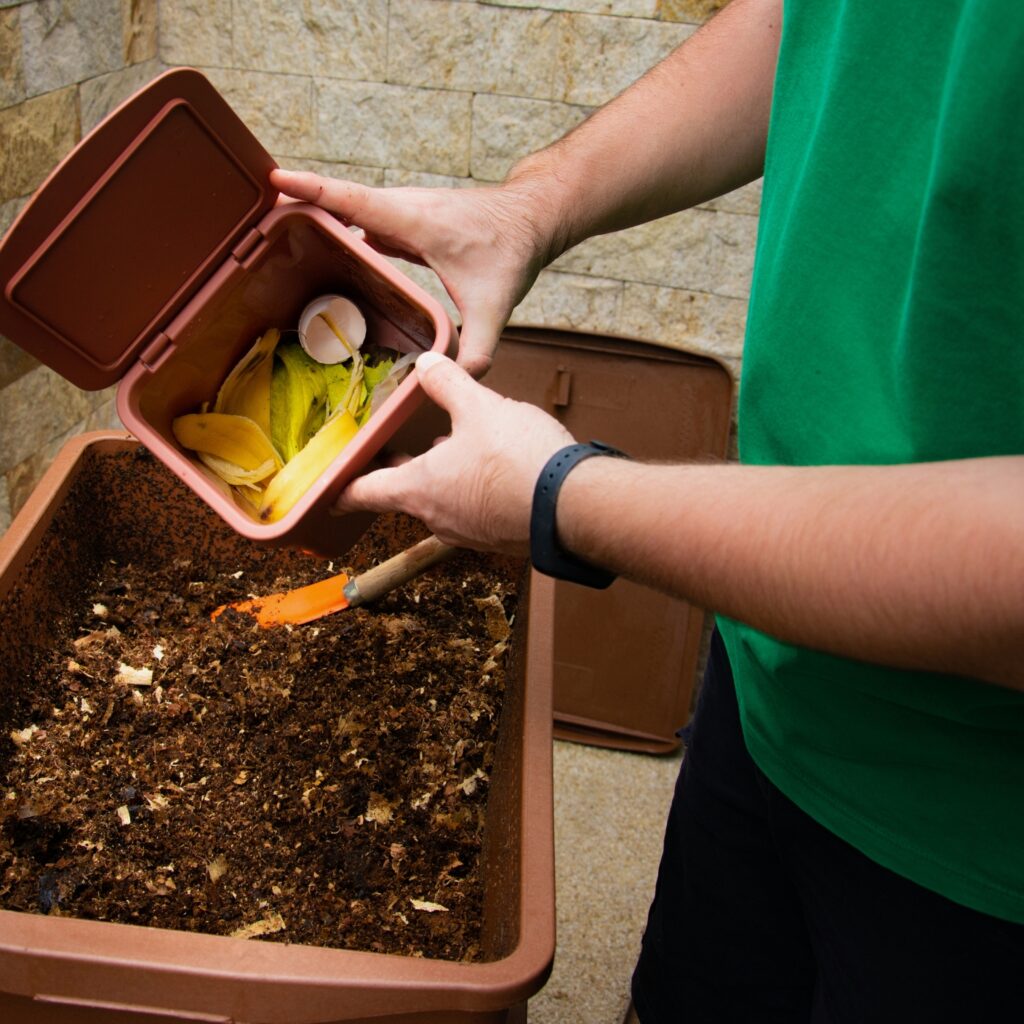
Compost Bin with Organic Waste
Zero Waste Living

Zero-Waste Hacks: Simple Changes for a Trash-Free Life

Hey, Sustainability Seekers! đŸŒ± Living a zero-waste lifestyle is one of the most impactful ways to reduce your environmental footprint. But where do you start? The idea of completely eliminating waste can feel overwhelming, but I promise—small changes add up! In today’s post, I’ll share easy zero-waste hacks that can help you drastically reduce your household waste, without making drastic changes to your routine. From swapping out single-use plastics to rethinking your packaging choices, these tips will help you live a more eco-conscious, trash-free life, one step at a time. Let’s get started with some practical, sustainable swaps! 1. Ditch Single-Use Plastic Bags: Bring Your Own Reusable Bags 👜 One of the easiest ways to cut down on waste is to stop using plastic bags. Whether you’re at the grocery store or picking up takeout, those flimsy plastic bags often end up in landfills (or worse, in our oceans). 2. Switch to Bar Soap and Shampoo Bars đŸ§Œ We’ve all used liquid soap and shampoo bottles for years, but they’re usually made of plastic and often end up being tossed after a few uses. Opting for bar soap and shampoo bars is a great way to reduce plastic waste while still keeping your skin and hair clean and fresh. 3. Say Goodbye to Paper Towels: Use Cloth Napkins and Towels Instead đŸ§ș Paper towels might be convenient, but they are also one of the biggest culprits in single-use waste. A household can easily go through rolls of paper towels every month, which adds up quickly. 4. Refill Your Products: Avoid Disposable Bottles 💧 From hand soap to cleaning products, many common household products come in disposable plastic bottles. This single-use plastic can be easily avoided by refilling your products at local refill stations or using reusable containers. 5. Embrace Composting: Turn Food Scraps Into Nutrient-Rich Soil 🌿 Did you know that food waste is one of the largest contributors to landfill mass? Instead of throwing away your fruit and vegetable scraps, try composting them to create nutrient-rich soil for your garden. 6. Invest in Reusable Coffee Cups and Straws ☕đŸč If you’re a coffee lover, you’ve probably used disposable coffee cups with plastic lids and straws more times than you can count. While convenient, they contribute to a huge amount of waste. Thankfully, the zero-waste solution is simple! 7. Go Paperless: Digital Alternatives to Reduce Paper Waste đŸ’» In the digital age, there’s no need to use paper for everything. From bills to notes, you can easily reduce paper waste by opting for digital alternatives. Set your phone or computer to go paperless for things like: 8. Shop in Bulk: Reduce Packaging Waste 🛒 Buying items in bulk is not only more cost-effective, but it also helps reduce unnecessary packaging waste. Many grocery stores now offer bulk bins for dry goods like grains, nuts, and spices, where you can fill your own containers. Ready to Start Your Zero-Waste Journey? đŸŒ± Switching to a zero-waste lifestyle doesn’t happen overnight, but with these simple hacks, you can start making a difference today. The key is to start small—every little change counts! I’d love to hear your zero-waste tips and tricks! Drop your ideas in the comments below or share them on social media with #PlanetIdeal. And don’t forget to subscribe to our newsletter for more practical tips on living sustainably.

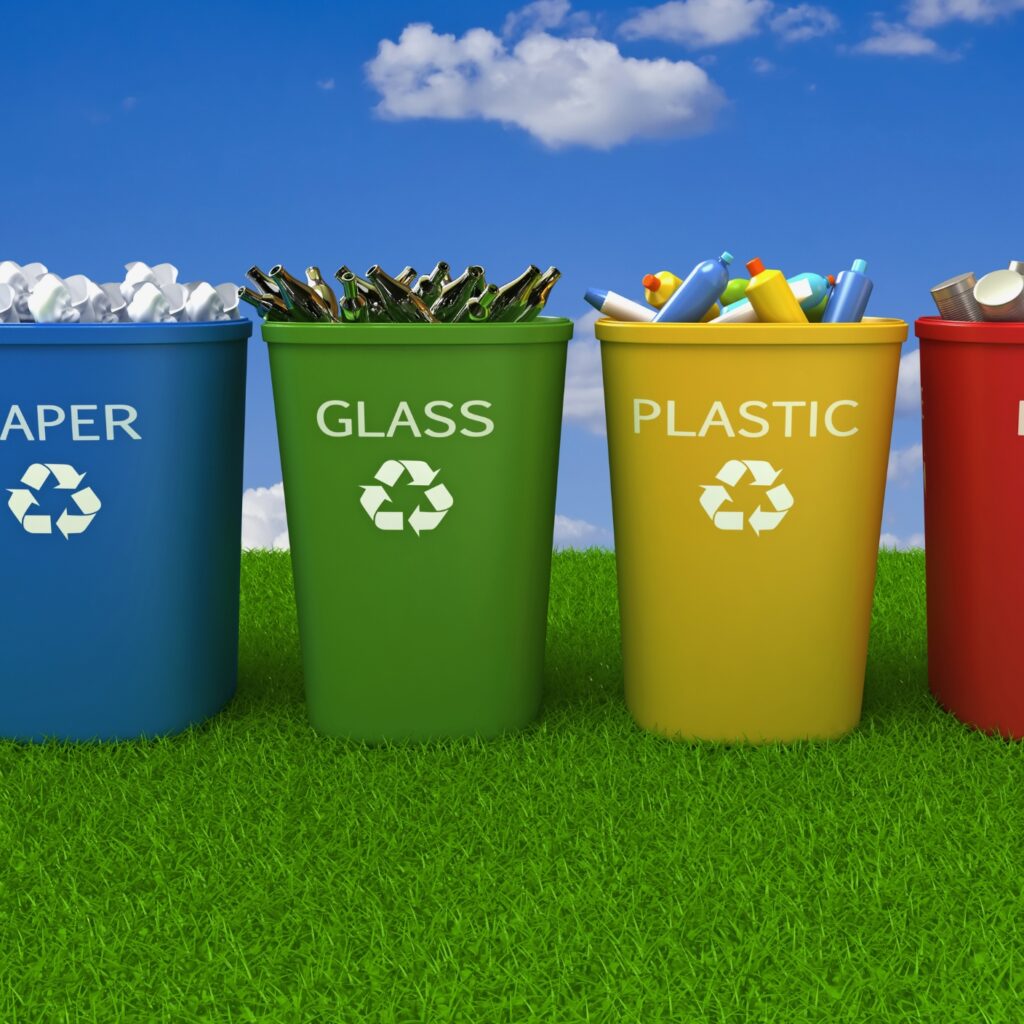
Recycling Bins filled with clean recyclables Plastic Bottles Paper Cans
Sustainable Living Basics, Zero Waste Living

The Truth About Recycling: What You Need to Know

Hey Eco-Warriors! đŸŒ± We’ve all heard it: “Recycle! It’s good for the planet!” But how many of us truly understand what happens to our recyclables after we toss them in the blue bin? Does recycling really make a difference? And are we recycling the right way? Recycling is often touted as one of the simplest ways to reduce waste and help the environment, but there’s a lot of confusion surrounding the process. Today, we’re going to take a deep dive into the world of recycling—what works, what doesn’t, and how you can make sure your efforts are actually helping the planet. By the end of this post, you’ll be a recycling pro, equipped with the knowledge to make your recycling practices more effective and impactful. Let’s get started! 1. Not All Plastic Is Created Equal đŸ›ïž When you think of recycling, you probably think of plastic bottles, but did you know that not all plastics can be recycled? Plastics are categorized into seven types, and while some can be recycled, others are much harder to process. 2. Recycling Contamination: What You Need to Know đŸ§Œ One of the biggest problems in recycling is contamination—when non-recyclable materials are mixed with recyclables. For example, food waste or plastic bags in your recycling bin can contaminate the entire load, making it impossible to recycle properly. Here’s how you can reduce contamination: 3. Paper Recycling: Not as Simple as It Seems 📄 You might think paper is easy to recycle—after all, it’s made from trees, right? But the reality is a bit more complicated. While paper is recyclable, it can only be recycled a certain number of times. Over time, the fibers break down, and the paper becomes unusable. 4. The Dirty Truth About E-Waste đŸ’»âšĄ E-waste (electronic waste) is one of the fastest-growing waste categories in the world. From phones to laptops, old electronics often end up in landfills, where they can leak toxic chemicals into the environment. The good news? E-waste is recyclable—but it requires specialized facilities to properly process electronic components. Many e-waste items contain precious metals like gold and copper, which can be recovered and reused. What you can do: 5. Composting: A Simple Way to Reduce Waste đŸŒ± Did you know that food waste is one of the largest contributors to landfill mass? When food waste is sent to landfills, it decomposes without oxygen, producing methane—a potent greenhouse gas. But you can help reduce this by composting organic waste. Composting allows you to turn food scraps and yard waste into nutrient-rich soil that can be used in gardens. Even if you don’t have a garden, composting helps divert waste from landfills and reduces your carbon footprint. 6. How to Find a Recycling Center Near You đŸ—ș If you’re not sure where to recycle certain items, you can find local recycling centers using resources like Earth911 or your local waste management website. These tools allow you to search for specific items, such as batteries or plastic bags, and find out where they can be recycled. Some items might even have specialized recycling programs, like textiles, batteries, and light bulbs. Make sure you know what’s accepted in your community. Let’s Make Recycling Count! 🌎 Recycling is an essential part of creating a more sustainable world, but it’s only effective if done correctly. By understanding what can and can’t be recycled, reducing contamination, and taking special care with e-waste and food scraps, you can make a real difference in the health of our planet. Together, we can work towards a cleaner, greener future—one recyclable item at a time! How Do You Recycle? ♻What are your best tips for recycling effectively? Share your thoughts in the comments below or tag us on social media with #PlanetIdeal. And don’t forget to subscribe to our newsletter for more eco-conscious living tips.

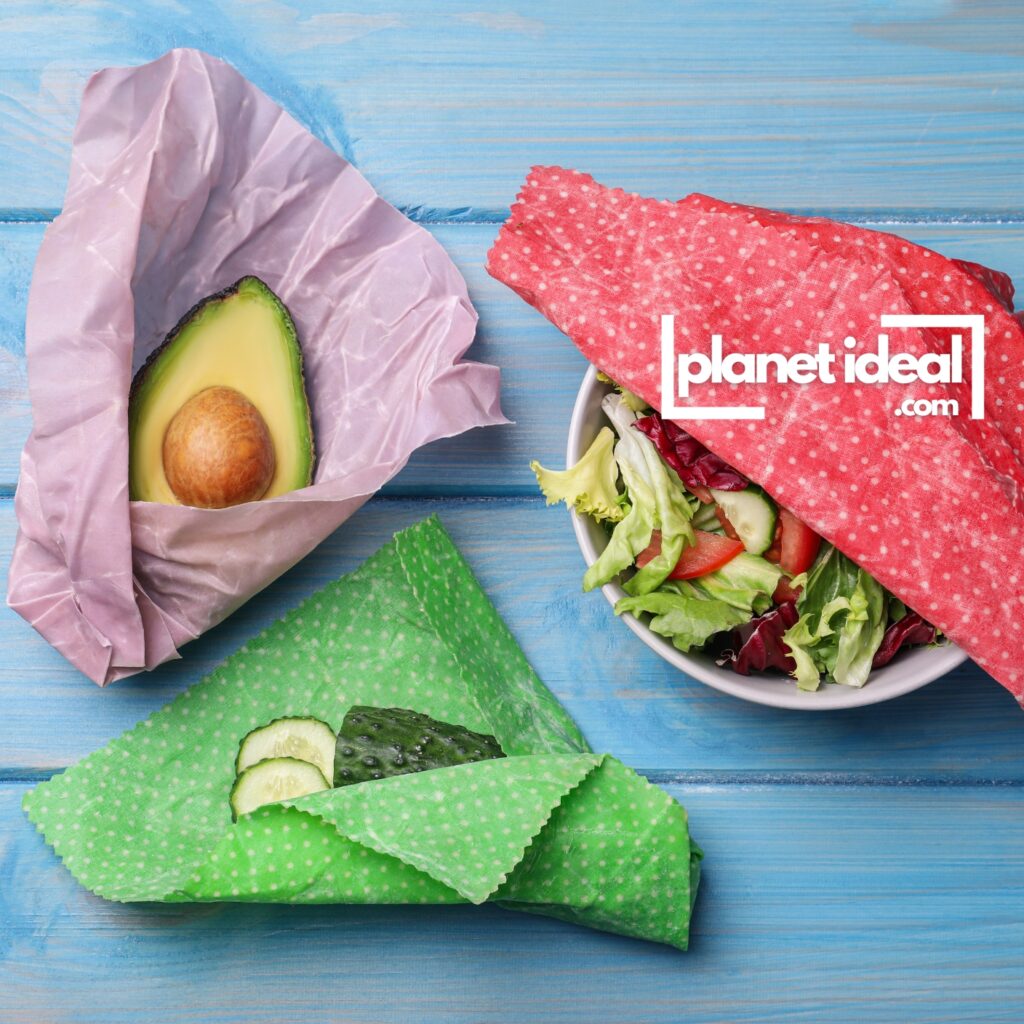
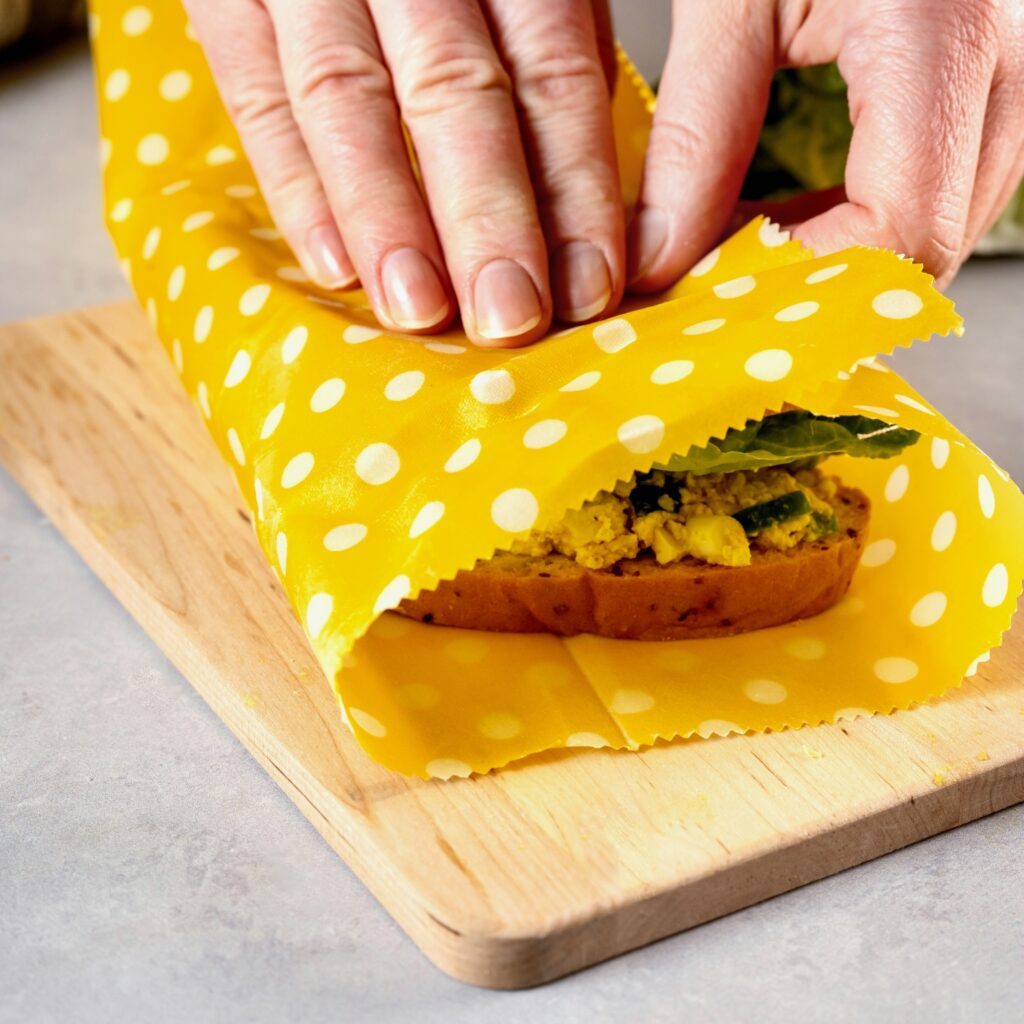
Colorful beeswax wrap covering sandwich
Zero Waste Living

Zero Waste Hacks: Simple Ways to Cut Down on Waste in Your Everyday Life

Hey, Eco-Friends! 🌿 Living a zero-waste lifestyle might sound intimidating at first, but the truth is, it doesn’t have to be an all-or-nothing approach. Even small, simple changes can make a big difference. The good news is, you don’t need to overhaul your life overnight. By making a few eco-friendly swaps here and there, you can reduce your environmental footprint while still living a practical, beautiful life. Today, we’re diving into zero-waste hacks that you can implement in your everyday routine to help cut down on waste. Whether you’re just getting started or have been on this journey for a while, these tips will show you how easy it can be to reduce waste—without sacrificing convenience! Let’s get started with these simple and effective ideas that will make your life greener and more sustainable. 1. Ditch Single-Use Plastic Bags for Reusable Totes đŸ›ïž One of the easiest swaps you can make is replacing plastic bags with reusable ones. We’ve all been guilty of forgetting our bags when we’re out grocery shopping, but keeping a few in your car or purse can help eliminate this habit. Plus, reusable bags are sturdy, stylish, and can be used for a variety of purposes. 2. Say Goodbye to Paper Towels with Cloth Alternatives đŸœïž If you’ve ever noticed how quickly paper towels pile up in your trash, you’ll know that this common household item contributes significantly to waste. Swap them out for reusable cloth napkins, dish towels, or even old t-shirts cut into rags. These alternatives are washable and can be used over and over again. Fun fact: A family of four can save about $80 per year just by switching to cloth napkins instead of paper ones! 3. Skip the Single-Use Water Bottles 💧 Plastic water bottles are one of the most pervasive sources of waste today, but it’s easy to make the switch. Grab a high-quality, reusable water bottle that you can take everywhere. Stainless steel bottles are great for keeping your drinks cool or hot, and they’ll save you money in the long run. Did you know? If every person in the U.S. refilled just one plastic bottle per week, we’d save over 1.5 billion bottles each year! 4. Use Bar Soap and Shampoo Bars Instead of Bottled Products đŸ§Œ Plastic bottles take forever to decompose, so switching to bar soap and shampoo bars is a great zero-waste swap. These bars come in eco-friendly packaging or none at all, and they’re compact, long-lasting, and easy to carry when traveling. Plus, they’re often made with natural, non-toxic ingredients! 5. Choose Paperless Options for Bills and Subscriptions đŸ’» This one is a simple digital hack! Rather than receiving paper bills and subscriptions in the mail, opt for electronic statements and notifications. Most companies offer paperless billing options, and it’s one less thing you’ll need to recycle or dispose of. 6. Use Beeswax Wraps Instead of Plastic Wrap 🍯 Plastic wrap is convenient but incredibly wasteful. Swap it out for reusable beeswax wraps that can cover your food, seal containers, or even wrap up sandwiches. Beeswax wraps are reusable, washable, and biodegradable, making them a perfect eco-friendly alternative. 7. Buy in Bulk to Reduce Packaging Waste 🛒 Purchasing products in bulk can significantly reduce packaging waste. Items like grains, nuts, and even household cleaners often come in large containers, which can be more eco-friendly than buying multiple smaller packages. Bring your own reusable containers to the store, and you’ll be able to purchase exactly what you need with minimal waste. Let’s Make Zero Waste the Norm 🌎 Living a zero-waste lifestyle doesn’t require perfection, but every little change you make adds up to a big impact. These simple hacks are easy to integrate into your daily routine and can help reduce the amount of waste you generate. Whether you’re just starting out or have been on the zero-waste journey for a while, it’s about progress, not perfection. Let’s Hear From You! 📱What’s your favorite zero-waste hack? Are there any tips or tricks you’ve found particularly helpful on your journey? Let us know in the comments below or tag us on social media with #PlanetIdeal. If you’re ready to dive deeper into sustainable living, don’t forget to subscribe to our newsletter for weekly tips, exclusive content, and more!

The name reflects our vision: a planet where every choice we make is an ideal one—ideal for our health, ideal for the environment, and ideal for future generations.

© 2024 PlanetIdeal.comÂ

Contacts

Email : info@planetideal.com

Established after the : 
2011 United Nations Climate Change Conference
[ COP17 Summit 2011, in Durban, KZN, ZA ]

Registered Address : 
PO Box 55556, Durmail, 4003
Durban, KZN, ZA

CLIMATE CLOCK

1.5 degrees Warning Countdown

Day
Hr
Min
Sec

Join Our Community and Get a Tips and Freebies on how you can help to stop the Climate Change Clock

No thanks I don't care about the Environment
Scroll to Top