waste reduction

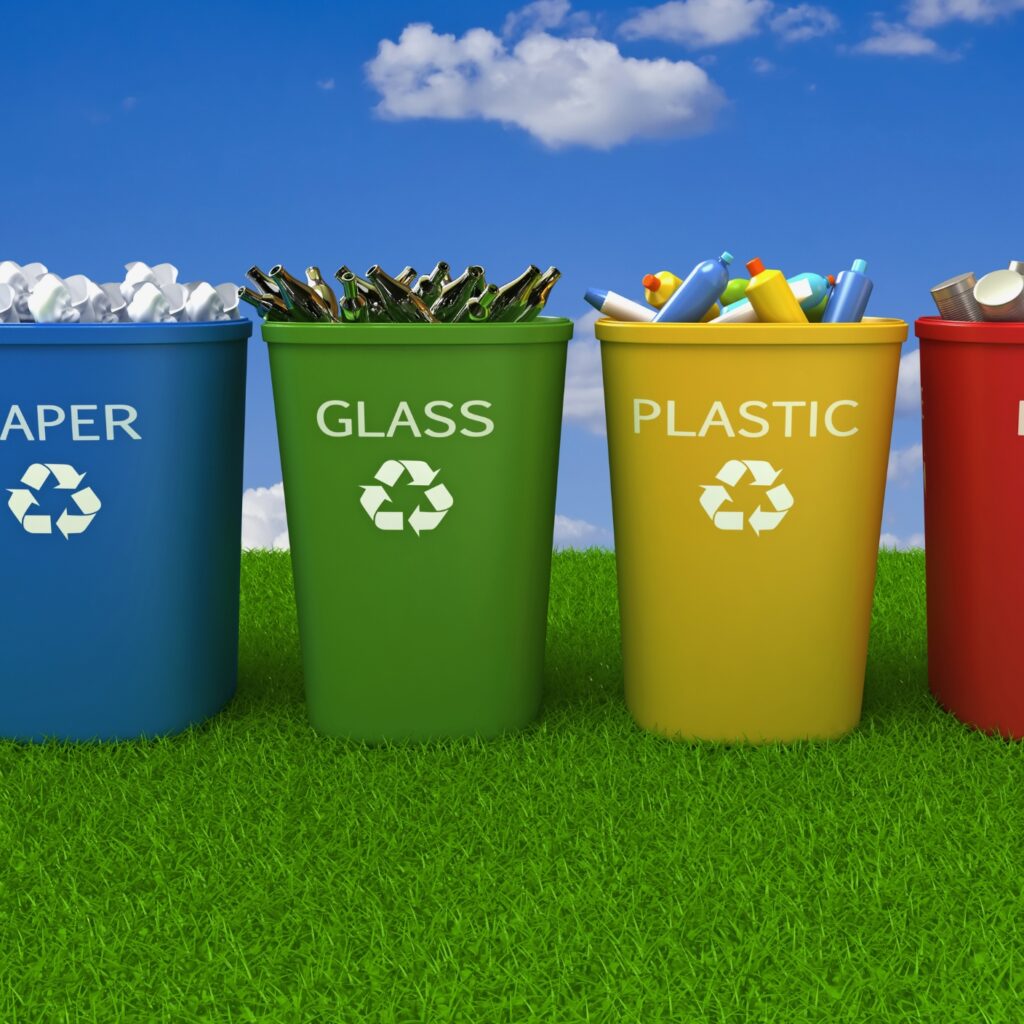
Recycling Bins filled with clean recyclables Plastic Bottles Paper Cans
Sustainable Living Basics, Zero Waste Living

The Truth About Recycling: What You Need to Know

Hey Eco-Warriors! 🌱 We’ve all heard it: “Recycle! It’s good for the planet!” But how many of us truly understand what happens to our recyclables after we toss them in the blue bin? Does recycling really make a difference? And are we recycling the right way? Recycling is often touted as one of the simplest ways to reduce waste and help the environment, but there’s a lot of confusion surrounding the process. Today, we’re going to take a deep dive into the world of recycling—what works, what doesn’t, and how you can make sure your efforts are actually helping the planet. By the end of this post, you’ll be a recycling pro, equipped with the knowledge to make your recycling practices more effective and impactful. Let’s get started! 1. Not All Plastic Is Created Equal 🛍️ When you think of recycling, you probably think of plastic bottles, but did you know that not all plastics can be recycled? Plastics are categorized into seven types, and while some can be recycled, others are much harder to process. 2. Recycling Contamination: What You Need to Know 🧼 One of the biggest problems in recycling is contamination—when non-recyclable materials are mixed with recyclables. For example, food waste or plastic bags in your recycling bin can contaminate the entire load, making it impossible to recycle properly. Here’s how you can reduce contamination: 3. Paper Recycling: Not as Simple as It Seems 📄 You might think paper is easy to recycle—after all, it’s made from trees, right? But the reality is a bit more complicated. While paper is recyclable, it can only be recycled a certain number of times. Over time, the fibers break down, and the paper becomes unusable. 4. The Dirty Truth About E-Waste 💻⚡ E-waste (electronic waste) is one of the fastest-growing waste categories in the world. From phones to laptops, old electronics often end up in landfills, where they can leak toxic chemicals into the environment. The good news? E-waste is recyclable—but it requires specialized facilities to properly process electronic components. Many e-waste items contain precious metals like gold and copper, which can be recovered and reused. What you can do: 5. Composting: A Simple Way to Reduce Waste 🌱 Did you know that food waste is one of the largest contributors to landfill mass? When food waste is sent to landfills, it decomposes without oxygen, producing methane—a potent greenhouse gas. But you can help reduce this by composting organic waste. Composting allows you to turn food scraps and yard waste into nutrient-rich soil that can be used in gardens. Even if you don’t have a garden, composting helps divert waste from landfills and reduces your carbon footprint. 6. How to Find a Recycling Center Near You 🗺️ If you’re not sure where to recycle certain items, you can find local recycling centers using resources like Earth911 or your local waste management website. These tools allow you to search for specific items, such as batteries or plastic bags, and find out where they can be recycled. Some items might even have specialized recycling programs, like textiles, batteries, and light bulbs. Make sure you know what’s accepted in your community. Let’s Make Recycling Count! 🌎 Recycling is an essential part of creating a more sustainable world, but it’s only effective if done correctly. By understanding what can and can’t be recycled, reducing contamination, and taking special care with e-waste and food scraps, you can make a real difference in the health of our planet. Together, we can work towards a cleaner, greener future—one recyclable item at a time! How Do You Recycle? ♻️What are your best tips for recycling effectively? Share your thoughts in the comments below or tag us on social media with #PlanetIdeal. And don’t forget to subscribe to our newsletter for more eco-conscious living tips.
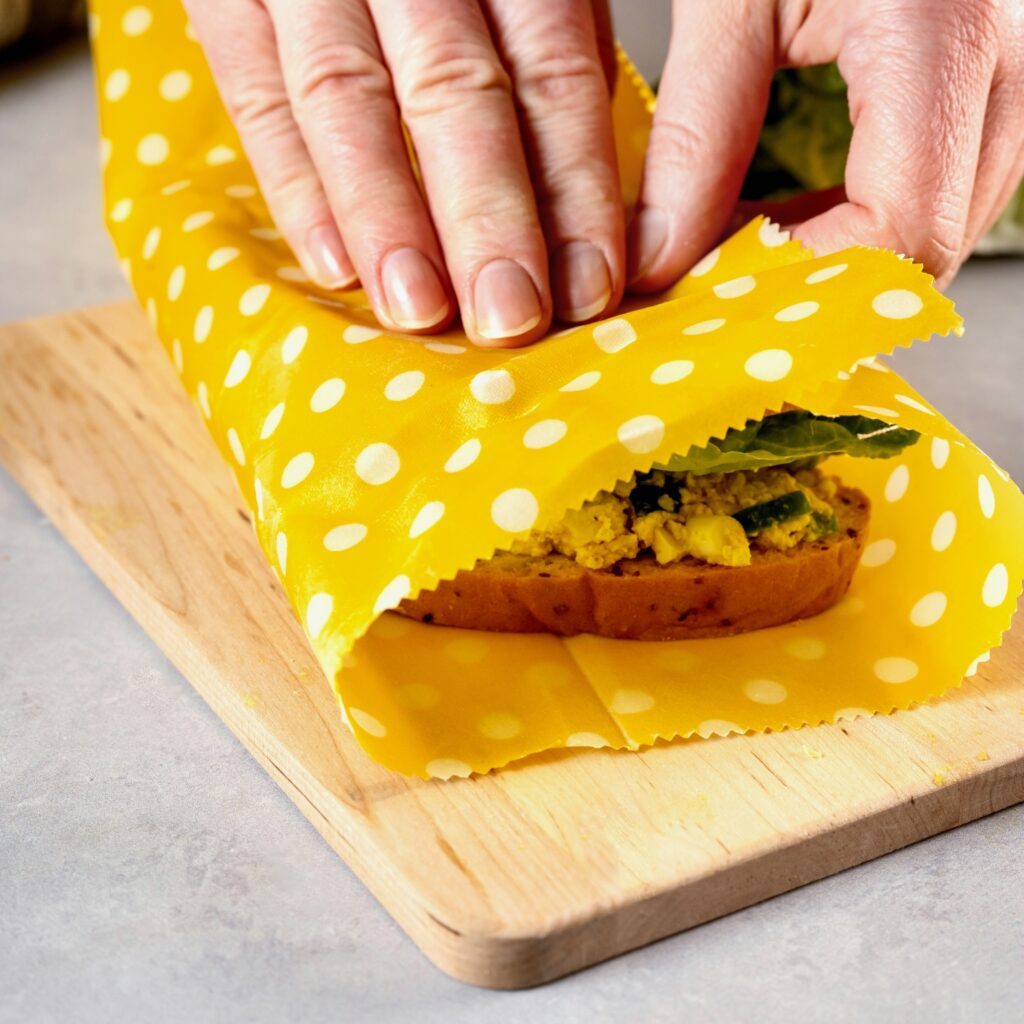
Colorful beeswax wrap covering sandwich
Zero Waste Living

Zero Waste Hacks: Simple Ways to Cut Down on Waste in Your Everyday Life

Hey, Eco-Friends! 🌿 Living a zero-waste lifestyle might sound intimidating at first, but the truth is, it doesn’t have to be an all-or-nothing approach. Even small, simple changes can make a big difference. The good news is, you don’t need to overhaul your life overnight. By making a few eco-friendly swaps here and there, you can reduce your environmental footprint while still living a practical, beautiful life. Today, we’re diving into zero-waste hacks that you can implement in your everyday routine to help cut down on waste. Whether you’re just getting started or have been on this journey for a while, these tips will show you how easy it can be to reduce waste—without sacrificing convenience! Let’s get started with these simple and effective ideas that will make your life greener and more sustainable. 1. Ditch Single-Use Plastic Bags for Reusable Totes 🛍️ One of the easiest swaps you can make is replacing plastic bags with reusable ones. We’ve all been guilty of forgetting our bags when we’re out grocery shopping, but keeping a few in your car or purse can help eliminate this habit. Plus, reusable bags are sturdy, stylish, and can be used for a variety of purposes. 2. Say Goodbye to Paper Towels with Cloth Alternatives 🍽️ If you’ve ever noticed how quickly paper towels pile up in your trash, you’ll know that this common household item contributes significantly to waste. Swap them out for reusable cloth napkins, dish towels, or even old t-shirts cut into rags. These alternatives are washable and can be used over and over again. Fun fact: A family of four can save about $80 per year just by switching to cloth napkins instead of paper ones! 3. Skip the Single-Use Water Bottles đź’§ Plastic water bottles are one of the most pervasive sources of waste today, but it’s easy to make the switch. Grab a high-quality, reusable water bottle that you can take everywhere. Stainless steel bottles are great for keeping your drinks cool or hot, and they’ll save you money in the long run. Did you know? If every person in the U.S. refilled just one plastic bottle per week, we’d save over 1.5 billion bottles each year! 4. Use Bar Soap and Shampoo Bars Instead of Bottled Products đź§Ľ Plastic bottles take forever to decompose, so switching to bar soap and shampoo bars is a great zero-waste swap. These bars come in eco-friendly packaging or none at all, and they’re compact, long-lasting, and easy to carry when traveling. Plus, they’re often made with natural, non-toxic ingredients! 5. Choose Paperless Options for Bills and Subscriptions đź’» This one is a simple digital hack! Rather than receiving paper bills and subscriptions in the mail, opt for electronic statements and notifications. Most companies offer paperless billing options, and it’s one less thing you’ll need to recycle or dispose of. 6. Use Beeswax Wraps Instead of Plastic Wrap 🍯 Plastic wrap is convenient but incredibly wasteful. Swap it out for reusable beeswax wraps that can cover your food, seal containers, or even wrap up sandwiches. Beeswax wraps are reusable, washable, and biodegradable, making them a perfect eco-friendly alternative. 7. Buy in Bulk to Reduce Packaging Waste đź›’ Purchasing products in bulk can significantly reduce packaging waste. Items like grains, nuts, and even household cleaners often come in large containers, which can be more eco-friendly than buying multiple smaller packages. Bring your own reusable containers to the store, and you’ll be able to purchase exactly what you need with minimal waste. Let’s Make Zero Waste the Norm 🌎 Living a zero-waste lifestyle doesn’t require perfection, but every little change you make adds up to a big impact. These simple hacks are easy to integrate into your daily routine and can help reduce the amount of waste you generate. Whether you’re just starting out or have been on the zero-waste journey for a while, it’s about progress, not perfection. Let’s Hear From You! 📢What’s your favorite zero-waste hack? Are there any tips or tricks you’ve found particularly helpful on your journey? Let us know in the comments below or tag us on social media with #PlanetIdeal. If you’re ready to dive deeper into sustainable living, don’t forget to subscribe to our newsletter for weekly tips, exclusive content, and more!

The name reflects our vision: a planet where every choice we make is an ideal one—ideal for our health, ideal for the environment, and ideal for future generations.

© 2024 PlanetIdeal.comÂ

Contacts

Email : info@planetideal.com

Established after the : 
2011 United Nations Climate Change Conference
[ COP17 Summit 2011, in Durban, KZN, ZA ]

Registered Address : 
PO Box 55556, Durmail, 4003
Durban, KZN, ZA

CLIMATE CLOCK

1.5 degrees Warning Countdown

Day
Hr
Min
Sec

Join Our Community and Get a Tips and Freebies on how you can help to stop the Climate Change Clock

No thanks I don't care about the Environment
Scroll to Top