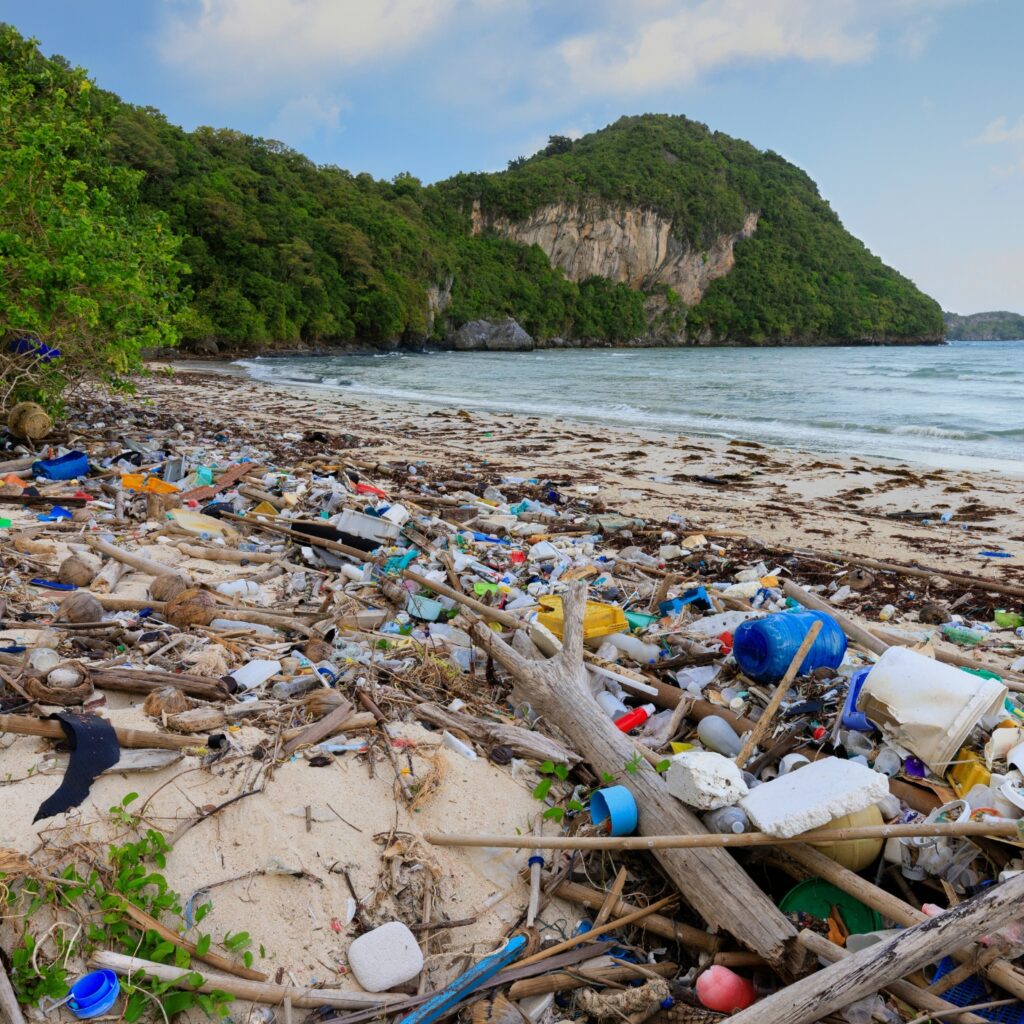
In a world drowning in disposable plastics, the need to reduce single-use plastics is more urgent than ever. From straws and bags to cups and packaging, these items are wreaking havoc on our environment—and it’s time we take a stand. Transitioning to a waste-free lifestyle might seem daunting, but with the right steps, it’s entirely achievable. Let’s explore how you can ditch single-use plastics, embrace zero waste, and make a lasting impact on the planet. Why Single-Use Plastics Must Go Single-use plastics are designed for convenience, but their environmental cost is devastating: The solution? Eliminate single-use plastics from our lives and embrace sustainable alternatives. How to Identify Single-Use Plastics in Your Life Start by taking stock of your daily habits. Common culprits include: Once you know where plastic sneaks into your life, you can plan effective alternatives. 5 Simple Swaps to Eliminate Single-Use Plastics 1. Switch to Reusable Bags Carry cloth or tote bags for groceries and errands. Many stores even offer discounts for bringing your own bags. 2. Opt for a Reusable Water Bottle Plastic water bottles are among the top pollutants. Invest in a stainless steel or glass water bottle. 3. Carry Reusable Utensils and Straws Ditch plastic forks, spoons, and straws. Portable utensil kits and stainless-steel or bamboo straws are excellent options. 4. Embrace Plastic-Free Food Storage Replace cling wrap and plastic containers with: 5. Choose Bulk and Refill Options Buy groceries in bulk and refill items like shampoo, detergent, and cleaning supplies at zero-waste stores. The Bigger Picture: Advocating for Change While individual actions matter, systemic change is essential to combat the plastic crisis. Here’s how you can contribute: Why Zero Waste is Worth It Living waste-free may take effort, but the benefits are immense: Take the First Step Today Start small, stay consistent, and watch as your zero-waste journey transforms your life. By reducing single-use plastics, you’re not just creating a cleaner home—you’re shaping a better future for generations to come. We’d love to hear about your journey! Share your zero-waste tips and successes with us on social media using #PlasticFreeLiving and tag us to inspire others.