The fashion industry is undergoing a much-needed transformation, with eco-friendly fabrics leading the charge. These materials are not only better for the planet but also bring comfort, durability, and style to the forefront. Whether you’re shopping for clothes, home textiles, or DIY projects, understanding sustainable fabrics can help you make smarter, greener choices.
In this guide, we’ll explore some of the best eco-friendly fabrics, their benefits, and where you can find them. Let’s dive into the world of sustainable textiles and discover how to make eco-conscious purchases without compromising on quality or aesthetics.
1. Why Eco-Friendly Fabrics Matter
Conventional textiles often come with a hefty environmental price tag. From excessive water use to toxic chemicals, the production of many popular fabrics harms ecosystems and communities. By choosing eco-friendly fabrics, you’re supporting a cleaner, more ethical industry.
The Environmental Impact of Traditional Fabrics:
| Fabric | Environmental Concern |
|---|---|
| Polyester | Made from petroleum, non-biodegradable. |
| Conventional Cotton | Requires significant water and pesticide use. |
| Nylon | Emits greenhouse gases during production. |

2. Organic Cotton: The Everyday Staple
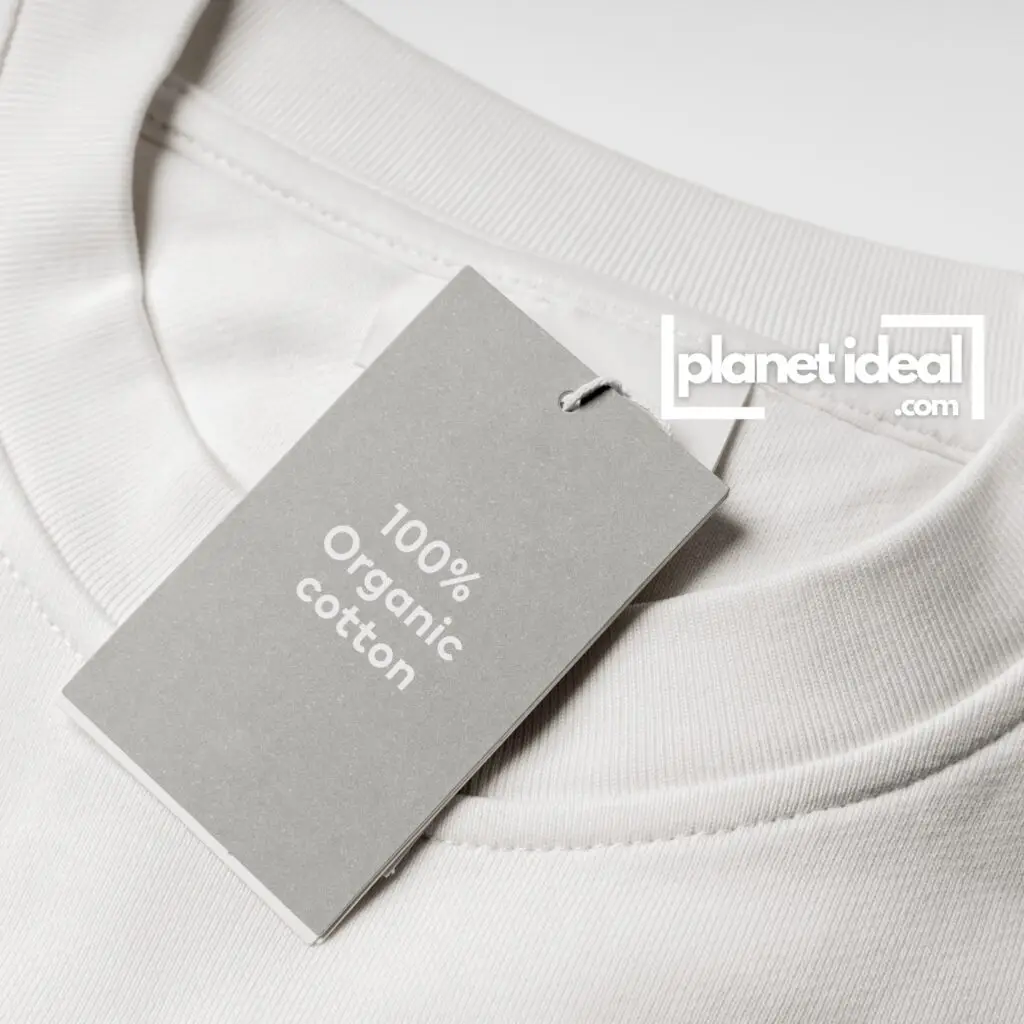
Organic cotton is a greener alternative to conventional cotton. It’s grown without synthetic pesticides or fertilizers, making it better for the environment and farmers.
Benefits of Organic Cotton:
- Lower Water Use: Uses significantly less water than conventional cotton.
- Chemical-Free: Free from toxic pesticides and dyes.
- Soft and Durable: Perfect for clothing, bedding, and towels.
Where to Find It:
- Brands: Pact, Coyuchi, Eileen Fisher.
- Fabric Retailers: Organic Cotton Plus for DIY projects.
Picture Spot:
3. Hemp: The Sustainable Powerhouse
Hemp is one of the most sustainable fabrics on the planet. It grows quickly, requires minimal water, and naturally enriches the soil.
Why Choose Hemp:
- Eco-Friendly Growth: Requires no pesticides and grows in various climates.
- Versatile: Used for clothing, rope, bags, and even home insulation.
- Durable: Stronger than cotton and softens with each wash.
Where to Find It:
- Brands: Patagonia, Jungmaven.
- Fabric Retailers: Hemp Traders for bulk hemp fabric.
Picture Spot:
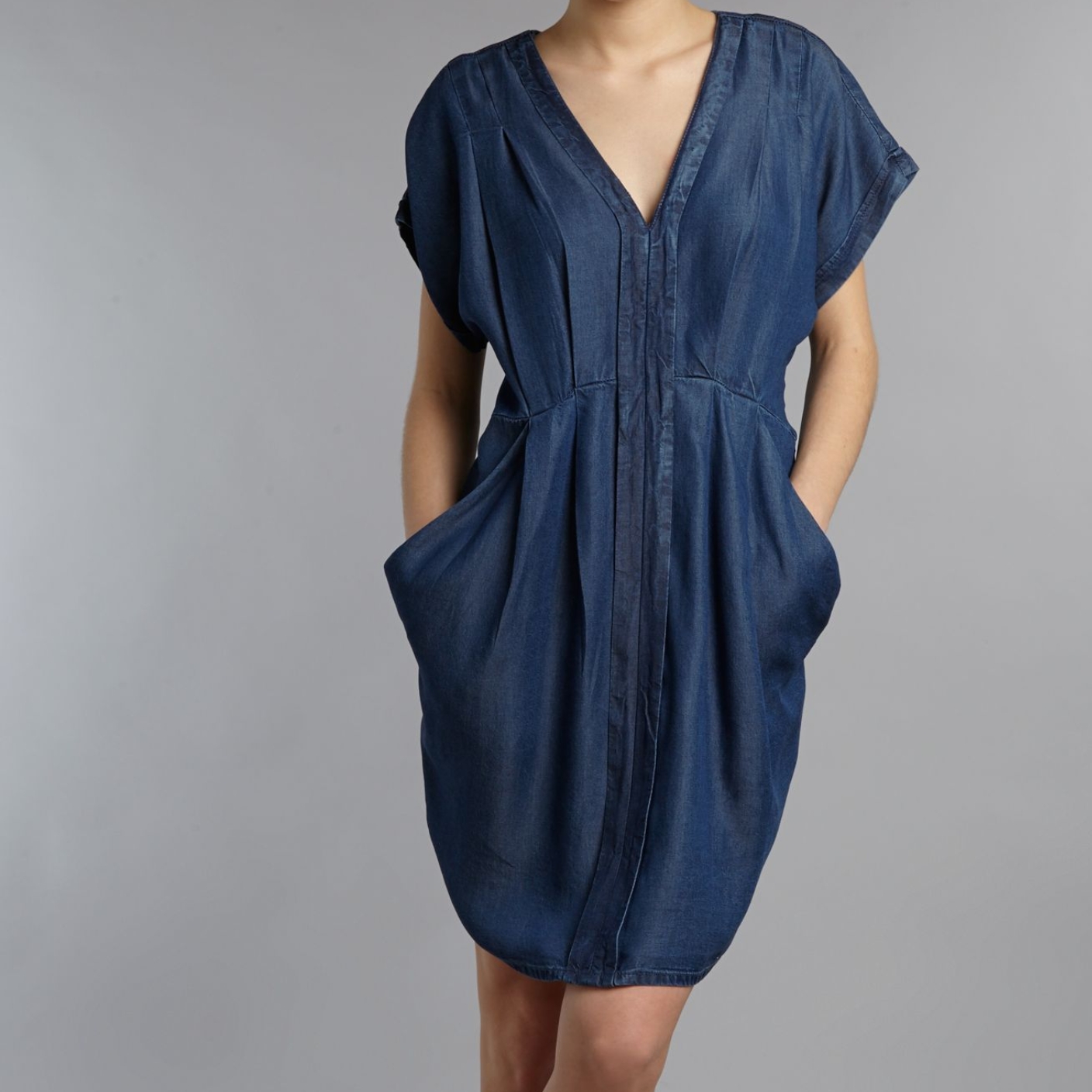
4. Tencel/Lyocell: The Silky Eco-Champion
Tencel, a branded form of lyocell, is made from sustainably sourced wood pulp, often from eucalyptus trees. It’s renowned for its softness, breathability, and eco-friendly production process.
What Makes Tencel Unique:
- Closed-Loop Process: Solvents used in production are recycled.
- Moisture-Wicking: Keeps you cool and comfortable.
- Biodegradable: Fully breaks down at the end of its life.
Where to Find It:
- Brands: Allbirds, Reformation.
- Fabric Retailers: Offset Warehouse for Tencel fabric by the yard.
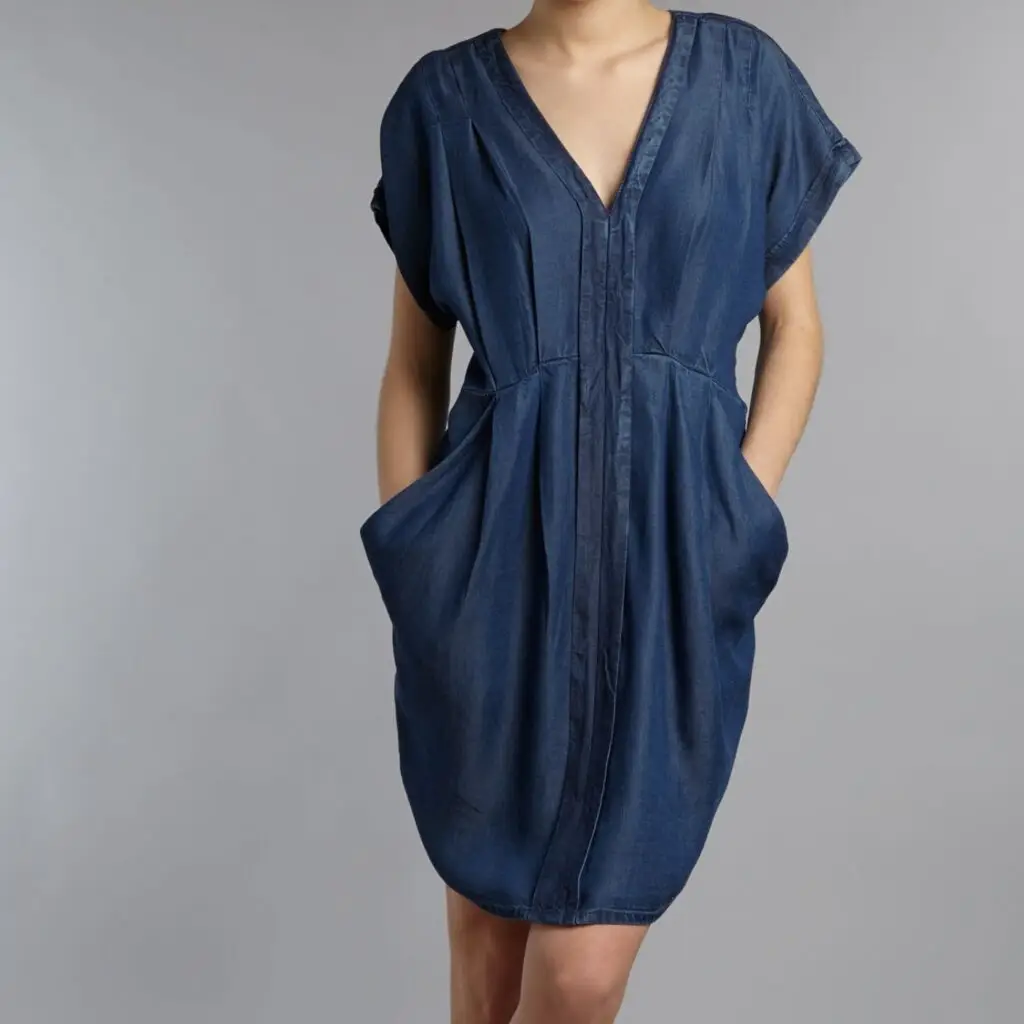
Source : https://www.lyst.com/shop/whistles-casual-dresses/
5. Bamboo Fabric: Naturally Renewable
Bamboo fabric is made from the fast-growing bamboo plant, which regenerates without replanting. It’s often used for soft, stretchy clothing and home textiles.
Why Bamboo Fabric Is a Hit:
- Sustainable Growth: Bamboo requires no fertilizers or pesticides.
- Super Soft: Comparable to silk in texture.
- Antimicrobial: Naturally resists odors and bacteria.
Where to Find It:
- Brands: Boody, Cariloha.
- Fabric Retailers: Bamboo Textiles.
6. Linen: Timeless and Sustainable
Linen, made from the flax plant, is one of the oldest and most sustainable fabrics. It’s lightweight, breathable, and perfect for warm-weather wear.
Why Linen Stands Out:
- Minimal Water Use: Flax grows with little irrigation.
- Long-Lasting: Known for its durability and timeless style.
- Biodegradable: Fully compostable at the end of its life.
Where to Find It:
- Brands: Sezane, Amour Vert.
- Fabric Retailers: Fabrics-store.com for a variety of linen options.

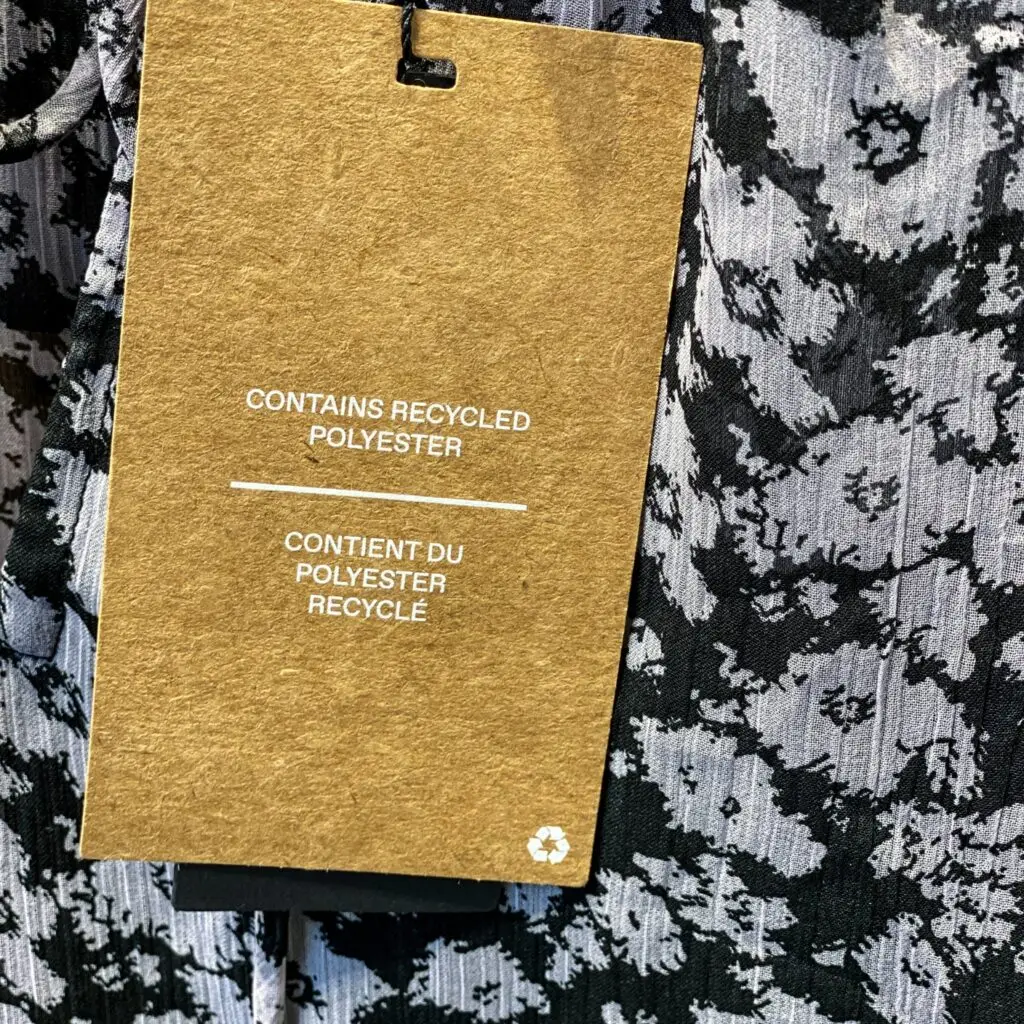
7. Recycled Polyester: A Second Life for Plastic
Recycled polyester (rPET) gives plastic waste, like bottles, a second life. It’s an excellent option for activewear and outerwear.
Benefits of Recycled Polyester:
- Reduces Waste: Diverts plastic from landfills and oceans.
- Energy Efficient: Requires less energy to produce than virgin polyester.
- Durable: Great for long-lasting, high-performance garments.
Where to Find It:
- Brands: Girlfriend Collective, Adidas.
- Fabric Retailers: Spoonflower for custom rPET designs.
8. Econyl: The Ocean-Friendly Fabric
Econyl is a revolutionary material made from recycled ocean plastics and industrial waste. It’s commonly used in swimwear and activewear.
Why Econyl Rocks:
- Ocean Cleanup: Removes plastic waste from the ocean.
- Circular Fashion: Can be recycled repeatedly without losing quality.
- Versatile: Works well for swimwear, backpacks, and more.
Where to Find It:
- Brands: Outerknown, Stella McCartney.
- Fabric Retailers: Check specialty swimwear fabric stores.
Picture Spot:

Source : https://shop.econyl.com/products/the-classic-button-up
Checklist: Eco-Friendly Fabrics at a Glance
| Fabric | Best For | Eco-Friendly Features |
|---|---|---|
| Organic Cotton | Everyday clothing, bedding, towels | Chemical-free, water-efficient |
| Hemp | Casual wear, accessories | Pesticide-free, durable |
| Tencel/Lyocell | Activewear, dresses | Closed-loop production, biodegradable |
| Bamboo | Loungewear, home textiles | Renewable, antimicrobial |
| Linen | Summer wear, home decor | Minimal water use, compostable |
| Recycled Polyester | Outerwear, activewear | Diverts waste, energy-efficient |
| Econyl | Swimwear, bags | Recycled from ocean plastics |
At Planet Ideal, we’re on a mission to make sustainable living accessible for everyone. Our team of eco-enthusiasts writes short, snappy, and easy-to-digest articles designed to inspire real change without overwhelming. From practical tips to innovative ideas, we’re here to prove that living green can be stylish, convenient, and enjoyable. Join us as we empower individuals, families, and communities to embrace eco-friendly lifestyles—one step, one story, and one solution at a time.