In today’s world, terms like “eco-friendly” and “environmentally friendly” are often used interchangeably, but they aren’t necessarily the same thing. Both concepts share a commitment to protecting the planet, but they focus on different aspects of sustainability and environmental care.
If you’ve ever wondered what these terms really mean and how they apply to your everyday choices, you’re in the right place. In this post, we’ll dive into the distinctions, clarify the similarities, and help you make more informed decisions for a greener lifestyle.
1. What Does “Eco-Friendly” Mean?
“Eco-friendly” refers to products, practices, or lifestyles that have a minimal impact on the environment. The term emphasizes living in harmony with nature, focusing on reducing harm to ecosystems and preserving natural resources.
Key Characteristics of Eco-Friendly Practices:
- Focuses on reducing waste and pollution.
- Often involves sustainable sourcing and production.
- Encourages using renewable resources and reducing carbon footprints.
Examples of Eco-Friendly Choices:
| Category | Example |
|---|---|
| Products | Bamboo toothbrushes, solar-powered lights |
| Practices | Composting, using reusable bags |
| Energy | Installing solar panels |

2. What Does “Environmentally Friendly” Mean?
“Environmentally friendly” focuses more broadly on actions and products that benefit or have a neutral impact on the environment. It includes practices that reduce harm and actively contribute to restoring and protecting ecosystems.
Key Characteristics of Environmentally Friendly Practices:
- Aims to conserve energy and resources.
- Seeks to minimize damage to wildlife and natural habitats.
- Promotes actions that actively improve environmental health.
Examples of Environmentally Friendly Choices:
| Category | Example |
|---|---|
| Products | Biodegradable packaging, electric vehicles |
| Practices | Reforestation, water conservation |
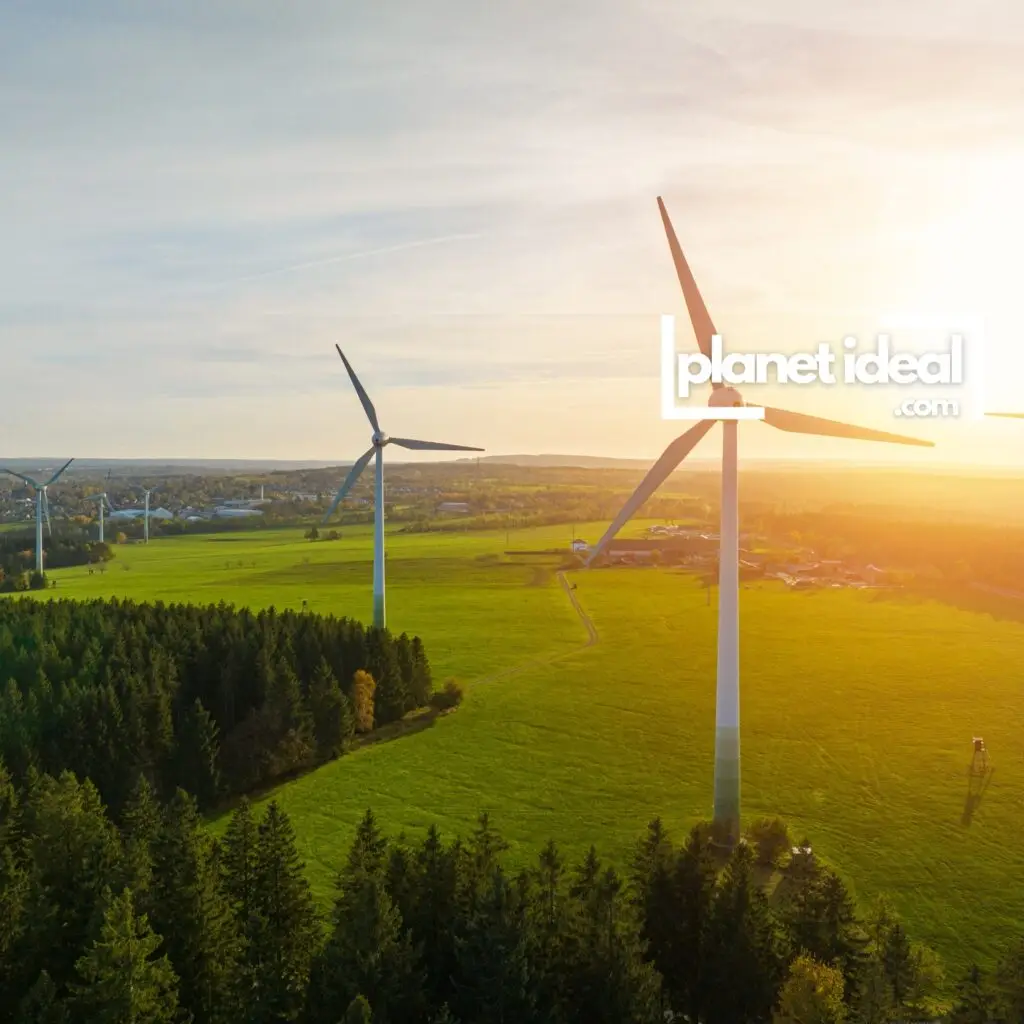
| Energy | Switching to wind or hydropower |
3. The Overlap Between Eco-Friendly and Environmentally Friendly
While these terms have distinct focuses, they often overlap. Products or actions that are eco-friendly typically align with environmentally friendly principles and vice versa.
Shared Goals:
| Eco-Friendly | Environmentally Friendly |
|---|---|
| Reduces waste and carbon footprints | Supports natural ecosystems |
| Promotes sustainable practices | Aims for long-term environmental health |

4. Key Differences Between Eco-Friendly and Environmentally Friendly
Let’s break down how these terms differ in focus and application.
Table: Differences Between Eco-Friendly and Environmentally Friendly
| Aspect | Eco-Friendly | Environmentally Friendly |
|---|---|---|
| Scope | Focused on minimal harm to ecosystems | Broader focus, including restoration efforts |
| Examples | Solar panels, composting bins | Reforestation, wildlife conservation |
| Approach | Preventive (reducing harm) | Preventive and corrective |
5. Why Understanding the Difference Matters
Knowing the difference between eco-friendly and environmentally friendly empowers you to make smarter, more impactful decisions. Whether you’re shopping for products, choosing a lifestyle, or supporting causes, understanding these terms helps you align your choices with your values.
How This Impacts Everyday Decisions:
- Shopping: Choose products labeled eco-friendly for sustainable materials and environmentally friendly for broader conservation impacts.
- Lifestyle: Adopt eco-friendly practices like reducing plastic use and support environmentally friendly initiatives like tree planting.
- Community Action: Encourage policies and businesses that uphold both principles.
6. How to Choose Between Eco-Friendly and Environmentally Friendly
Depending on your goals, you might prioritize one over the other—or find ways to incorporate both into your life.
Questions to Ask Yourself:
- Am I focusing on reducing harm or actively improving the environment?
- Does this product or practice align with my values?
- How does this choice impact my community or local ecosystem?
Pro Tip: Look for certifications like ENERGY STAR, USDA Organic, or Fair Trade to ensure your purchases align with these principles.

7. Moving Forward: A Balanced Approach
The best approach is often a combination of both eco-friendly and environmentally friendly actions. By reducing harm while contributing to positive change, you can make a meaningful impact.
Steps You Can Take Today:
- Swap single-use plastics for reusable alternatives.
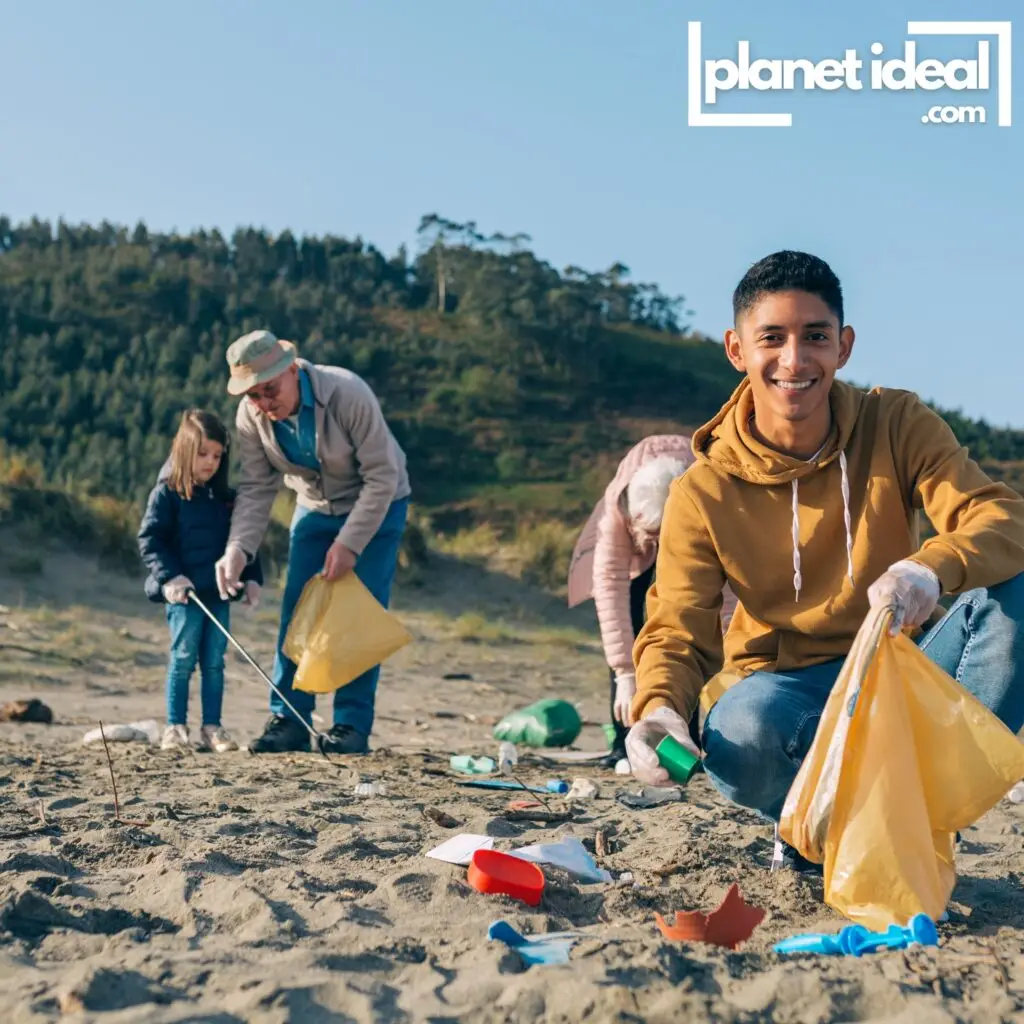
- Support local conservation projects.
- Opt for renewable energy providers.
- Advocate for sustainable practices in your community.
At Planet Ideal, we’re on a mission to make sustainable living accessible for everyone. Our team of eco-enthusiasts writes short, snappy, and easy-to-digest articles designed to inspire real change without overwhelming. From practical tips to innovative ideas, we’re here to prove that living green can be stylish, convenient, and enjoyable. Join us as we empower individuals, families, and communities to embrace eco-friendly lifestyles—one step, one story, and one solution at a time.