Grocery shopping—it’s the task we all do but don’t always think about. You grab your list (or wing it), head to the store, and fill your cart with whatever catches your eye. But what if your grocery runs could be kinder to the planet, your wallet, and even your waistline? Enter sustainable grocery shopping! It’s easier than you think and doesn’t require you to give up your favorite snacks (we’re looking at you, chocolate).
Ready to shop smarter and greener? Let’s break it down.
1. Start with a Plan (Because Nobody Needs a Fourth Bottle of Ketchup)
Going into the grocery store without a plan is like entering a candy store as a kid—it’s chaos. Planning your meals for the week not only saves you time but also reduces food waste.
Tips for Smart Meal Planning:
- Check your pantry: Take stock of what you already have (so you don’t end up with duplicate items).
- Make a list: Stick to it like glue to avoid impulse buys.
- Plan around seasonal produce: It’s fresher, cheaper, and better for the environment.

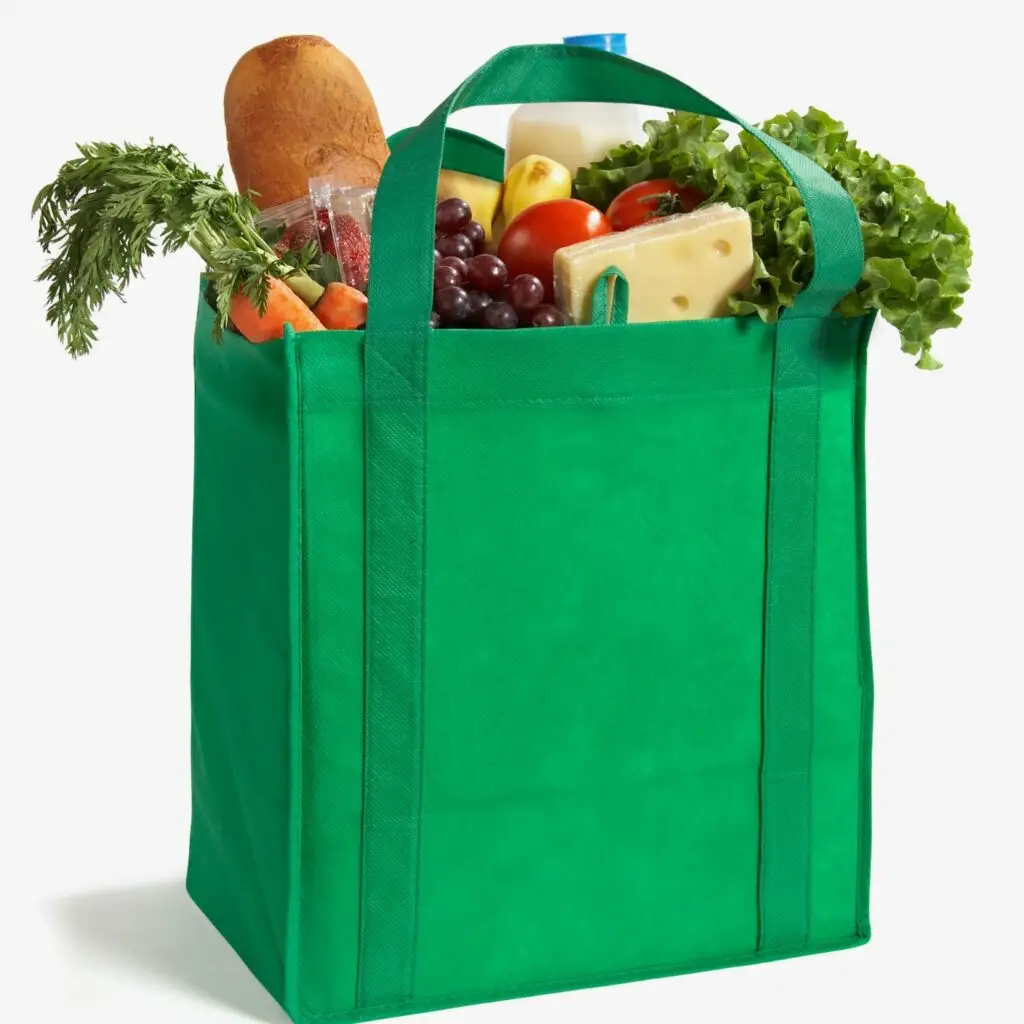
2. Bring Your Own Bags (And Feel Like an Eco-Warrior)
Reusable bags are a simple yet powerful tool for sustainable shopping. You’ll reduce plastic waste and maybe even get a discount at some stores.
Types of Reusable Bags:
| Material | Best For | Why It’s Great |
|---|---|---|
| Canvas | Produce, pantry items | Durable and washable |
| Mesh | Fruits and veggies | Lightweight and breathable |
| Insulated totes | Frozen goods | Keeps items cold while you shop |
Pro tip: Keep your bags in the car or by the door so you don’t forget them (we’ve all been there).
3. Shop the Perimeter of the Store
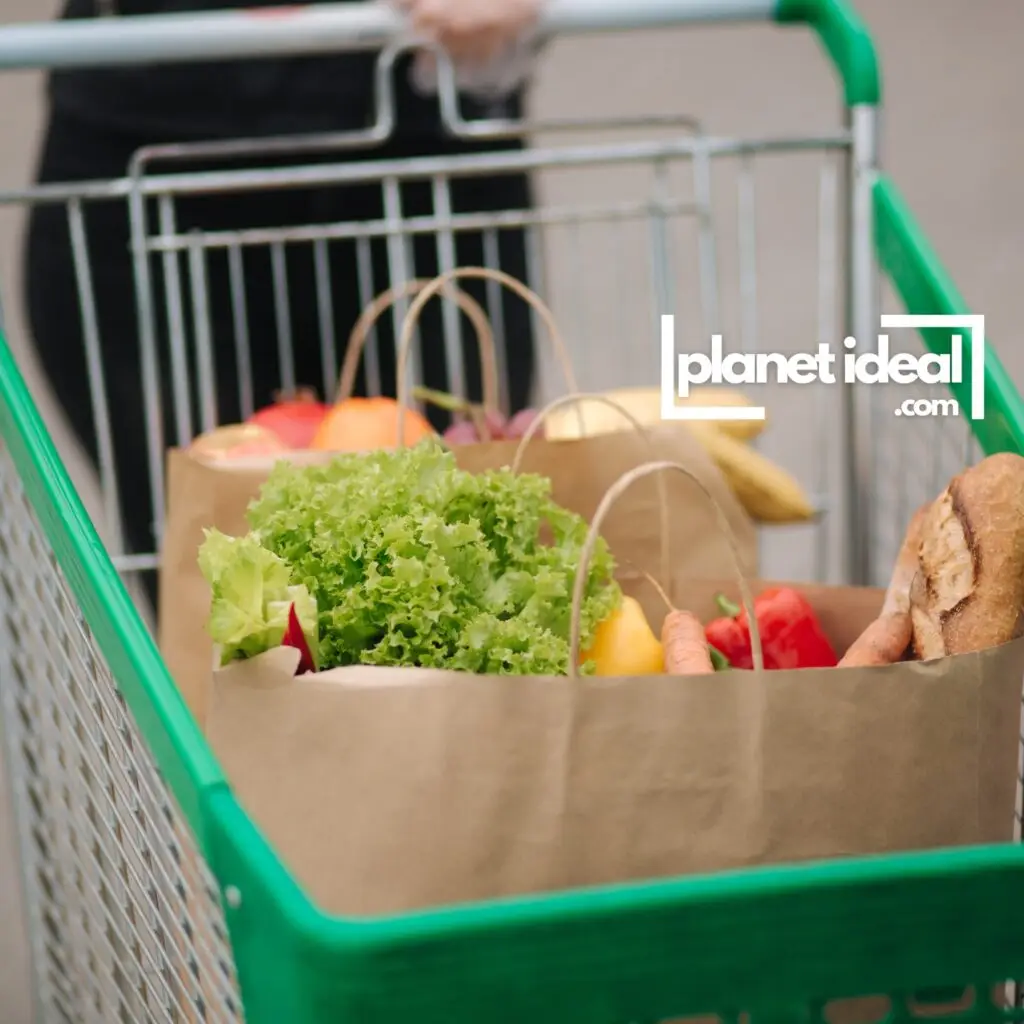
The perimeter is where the fresh, whole foods like fruits, veggies, dairy, and bread hang out. The middle aisles? That’s snack city (and often where heavily packaged goods live).
Why Shop the Perimeter?
- You’ll naturally buy more fresh, whole foods.
- Less packaging means less waste.
- It’s easier to spot seasonal and local items.
That said, don’t skip the middle aisles entirely—just stick to your list.
4. Support Local and Seasonal Produce
Buying local and seasonal produce is a win-win: it supports farmers in your area and reduces the carbon footprint of transporting food long distances.
How to Spot Seasonal Produce:
- Look for signs or labels indicating “local” or “seasonal.”
- Visit farmer’s markets for fresh, in-season options.
- Use a seasonal produce guide for your region (like this USDA Seasonality Chart).

5. Say Goodbye to Excess Packaging
Have you ever bought an apple wrapped in plastic? It’s time to ditch the unnecessary packaging.
Packaging Hacks:
- Opt for loose fruits and veggies instead of pre-packaged ones.
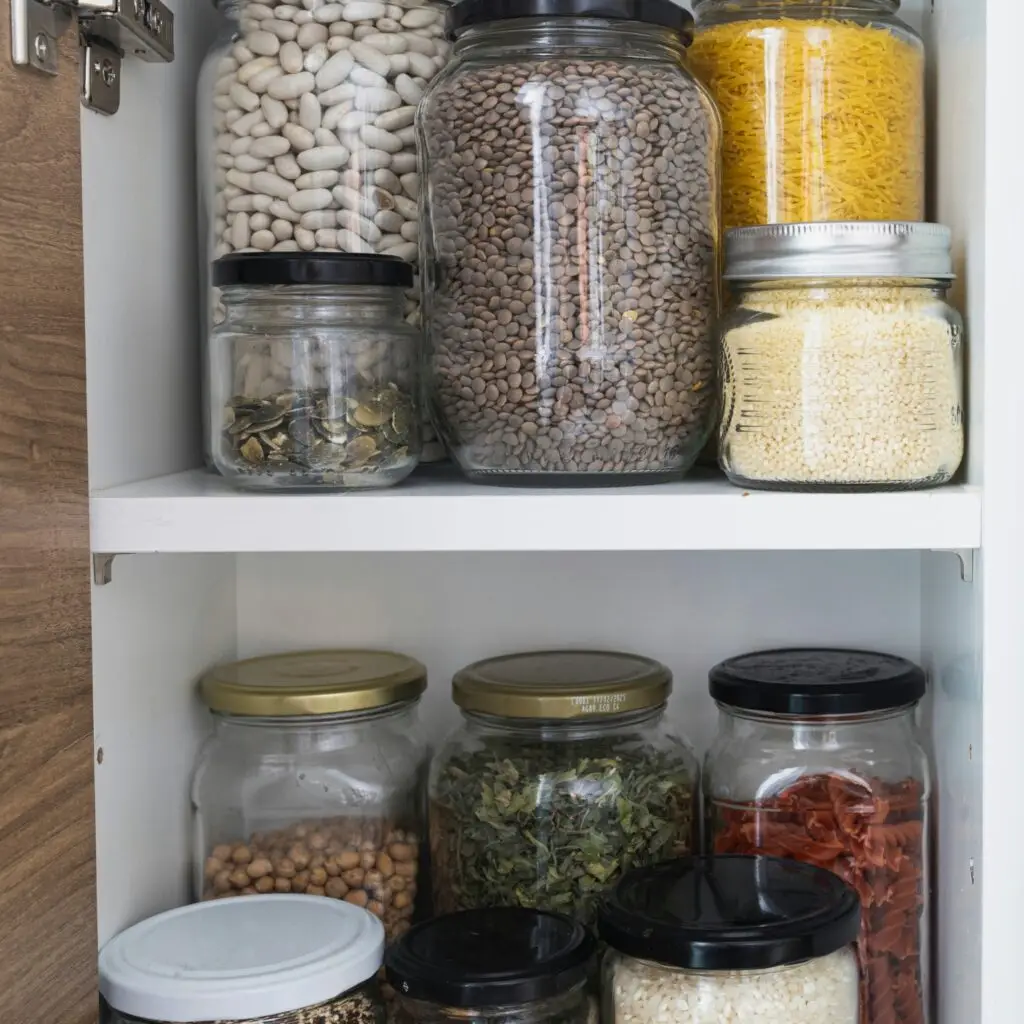
- Bring your own containers for bulk items like rice, nuts, and spices.
- Choose products in recyclable or compostable packaging.

6. Read the Labels Like a Pro
Food labels can be confusing, but they hold the key to sustainable shopping.
What to Look For:
| Label | Meaning |
|---|---|
| USDA Organic | No synthetic pesticides or fertilizers |
| Fair Trade Certified | Ethical sourcing and fair wages |
| Non-GMO Verified | Free of genetically modified organisms |
7. Buy in Bulk (But Not More Than You Need)
Bulk buying reduces packaging waste and often saves you money. But remember, it’s not about buying more—it’s about buying smarter.
What to Buy in Bulk:
- Grains: Rice, quinoa, oats.
- Nuts and seeds: Almonds, chia seeds.
- Pantry staples: Flour, sugar, beans.
8. Avoid Food Waste Like a Pro
Food waste is a massive environmental issue, but a few small habits can make a big difference.
Waste-Reducing Tips:
- Store produce properly to extend freshness.
- Freeze leftovers for later meals.
- Get creative with scraps: veggie peels make great broth!
External Link: Check out these Zero-Waste Food Storage Tips.
9. Choose Sustainable Meat and Dairy Alternatives
Cutting back on meat and dairy is one of the most impactful changes you can make. You don’t have to go full vegan—just be mindful.
Sustainable Alternatives:
- Plant-based milks: Almond, oat, soy.
- Meat substitutes: Tofu, tempeh, jackfruit.
- Local and grass-fed meat if you still eat animal products.
10. Celebrate Small Wins
Sustainable grocery shopping isn’t about perfection. It’s about progress. Every reusable bag, seasonal veggie, or bulk item makes a difference.
Witty Eco-Warrior | Advocate for Sustainable Living | Turning Environmental Insights into Laugh-Out-Loud Learning Moments
Denzil Dazzle is an environmental enthusiast and storyteller who brings a unique flair to eco-conscious writing. With a knack for transforming technical jargon into bite-sized, humorous, and engaging reads, Denzil has carved out a niche in the world of Eco-Food, Sustainability, and Green Living. His work resonates with readers who crave both a good laugh and a deeper understanding of pressing environmental issues. Whether it's exploring the joys of sustainable eating or demystifying the latest green innovations, Denzil’s articles promise to entertain and enlighten.