Table of Contents
ToggleIntroduction

In a world where convenience often takes priority, it’s easy to overlook the impact of our food choices. Eating seasonally—choosing foods that are naturally grown and harvested during their peak season in your region—is a practice that connects us to nature’s rhythms. While the availability of year-round produce may seem like a modern marvel, it comes with hidden costs: environmental degradation, reduced food quality, and higher prices.
By embracing seasonal eating, we align with sustainable living practices that benefit not just our planet but also our health and finances. Imagine biting into a ripe, juicy strawberry in spring or enjoying the rich flavors of a freshly harvested pumpkin in fall. Seasonal foods are fresher, tastier, and often more nutrient-dense because they’re grown and harvested in their natural cycle.
This simple yet impactful lifestyle change reduces the environmental footprint of your meals. By eating what’s in season, you minimize the energy required to grow, transport, and store food. It’s also a financially savvy choice—seasonal produce is typically more affordable because it’s abundant and doesn’t carry the hidden costs of long-distance transportation or artificial preservation.
In this guide, we’ll explore the myriad benefits of eating seasonally and show you how this timeless practice can transform the way you eat, live, and connect with the planet.
What is Season Eating?
Seasonal eating is all about choosing fruits, vegetables, and other foods that naturally grow and ripen during specific times of the year in your region. Think of strawberries bursting with sweetness in spring, juicy watermelons cooling you off in summer, hearty squashes in fall, and vibrant citrus fruits brightening up winter. It’s a simple concept that brings you closer to the rhythms of nature while delivering fresher, tastier meals.
The Basics of Seasonal Eating
When you eat seasonally, you’re essentially letting Mother Nature dictate your menu. This means you’re consuming food that hasn’t traveled thousands of miles or been artificially ripened. Seasonal eating also aligns with local agricultural cycles, ensuring that what you eat is at its peak in flavor, nutrition, and freshness.
Examples of Seasonal Foods by Region
- Spring: Asparagus, peas, strawberries, and artichokes.
- Summer: Tomatoes, corn, peaches, and zucchini.
- Fall: Apples, pumpkins, sweet potatoes, and kale.
- Winter: Oranges, pomegranates, carrots, and Brussels sprouts.
The availability of these foods may vary slightly depending on where you live, but the general principle remains: embrace what grows locally and naturally during each season.
Examples of Seasonal Foods by Region
Before the globalization of food production, seasonal eating was simply how people lived. Communities relied on the crops their region produced during specific times of the year, preserving excess for leaner months through drying, fermenting, or canning. Markets brimmed with fresh, local produce, and the idea of importing exotic fruits or vegetables year-round was unthinkable.
It wasn’t until advancements in transportation, refrigeration, and agricultural technology that we began to see out-of-season produce on supermarket shelves year-round. While this shift brought convenience, it also disconnected us from the natural cycles of food production, introducing environmental and health challenges along the way.
By returning to seasonal eating, we can honor this time-tested tradition while addressing modern issues like climate change, food waste, and sustainability.
The Environmental Impact of Seasonal Eating
Seasonal eating isn’t just about enjoying fresher, tastier food—it’s also a powerful way to support the environment. By aligning our eating habits with nature’s rhythms, we can significantly reduce the negative impacts of modern food systems. Let’s explore how eating seasonally benefits the planet.
1. Reducing Food Miles and Greenhouse Gas Emissions
The concept of “food miles” refers to the distance your food travels from where it’s grown to your plate. For much of the produce found in supermarkets year-round, this journey can span thousands of miles. Transporting food over such vast distances requires fossil fuels for shipping, trucking, and refrigeration, all of which contribute to greenhouse gas emissions.

Eating seasonally, especially from local sources, drastically reduces these food miles. A locally grown tomato sold at a farmers’ market has a much smaller carbon footprint than an imported one shipped from another hemisphere. Less transportation means less energy consumption and fewer emissions, making seasonal eating a practical choice for fighting climate change.
Conserving Energy in Food Production
Out-of-season foods often require energy-intensive farming practices to grow in artificial conditions. Greenhouses may need heating in colder climates or cooling in hotter ones. These controlled environments consume enormous amounts of energy to mimic the natural conditions the plants would have in their appropriate season.

On the other hand, seasonal crops grow naturally with minimal human intervention, reducing reliance on artificial resources. For example, winter greens like kale or root vegetables thrive in colder months without needing heated greenhouses, while summer crops like tomatoes flourish naturally under the sun.
By eating what’s naturally available, we decrease the demand for energy-intensive agricultural practices and shift toward a more sustainable food system.
Types of Solar Energy Systems for Homes
Not all solar systems are created equal. There are three main types to consider: grid-tied, off-grid, and hybrid systems. Grid-tied systems connect directly to the utility grid, allowing you to use solar power when the sun is shining and draw from the grid when it’s not. Off-grid systems are perfect for those in remote areas, relying solely on solar power and battery storage. Hybrid systems offer the best of both worlds, combining solar power with grid connectivity and battery backup for maximum flexibility and reliability. Each type has its unique benefits, so you can choose the one that best fits your lifestyle and energy needs.
Preserving Biodiversity Through Seasonal Farming
Modern farming often prioritizes monocultures—large-scale production of a single crop—to meet the demands of year-round availability. This practice depletes soil nutrients, increases the need for chemical fertilizers, and makes crops more vulnerable to pests and diseases, leading to heavier pesticide use.
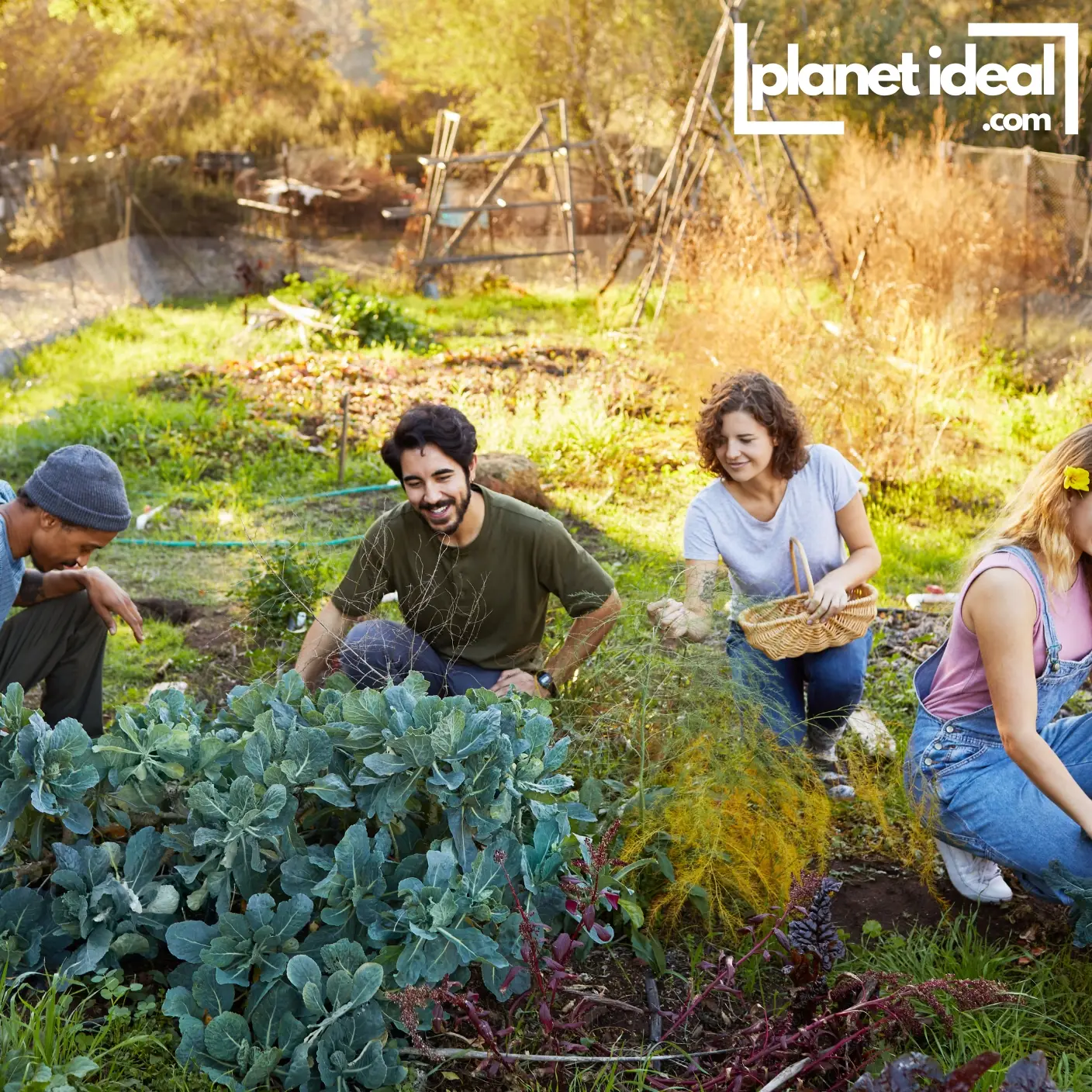
Seasonal farming, on the other hand, promotes crop rotation and biodiversity. By planting a variety of crops that thrive in different seasons, farmers can maintain healthier soil and ecosystems. A diverse farm also attracts beneficial insects and wildlife, creating a more balanced environment.
Supporting seasonal eating encourages these sustainable practices. When we choose seasonal and local foods, we’re indirectly promoting biodiversity on farms and helping to reduce the environmental degradation caused by monocultures.
By reducing food miles, conserving energy, and preserving biodiversity, seasonal eating goes beyond individual benefits—it’s a commitment to protecting our planet. Small changes in what and how we eat can lead to significant environmental progress, one meal at a time.
Financial Benefits of Eating Seasonally
One of the most rewarding aspects of eating seasonally is its positive impact on your wallet. Seasonal produce isn’t just better for the planet and your health—it’s also a cost-effective way to fill your plate with fresh, delicious foods. Let’s break down how eating seasonally saves you money while supporting a more sustainable food system.
Seasonal Product is Cheaper Due to Local Abundance
When fruits and vegetables are in season, they’re grown in abundance, which naturally drives down prices. Local farmers have an excess of these crops during peak harvest times, and this surplus often translates to lower costs for consumers.
For example, strawberries in late spring or zucchini in midsummer tend to be much cheaper when they’re abundant compared to when they’re out of season and imported. This affordability makes it easier to eat healthy and support local farmers simultaneously.
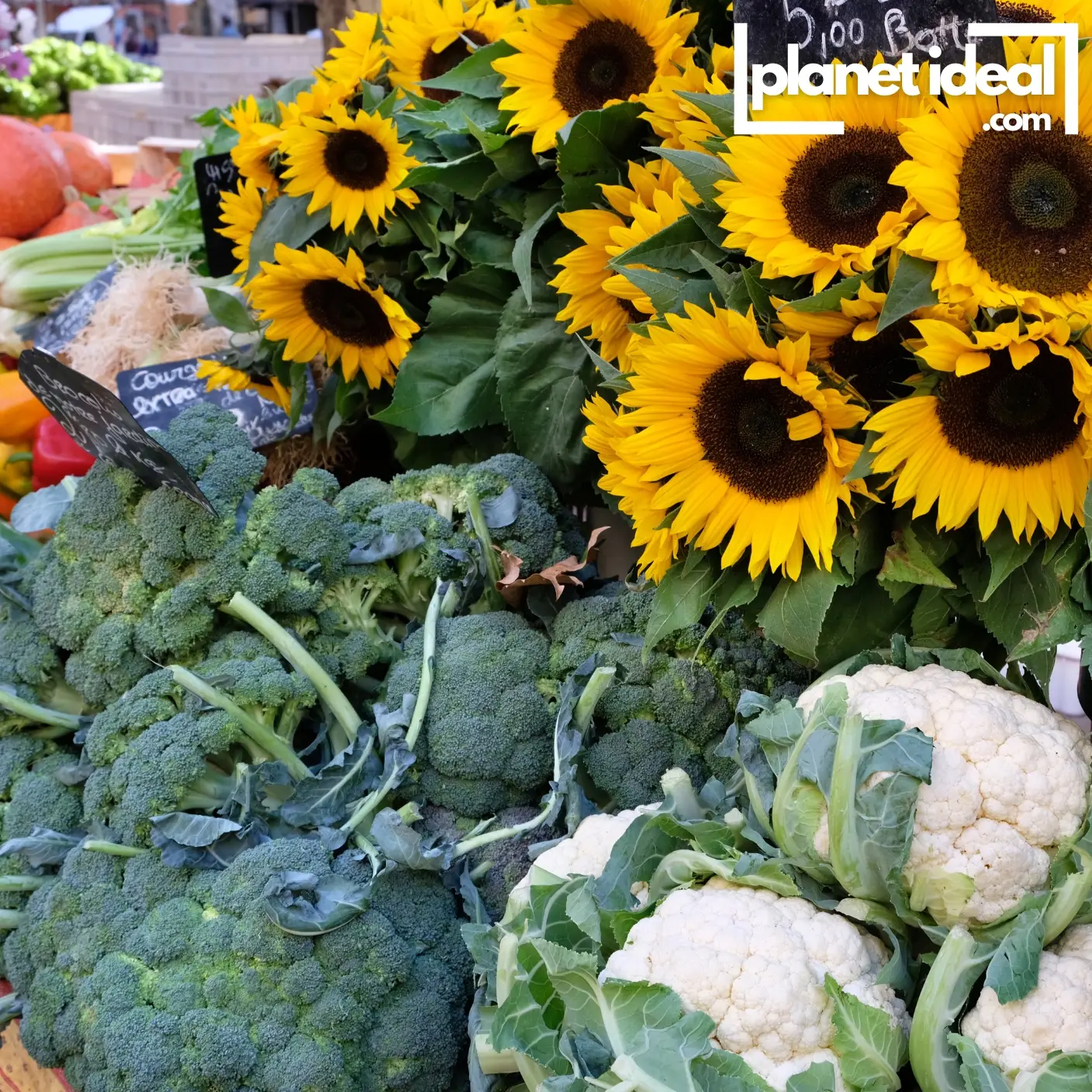
Additionally, seasonal eating eliminates the costs associated with storage, refrigeration, and long-distance shipping, making the food you buy more affordable.
Avoiding the Hidden Costs of Imported Goods
Out-of-season produce often comes with hidden costs that consumers don’t immediately see. For instance, foods imported from other countries incur expenses related to shipping, customs, and preservation. These costs are passed down to the consumer, resulting in higher prices for items that are not naturally available in your region.
Take asparagus as an example. In winter, asparagus is typically imported from warmer regions like South America, making it significantly more expensive than it is during its local spring harvest. By choosing foods that are in season locally, you avoid paying for the extra transportation and handling costs associated with imported goods.
Reducing Food Waste by Buying Fresher, Longer-Lasting Produce
Seasonal foods are fresher and often last longer than their out-of-season counterparts, which helps reduce food waste. Imported or stored produce often spends weeks in transit or cold storage before reaching your grocery store. By the time you bring it home, its freshness may already be compromised, leading to quicker spoilage.
In contrast, locally grown, in-season produce is harvested at peak ripeness and typically sold within days. Fresher food not only tastes better but also has a longer shelf life, meaning you’re less likely to throw away wilted lettuce or mushy tomatoes.
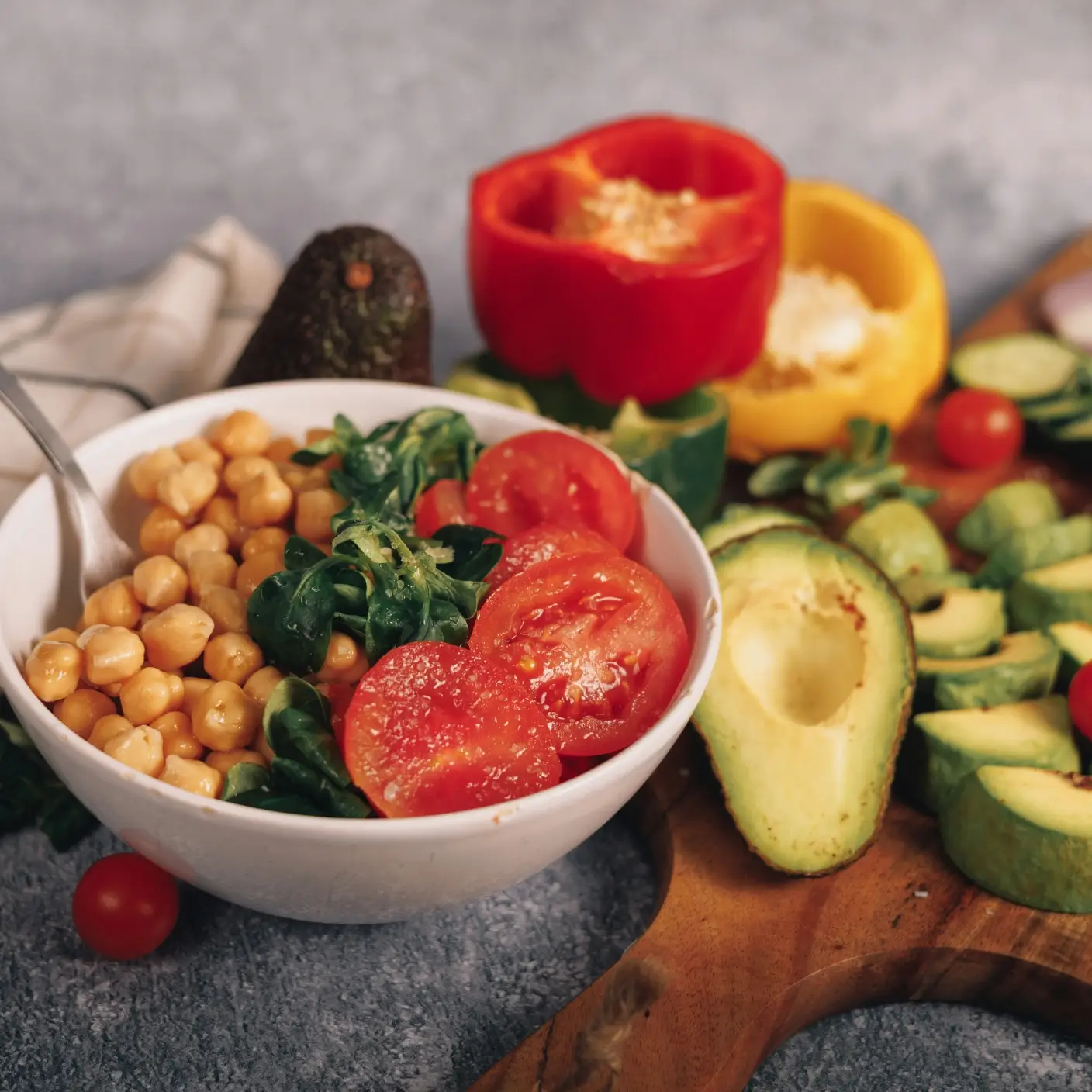
Buying seasonal foods encourages more mindful purchasing, as you’re less tempted to overstock on expensive items that may go bad before you can use them. This reduction in waste saves money and reduces the environmental burden of discarded food.
Summary : A Win-Win for your Budget and the Planet
Eating seasonally isn’t just a lifestyle change; it’s a smart financial move. By opting for local, abundant produce, you sidestep the hidden costs of imported goods and enjoy fresher, longer-lasting foods that minimize waste. The result? Lower grocery bills, healthier meals, and a smaller carbon footprint. Seasonal eating proves that you don’t have to spend a fortune to eat sustainably and support local farmers.
Health Benefits of Eating Seasonally
Eating seasonally isn’t just good for the planet and your wallet—it’s also a boon for your health. From fresher, more nutrient-rich produce to a natural alignment with your body’s seasonal needs, this lifestyle choice offers a host of benefits. Here’s why eating seasonally can be one of the healthiest decisions you make.
Nutritional Advantages of Freshly Harvested Produce
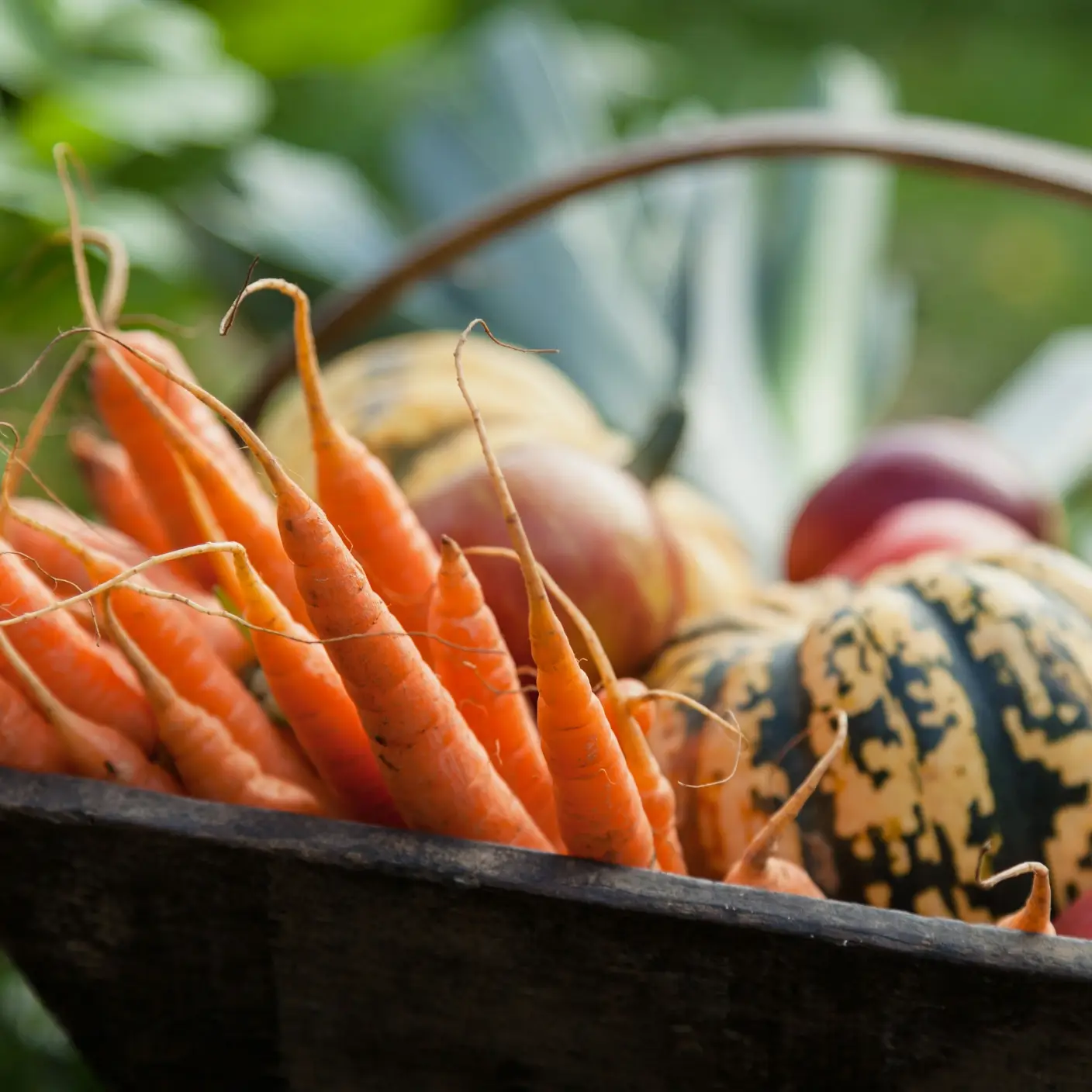
When fruits and vegetables are picked at their peak ripeness, they are packed with nutrients. Seasonal produce often contains higher levels of vitamins, minerals, and antioxidants compared to foods that are harvested early and artificially ripened during transport.
For example:
- Tomatoes ripened under the sun are richer in lycopene, a powerful antioxidant.
- Leafy greens like spinach and kale grown in colder months have higher concentrations of vitamin C to protect against cold and frost.
The fresher the produce, the more nutrients it retains. Seasonal eating ensures that you’re consuming food in its most natural and nutritious state, delivering health benefits that processed or out-of-season options simply can’t match.
Fewer Chemicals and Preservatives in Seasonal Foods
Out-of-season produce often relies on chemical preservatives, waxes, and pesticides to maintain its appearance and prolong shelf life during long-distance transportation. These additives may not only alter the taste of your food but also pose potential health risks over time.
In contrast, seasonal produce—especially when purchased locally—requires fewer interventions. Locally harvested foods often skip the preservatives entirely because they are sold quickly after being picked. This means fewer chemicals on your plate and more peace of mind about what you’re eating.
Buying organic seasonal produce takes this benefit a step further, ensuring that your fruits and vegetables are grown without harmful pesticides.
Varied Diets That Align with Seasonal Nutrient Needs
Nature has a way of providing exactly what our bodies need during each season. Seasonal eating naturally aligns with these cycles:
- Spring: Light, fresh produce like leafy greens and asparagus helps the body detox after winter’s heavier meals.
- Summer: Juicy fruits like watermelons and berries hydrate the body and provide quick energy for warm-weather activities.
- Fall: Root vegetables and squashes offer grounding, nutrient-dense meals to prepare for colder months.
- Winter: Citrus fruits are rich in vitamin C, boosting immunity during flu season.
Eating seasonally encourages a naturally varied diet, reducing the monotony of consuming the same foods year-round. This variety not only keeps meals exciting but also ensures you get a broader spectrum of nutrients throughout the year.
Summary : Health that Aligns with Nature
Seasonal eating nurtures your body with fresh, nutrient-dense foods while minimizing exposure to harmful chemicals. It also encourages variety in your meals, providing your body with the right nutrients at the right time of year. By making the shift to eating seasonally, you’re not just supporting the environment—you’re also giving your body the nourishment it deserves.
How Seasonal Eating Supports Local Economies
Eating seasonally doesn’t just benefit your health and the planet—it also plays a crucial role in supporting local economies. By choosing seasonal, locally grown foods, you directly contribute to the success of regional agriculture, promote sustainable farming practices, and strengthen the sense of community through farmers’ markets and CSA (Community Supported Agriculture) programs.
Strengthening Regional Agriculture and Farmers
Local farmers rely on community support to sustain their livelihoods. When you buy seasonal produce, you’re choosing to invest in their work rather than large-scale industrial farming operations. This helps small and mid-sized farms thrive, enabling them to continue growing the diverse range of crops that seasonal eating depends on.
Your dollars stay within the local economy, supporting not only the farmers but also their suppliers, farmworkers, and distribution networks. This creates a ripple effect, ensuring the economic vitality of your region. Additionally, purchasing directly from farmers allows them to retain more of their earnings compared to selling through large retailers, where profits are often heavily reduced by middlemen.
Encouraging Sustainable Farming Practices
When farmers grow seasonal crops, they’re better able to work in harmony with nature. Seasonal farming reduces the need for energy-intensive greenhouses, artificial fertilizers, and pesticides, as crops are grown in their ideal conditions. This promotes healthier soil, cleaner water, and less reliance on harmful chemicals.
By supporting seasonal eating, you’re indirectly encouraging these sustainable farming methods. Farmers are more likely to adopt eco-friendly practices when they know there’s a demand for locally grown, seasonal produce. Over time, this demand fosters a shift toward more responsible agricultural practices, benefiting both the environment and future generations of farmers.
The Community Aspect of Farmers Markets and CSAs
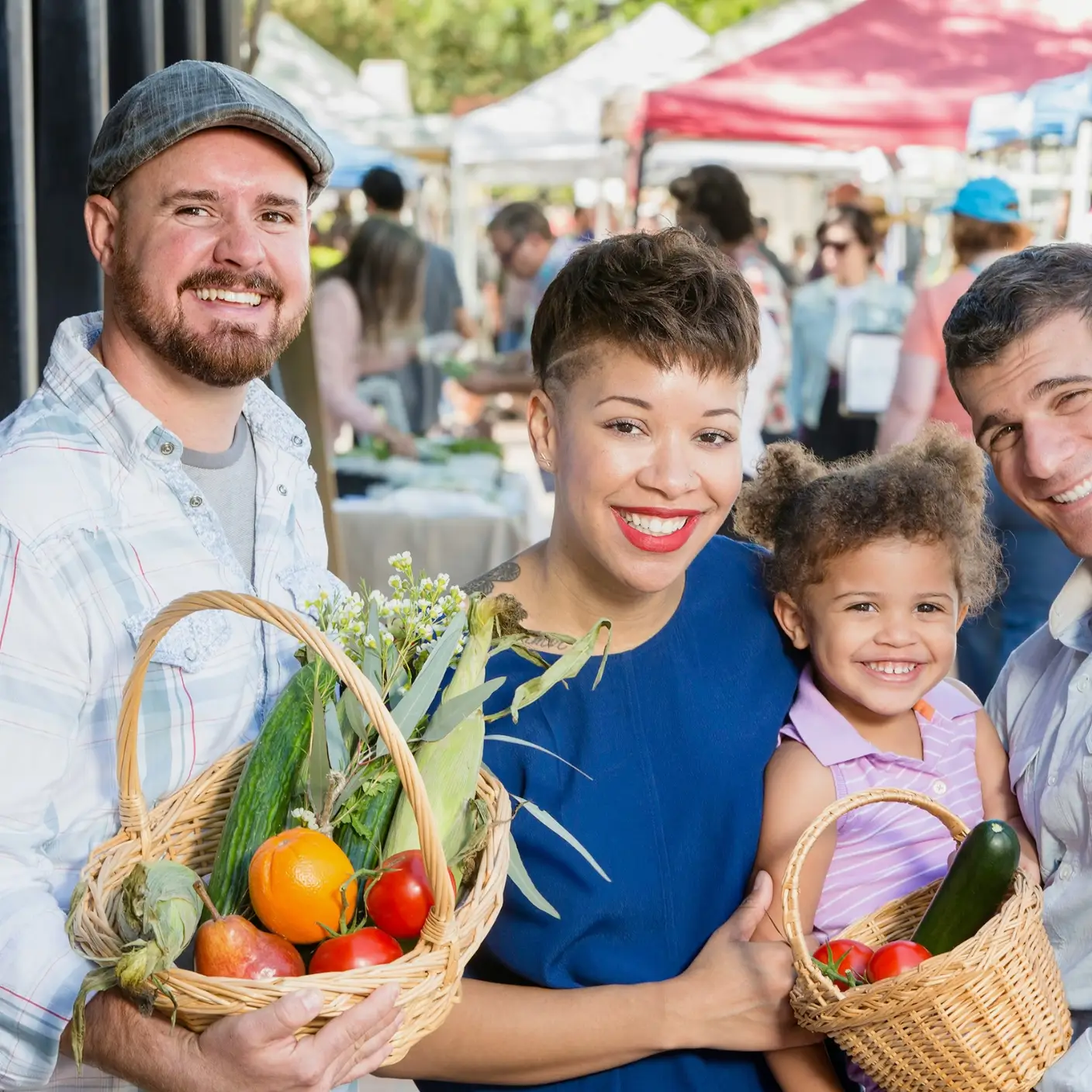
Farmers’ markets and CSAs are the heart of seasonal eating. These spaces create a direct connection between consumers and growers, fostering a sense of community and mutual support. When you visit a farmers’ market or join a CSA, you’re not just purchasing produce—you’re building relationships, learning about where your food comes from, and contributing to a vibrant local food culture.
- Farmers’ Markets: These weekly gatherings offer fresh, seasonal produce and the opportunity to interact with the people who grow your food. Many markets also feature artisanal goods, live music, and workshops, making them a lively hub for the community.
- CSAs: When you subscribe to a CSA, you commit to buying a share of a farm’s harvest in advance. This provides farmers with financial stability while giving you a regular supply of fresh, seasonal produce. It’s a win-win that strengthens the local food system.
Beyond the economic benefits, these interactions create a sense of accountability and trust. You know exactly where your food comes from, how it’s grown, and the people who make it possible.

Summary : The Bigger Picture - Investing in your Community
By eating seasonally and supporting local farmers, you’re helping to build a food system that’s more sustainable, equitable, and community-focused. Your choices empower farmers to grow healthy, diverse crops and encourage the adoption of eco-friendly practices. At the same time, you’re fostering connections that strengthen your local economy and create a more resilient food network.
Supporting seasonal eating is more than just a consumer choice—it’s a commitment to a healthier, happier, and more sustainable community.
Common Myths about Seasonal Eating
Despite its many benefits, seasonal eating often faces misconceptions that discourage people from embracing it. Let’s debunk some of the most common myths about seasonal eating and show how this lifestyle is far more accessible, affordable, and enjoyable than you might think.
Myth 1 : Seasonal Eating is Expensive
One of the most persistent myths about seasonal eating is that it costs more. While organic or specialty items may carry a premium price, seasonal produce is often cheaper than imported or out-of-season options. Why? Because when crops are in season, they’re abundant, reducing the costs associated with farming, transportation, and storage.
For example, buying strawberries in late spring or pumpkins in early fall is far more affordable than sourcing them out of season. Local farmers don’t need to invest in energy-intensive greenhouses or long-distance transportation, so their savings often translate directly to lower prices for you.
The Reality: Seasonal eating can actually save you money, especially when shopping at farmers’ markets or community-supported agriculture (CSA) programs. You also reduce waste by purchasing fresher produce that lasts longer, which means fewer trips to the store and less money spent overall.
Myth 2 : Seasonal Eating Limits Variety
Another common misconception is that seasonal eating means a restricted or repetitive diet. People often worry they’ll miss out on their favorite foods if they stick to seasonal options. However, seasonal eating encourages variety by aligning your meals with the changing seasons, introducing you to new flavors and ingredients throughout the year.
For example:
- Spring: Fresh asparagus, artichokes, and strawberries.
- Summer: Juicy tomatoes, peaches, and corn.
- Fall: Hearty pumpkins, apples, and Brussels sprouts.
- Winter: Citrus fruits, root vegetables, and dark leafy greens.
These natural shifts not only diversify your diet but also ensure you’re consuming foods that meet your body’s seasonal nutritional needs. It’s an opportunity to get creative in the kitchen and explore recipes you might not have tried otherwise.
The Reality: Seasonal eating offers endless variety as each season brings its own unique bounty. Embracing this change keeps your meals exciting and ensures you’re getting a broad range of nutrients year-round.
Myth 3 : Seasonal Eating is Incovenient
Some people assume that seasonal eating requires extra effort, such as visiting farmers’ markets or researching what’s in season. While it may take a bit of adjustment at first, seasonal eating often simplifies your shopping and cooking routines over time.
Farmers’ markets, for instance, make it easy to find fresh, locally grown produce all in one place. Community-supported agriculture (CSA) programs deliver seasonal items directly to your doorstep, saving you time and effort. Even supermarkets increasingly highlight local, in-season options, so you don’t have to go out of your way to shop sustainably.
The Reality: Seasonal eating is no more inconvenient than a typical grocery shopping trip—and it can be even easier with a little planning. Plus, the rewards of fresher, tastier food and a smaller environmental impact make any extra effort well worth it.
Summary : Busting Myths and Embracing Seasonal Eating
The myths surrounding seasonal eating often stem from misunderstandings about its cost, variety, and convenience. In reality, eating seasonally is an affordable, diverse, and accessible way to enjoy fresh, flavorful food while supporting local farmers and the environment.
By challenging these misconceptions, we can encourage more people to embrace seasonal eating and discover just how easy and rewarding it can be.

Practical Steps to Start Eating Seasonally
Making the shift to seasonal eating doesn’t require a complete overhaul of your lifestyle. With a few simple strategies, you can incorporate fresh, local produce into your meals and enjoy the many benefits it offers. Here’s how to get started with eating seasonally:
Identify What's in Season in Your Region
The first step to eating seasonally is knowing what’s available at different times of the year. Seasonal availability varies depending on your location, so it’s helpful to familiarize yourself with your region’s growing cycles.
How to Find Out What’s in Season:
- Local Guides: Many websites and apps offer seasonal produce charts tailored to specific regions.
- Farmers’ Markets: Talk to local farmers—they are the best resource for understanding what’s fresh and available.
- Community Supported Agriculture (CSA): Joining a CSA gives you direct access to locally grown, seasonal foods delivered to you regularly.
For example, in spring, you might find fresh asparagus and strawberries, while fall brings apples, pumpkins, and squash. Knowing what’s in season allows you to plan meals that highlight the freshest, most flavorful ingredients.
Tips for Shopping at Farmers Markets or CSAs
Farmers’ markets and CSAs are at the heart of seasonal eating, offering a direct connection to local growers and their harvests. Here’s how to make the most of these resources:
- Arrive Early: Get the best selection by shopping early in the day.
- Bring Reusable Bags: Reduce waste by carrying your own tote bags or baskets.
- Ask Questions: Farmers love to share information about their produce. Ask for cooking tips or recipes for unfamiliar ingredients.
- Try Something New: Seasonal eating introduces you to ingredients you might not normally buy. Be adventurous and experiment!
- Commit to a CSA: Subscribing to a CSA not only ensures you receive fresh, seasonal produce regularly but also provides financial stability for local farmers.
Meal Planning Around Seasonal Produce
Meal planning is an effective way to incorporate seasonal foods into your diet while saving time and reducing waste.
How to Build a Seasonal Meal Plan:
- Start with What’s Fresh: Check your local market or CSA box to see what’s in season.
- Choose Simple Recipes: Seasonal ingredients are often at their best when prepared simply, allowing their natural flavors to shine.
- Batch Cooking: Prepare meals in advance using seasonal produce to save time during the week.
- Embrace Flexibility: Let seasonal foods inspire your meals rather than relying on rigid recipes.

Example: In summer, a fresh tomato and basil pasta makes a quick, delicious meal. In fall, a hearty butternut squash soup is both comforting and easy to prepare.
Preserving the Harvest : Freezing, Canning and Drying
Seasonal eating doesn’t mean you can’t enjoy your favorite foods year-round. Preserving surplus produce during peak seasons is a fantastic way to extend its availability and reduce waste.
Preservation Methods:
- Freezing: Great for berries, tomatoes, and leafy greens. Freeze in airtight containers or freezer bags to maintain freshness.
- Canning: Perfect for fruits, jams, and sauces. Canning involves sterilizing jars and sealing them to keep food shelf-stable for months.
- Drying: Ideal for herbs, fruits, and vegetables. Use a dehydrator or oven to dry items like apple slices or kale chips.
Preservation not only allows you to enjoy seasonal flavors year-round but also saves money by reducing reliance on expensive, out-of-season imports.
Summary : Making Seasonal Eating a Habit
Seasonal eating doesn’t have to be complicated. By learning what’s in season, shopping locally, planning your meals, and preserving surplus produce, you can seamlessly incorporate this sustainable practice into your lifestyle. Over time, it becomes second nature—and the rewards, from fresher meals to a healthier planet, make it all worthwhile.
Seasonal produce is often at its peak flavor and doesn’t need much embellishment to shine. Simple, wholesome recipes can bring out the best in fresh fruits and vegetables while inspiring you to try new dishes.
Creative Ways to Incorporate Seasonal Foods
Seasonal eating opens the door to a world of culinary creativity. With fresh, flavorful ingredients at your fingertips, you can craft meals and beverages that celebrate the best of each season. Let’s explore some fun and inventive ways to incorporate seasonal foods into your daily life, minimize waste, and elevate your kitchen game.
Recipes Highlighting Seasonal Ingredients
Seasonal produce is often at its peak flavor and doesn’t need much embellishment to shine. Simple, wholesome recipes can bring out the best in fresh fruits and vegetables while inspiring you to try new dishes.
Spring Favourites :
- Asparagus and Lemon Risotto: A creamy, zesty dish that highlights the tender, fresh flavor of spring asparagus.
- Strawberry Spinach Salad: Sweet strawberries paired with crisp spinach, crunchy nuts, and a tangy balsamic dressing.
Summer Staples:
- Grilled Vegetable Platter: A mix of summer squash, eggplant, and bell peppers brushed with olive oil and herbs.
- Watermelon Gazpacho: A refreshing, chilled soup perfect for hot summer days.
Fall Comfort
- Roasted Butternut Squash Soup: Creamy and hearty, this fall favorite is simple and nourishing.
- Apple Crisp: Juicy apples baked with cinnamon and topped with a crunchy oat streusel.
Winter Warmers
- Citrus Kale Salad: Bright citrus fruits like oranges and grapefruits paired with nutrient-packed kale.
- Root Vegetable Stew: A hearty medley of carrots, parsnips, and potatoes simmered with aromatic herbs.
Using Scraps and Leftovers to Minimize Waste
Seasonal eating aligns perfectly with a zero-waste mindset. By creatively repurposing food scraps and leftovers, you can stretch your ingredients further while reducing waste.
Creative Uses for Scraps:
- Vegetable Broth: Save carrot tops, onion skins, and celery leaves to make a flavorful homemade broth.
- Fruit Compote: Use bruised or overripe fruits to create a delicious compote for pancakes, yogurt, or desserts.
- Citrus Zest: Grate lemon, lime, or orange peels before discarding them to add zest to baked goods, dressings, or cocktails.
- Herb Ice Cubes: Chop leftover herbs and freeze them with olive oil in an ice cube tray for quick flavor boosters.
Leftover Makeovers:
- Turn yesterday’s roasted vegetables into a frittata or stir-fry.
- Blend leftover fruit into a smoothie or freeze it for popsicles.
- Transform stale bread into croutons or breadcrumbs.

Seasonal Beverages (Smoothies, Teas, Infused Waters)
Seasonal ingredients can also transform your beverages, turning everyday drinks into refreshing or comforting experiences.
Spring and Summer Smoothies
- Berry Blast: Fresh strawberries, blueberries, and a splash of almond milk.
- Peach and Basil Cooler: Ripe peaches blended with fresh basil leaves and ice.
Fall and Winter Warmers
- Apple Cinnamon Tea: Simmer apple peels, cinnamon sticks, and a touch of honey for a cozy drink.
- Citrus Ginger Tea: Fresh orange slices, grated ginger, and hot water for a soothing, immunity-boosting brew.
Fall and Winter Warmers
- Spring: Cucumber and mint.
- Summer: Watermelon and lime.
- Fall: Pear and rosemary.
- Winter: Cranberry and orange.
These beverages are not only delicious but also a creative way to stay hydrated while enjoying the flavors of the season.
Summary : Celebrate the Seasons in Every Meal
Incorporating seasonal foods into your cooking and drinks is more than a practical choice—it’s a celebration of nature’s bounty. By exploring seasonal recipes, reimagining food scraps, and crafting creative beverages, you can make the most of every ingredient while reducing waste and enhancing your meals. Seasonal eating transforms everyday meals into flavorful, sustainable, and memorable experiences.
The Bigger Picture : Why Seasonal Eating is Worth It
Seasonal eating is more than just a choice for your diet—it’s a lifestyle that aligns with sustainable living and fosters positive change on multiple levels. By committing to this practice, you’re not only nourishing your body but also contributing to a healthier planet, saving money, and inspiring others to make thoughtful decisions. Let’s explore why seasonal eating is truly worth it.
Aligning with Sustainable Living Practices
At its core, seasonal eating supports sustainability. By choosing foods grown locally and in their natural cycles, you reduce the environmental impact associated with industrial farming, long-distance transportation, and artificial preservation.
- Fewer Food Miles: Locally grown, seasonal foods don’t travel thousands of miles, cutting down on greenhouse gas emissions.
- Lower Energy Use: Seasonal farming relies on nature’s conditions, not energy-intensive greenhouses or cold storage.
- Preservation of Resources: Sustainable farming practices associated with seasonal crops protect soil health, conserve water, and reduce reliance on chemical fertilizers and pesticides.
Seasonal eating seamlessly integrates into a broader eco-friendly lifestyle, making it a foundational practice for anyone looking to reduce their environmental footprint.
A Long-term Perspective on Health, Finances, and the Environment
Seasonal eating isn’t just about immediate benefits—it’s an investment in a healthier, more sustainable future.
- Health: Eating freshly harvested, nutrient-rich foods supports long-term well-being. Seasonal produce ensures a varied diet, providing essential vitamins and minerals that change with the seasons.
- Finances: The affordability of seasonal foods makes it easier to maintain a budget while eating healthily. Over time, buying local and avoiding processed or imported goods adds up to significant savings.
- Environment: Supporting seasonal farming reduces the strain on natural resources and encourages agricultural practices that prioritize biodiversity and sustainability.
When you look at seasonal eating through this holistic lens, it becomes clear that it’s a practice with lasting rewards for individuals, communities, and the planet.
Inspiring Others to Adopt Seasonal Eating Habits
Your actions have the power to influence those around you. When you choose to eat seasonally, you set an example for friends, family, and your community. Sharing your experiences, recipes, and the benefits you’ve noticed can inspire others to follow suit.
Ways to Spread the Message:
- Host Seasonal Dinners: Invite loved ones to enjoy meals made with fresh, seasonal ingredients. Share the story of where the food came from and why it matters.
- Share on Social Media: Post photos of your farmers’ market finds, seasonal recipes, or meal prep ideas. Use hashtags like #SeasonalEating or #EatLocal to connect with like-minded individuals.
- Educate Others: Talk about the environmental, health, and financial benefits of seasonal eating. Simple conversations can spark curiosity and encourage change.
The more people who embrace seasonal eating, the greater the collective impact on health, sustainability, and the food system.
Summary : Why Seasonal Eating Matters in the Bigger Picture
Seasonal eating is about more than just enjoying fresh flavors—it’s a way to live in harmony with nature, support local economies, and reduce your environmental footprint. By aligning with sustainable practices, taking a long-term perspective on its benefits, and inspiring others to join in, you contribute to a healthier planet and a more mindful, resilient food system.
Every small choice adds up. When you eat seasonally, you’re not just making a decision for yourself—you’re taking a stand for a more sustainable and equitable world.
Conclusion
Seasonal eating is more than just a way to enjoy fresh, flavorful food—it’s a practice that benefits your health, your wallet, your community, and the planet. By choosing to eat seasonally, you’re embracing a lifestyle that aligns with sustainability and supports a resilient, equitable food system.
Key Benefits of Seasonal Eating:
- Health: Seasonal foods are packed with nutrients, free from unnecessary chemicals, and naturally suited to your body’s needs throughout the year.
- Financial Savings: Abundant local produce is often more affordable, and its longer shelf life reduces food waste and saves money over time.
- Environmental Impact: By reducing food miles, conserving energy, and supporting biodiversity, seasonal eating directly contributes to a healthier planet.
Community Support: Seasonal eating strengthens local economies, empowers farmers, and fosters connections through farmers’ markets and CSAs.
Your Turn
You don’t need to overhaul your diet overnight to start eating seasonally. Small changes can make a big difference:
- Begin by learning what’s in season in your region and incorporating one or two local ingredients into your meals.
- Visit a farmers’ market or sign up for a CSA to explore fresh, seasonal produce while supporting local farmers.
Experiment with simple recipes that highlight the natural flavors of seasonal ingredients
Seasonal eating is a journey, and every step you take—no matter how small—brings you closer to a healthier, more sustainable lifestyle. Together, we can create a future where fresh, local, and seasonal foods are the norm, not the exception.
So why not start today? Discover what’s in season, embrace the flavors of the moment, and take your first step toward a more mindful way of living. The planet, your community, and your taste buds will thank you.
Further Reading and Resources
If you’re inspired to dive deeper into seasonal eating and sustainability, here are some helpful resources to guide your journey:
Seasonal Produce Guides
- Seasonal Food Guide: Find out what’s in season in your area with this easy-to-use guide.
- USDA Seasonal Produce Chart: A comprehensive chart for identifying seasonal foods across the United States.
Farmers' Markets and Local Food Sources
- Local Harvest: Discover farmers’ markets, CSAs, and local farms near you.
- Farmers Market Directory: A directory of farmers’ markets across the United States provided by the USDA.
Seasonal Recipes
- EatingWell Seasonal Recipes: Explore recipes that showcase the best of each season.
- Love and Lemons: A collection of plant-based, seasonal recipes that are both simple and delicious.
Sustainability and Food Systems
- Slow Food International: Learn about the global slow food movement and its focus on sustainable eating.
- The Environmental Working Group (EWG): Research on the environmental and health impacts of food choices, including their “Clean 15” and “Dirty Dozen” lists.
Zero Waste and Food Preservation
- Zero Waste Chef: Tips and recipes for reducing food waste while eating sustainably.
- Ball Canning: A comprehensive resource for learning how to can, preserve, and store seasonal produce.
Summary : Start Your Seasonal Journal Today
These resources provide a wealth of information to help you explore the world of seasonal eating, reduce your environmental footprint, and embrace a healthier, more sustainable lifestyle. Whether you’re searching for recipes, farmers’ markets, or tips on food preservation, these tools will set you on the path to success.
At Planet Ideal, we’re on a mission to make sustainable living accessible for everyone. Our team of eco-enthusiasts writes short, snappy, and easy-to-digest articles designed to inspire real change without overwhelming. From practical tips to innovative ideas, we’re here to prove that living green can be stylish, convenient, and enjoyable. Join us as we empower individuals, families, and communities to embrace eco-friendly lifestyles—one step, one story, and one solution at a time.