Hello, Conscious Eaters! 🌍💚
Eating sustainably isn’t just good for the planet—it’s good for your body too. The food choices we make every day can have a profound impact on the environment, from the resources used to grow our food to the waste generated from packaging and food miles. But making more eco-friendly eating choices doesn’t have to be hard, expensive, or tasteless. In fact, it can be a delicious journey to a healthier lifestyle!
In this post, I’m going to show you how to build a sustainable plate—a meal plan that nourishes your body, reduces waste, and supports the planet. By focusing on local, seasonal, and plant-based foods, we can make a big difference in the environmental impact of our meals. Let’s dive into some easy tips and tricks to build your perfect eco-conscious plate.
1. Choose Plant-Based Foods 🥗🌿
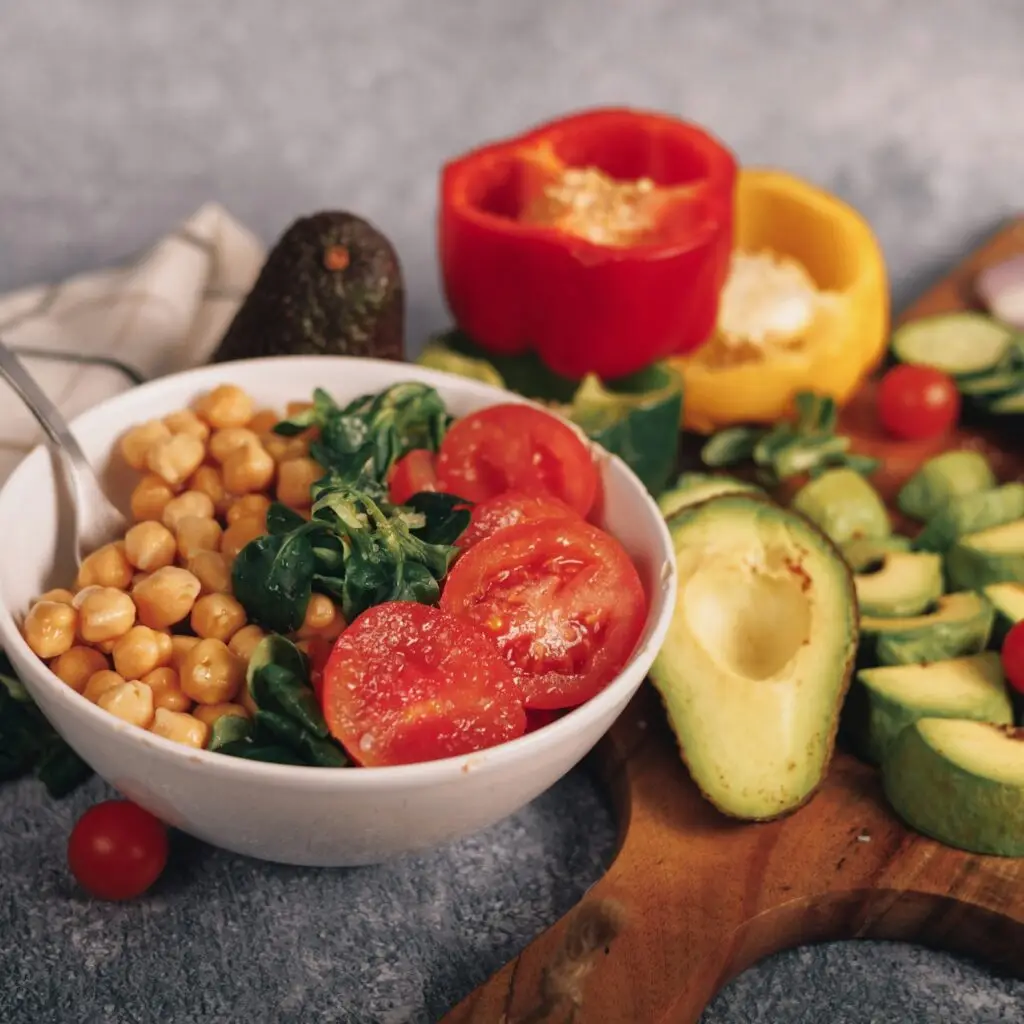
One of the easiest and most impactful changes you can make is to eat more plant-based foods. Plant-based diets typically have a smaller carbon footprint compared to diets heavy on animal products. They also tend to be rich in nutrients and fiber, which are great for your health.
- Swap it for: More vegetables, legumes, grains, and plant-based protein sources (like tofu, tempeh, and lentils).
- Why it works: Animal agriculture is a major contributor to greenhouse gas emissions, so eating less meat is one of the simplest ways to reduce your carbon footprint.
2. Go Local and Seasonal 🍂🥕
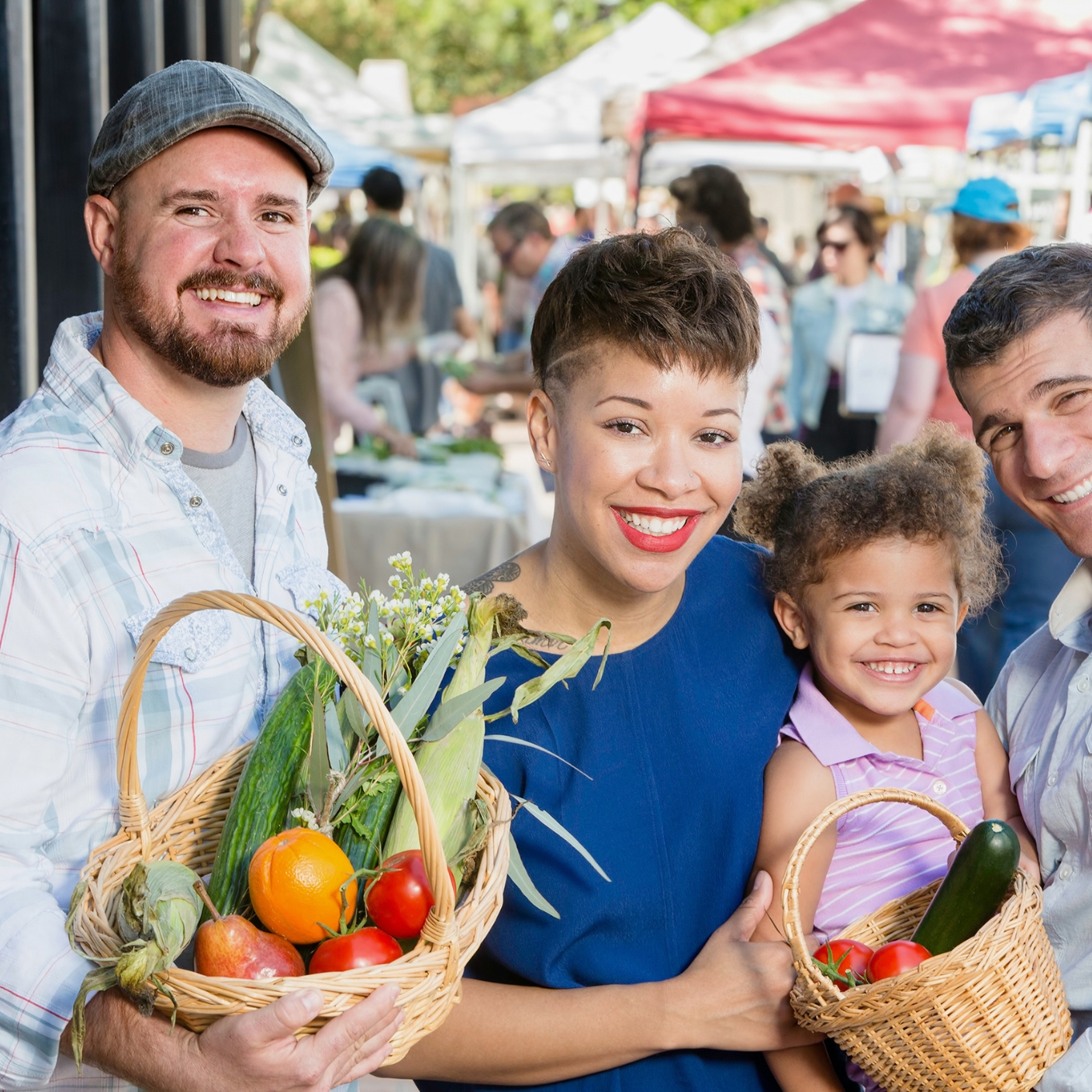
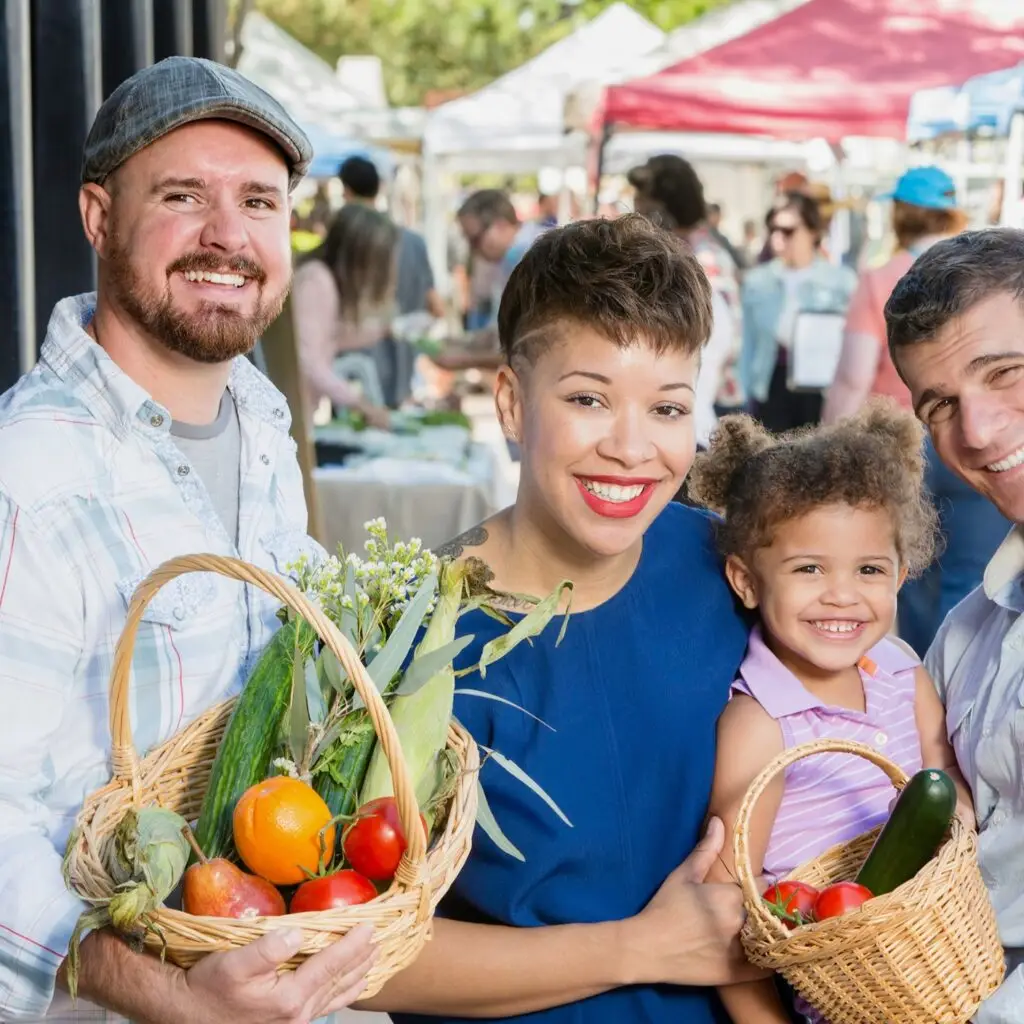
Buying local and seasonal produce helps reduce your carbon footprint by cutting down on the energy needed for transportation. Plus, seasonal produce is fresher, tastier, and more affordable.
- Swap it for: Local farmers’ market finds or produce from your community-supported agriculture (CSA) program.
- Bonus tip: Many stores and markets display seasonal produce prominently. Take advantage of that and shop according to the season!
3. Reduce Food Waste with Smart Storage and Leftovers 🥘🌿
In the U.S. alone, 40% of food goes to waste. That’s a staggering amount, considering how much food we could repurpose or save for later. One of the most sustainable things you can do is reduce your food waste by being strategic about leftovers and storage.
- Swap it for: Composting food scraps and using reusable storage containers.
- Why it works: Instead of throwing away excess food, repurpose it into new meals or snacks. Leftover veggie scraps can be used to make broth, and older fruits can be blended into smoothies.

4. Buy in Bulk to Cut Down on Packaging 🛒♻️
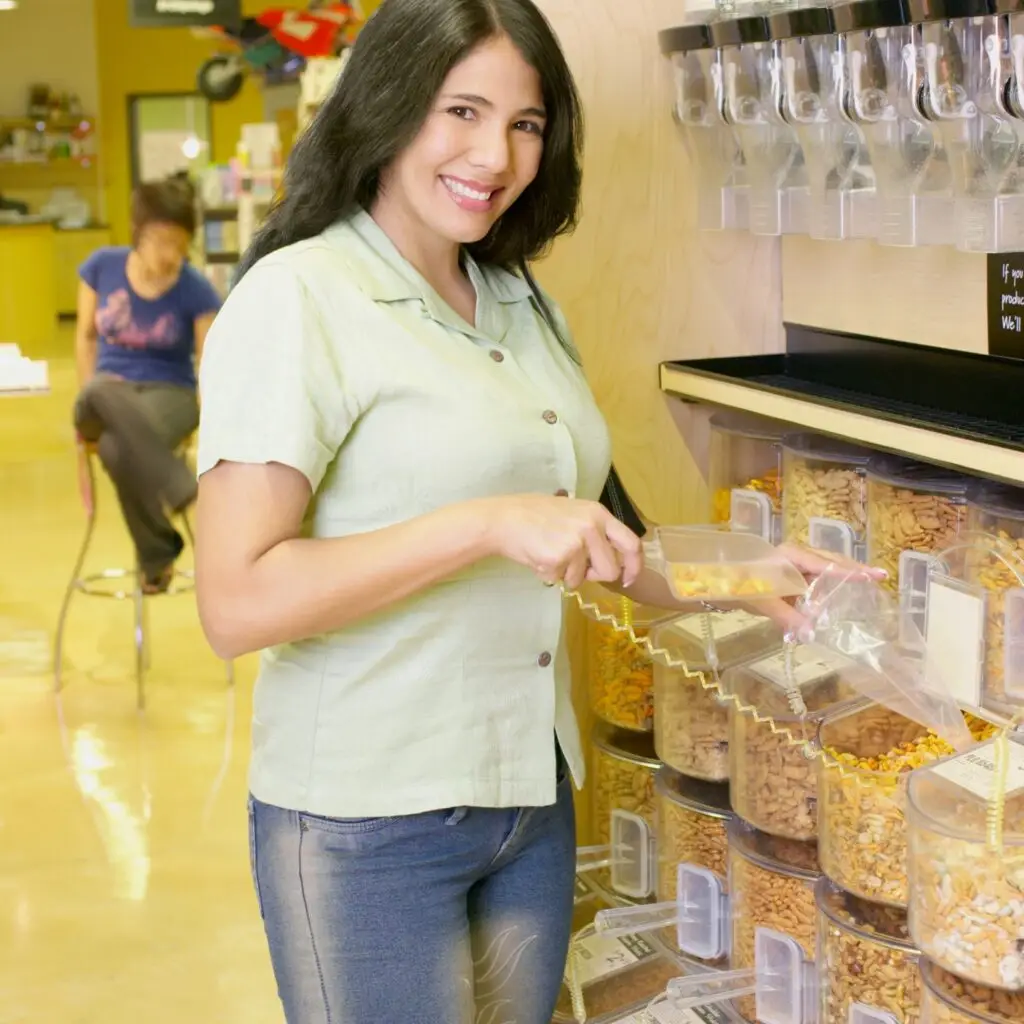
One of the biggest sources of waste in the food industry is excessive packaging. Buying in bulk helps you cut down on the plastic waste from single-use containers and bags. Plus, it’s often more cost-effective!
- Swap it for: Buying grains, nuts, spices, and even fresh produce in bulk.
- Bonus tip: Bring your own reusable bags or containers to the store to further reduce plastic waste.
5. Choose Eco-Friendly, Non-Toxic Cooking Tools 🍳🌱
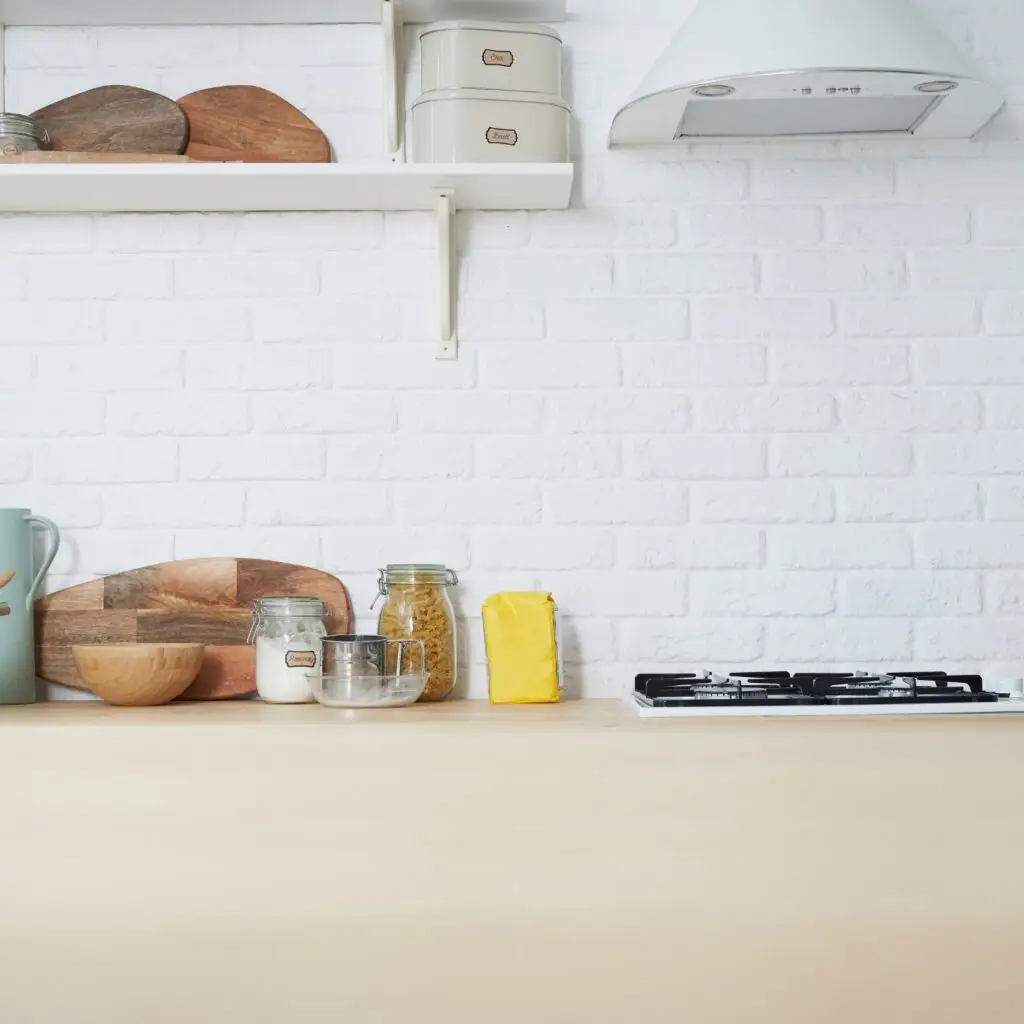
The kitchen is where sustainability can really shine. From cookware to cleaning products, there are countless opportunities to choose non-toxic and eco-friendly options. This reduces waste, prevents harmful chemicals from leaching into your food, and creates a healthier kitchen environment overall.
- Swap it for: Stainless steel or cast iron pots and pans, beeswax wraps instead of plastic wrap, and eco-friendly dish soaps.
- Why it works: Non-toxic cookware lasts longer and is better for your health, while reusable wraps and cleaning products help minimize plastic waste.
6. Drink Water—And Avoid Bottled Water 💧🌍
Plastic water bottles are a huge contributor to pollution. By switching to a reusable water bottle or drinking from the tap (if it’s safe), you can drastically cut down on plastic waste.
- Swap it for: A stainless steel or bamboo water bottle and a water filter if needed.
- Bonus tip: You can flavor your water naturally by adding fruits, herbs, or cucumbers for a refreshing twist!

7. Grow Your Own Food: Even a Small Garden Helps 🌿🌻
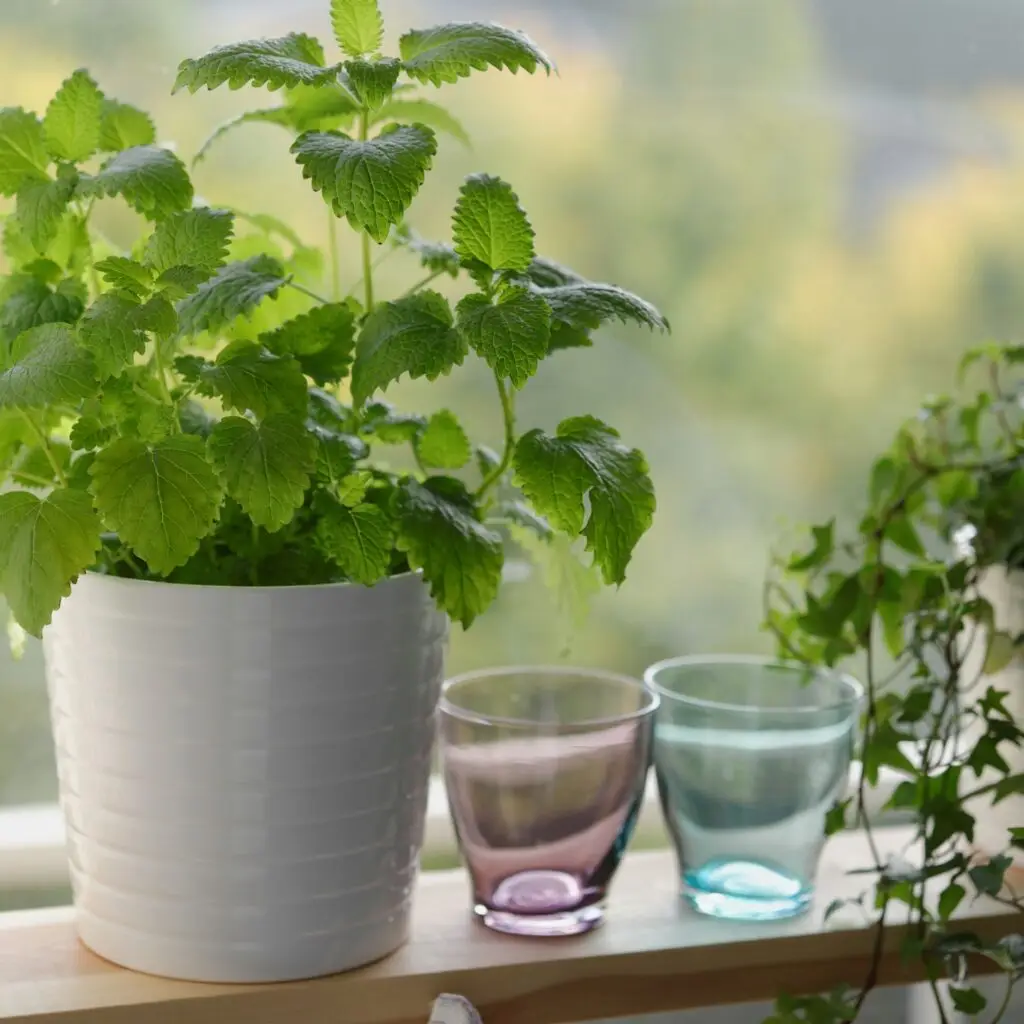
Starting a home garden is one of the best ways to ensure your food is fresh, local, and organic. Even if you live in an apartment, you can grow herbs, greens, and small veggies on a windowsill or balcony. Not only does this reduce your reliance on store-bought produce, but it also connects you to the earth in a meaningful way.
- Swap it for: Fresh herbs from your kitchen garden instead of store-bought ones.
- Bonus tip: If you don’t have space, check out vertical gardening ideas or community gardens in your area!
Let’s Build a Conscious Plate Together! 🌍💚
The journey to a more sustainable, eco-conscious eating routine doesn’t need to be overwhelming. By incorporating just a few of these tips, you can start building meals that not only nourish you but also nurture the planet. And remember, every small change counts!
What’s your favorite eco-friendly eating habit? Have you tried any of these tips? Share your thoughts in the comments below or tag us on social media using #PlanetIdeal.
Be sure to subscribe to our newsletter for more tips and tricks on how to eat sustainably and live greener.
At Planet Ideal, we’re on a mission to make sustainable living accessible for everyone. Our team of eco-enthusiasts writes short, snappy, and easy-to-digest articles designed to inspire real change without overwhelming. From practical tips to innovative ideas, we’re here to prove that living green can be stylish, convenient, and enjoyable. Join us as we empower individuals, families, and communities to embrace eco-friendly lifestyles—one step, one story, and one solution at a time.