A happy shopper walking out of a thrift store with eco-friendly shopping box full of clothing
Eco Travel & Adventure, Zero Waste Living

How to Plan a Zero-Waste Vacation (And Still Have Fun)

Vacations are meant to be relaxing, exciting, and a break from the ordinary—but what if they could also be eco-friendly? With a little planning and creativity, you can enjoy a memorable, zero-waste vacation without sacrificing fun or convenience. From packing smart to choosing sustainable accommodations, this guide will show you how to explore the world responsibly and reduce your environmental footprint.

A happy shopper walking out of a thrift store with eco-friendly shopping box full of clothing
Green Fashion, Sustainable Living Basics

Why Fast Fashion Is Killing the Planet—and How to Avoid It

Have you ever walked into a store, grabbed a trendy shirt for less than the price of a latte, and thought, “What a steal!”? You’re not alone. Fast fashion—the production of inexpensive, trendy clothing at lightning speed—has transformed the way we shop and dress. But behind its appealing prices and endless style options lies a massive problem: fast fashion is wreaking havoc on our planet.

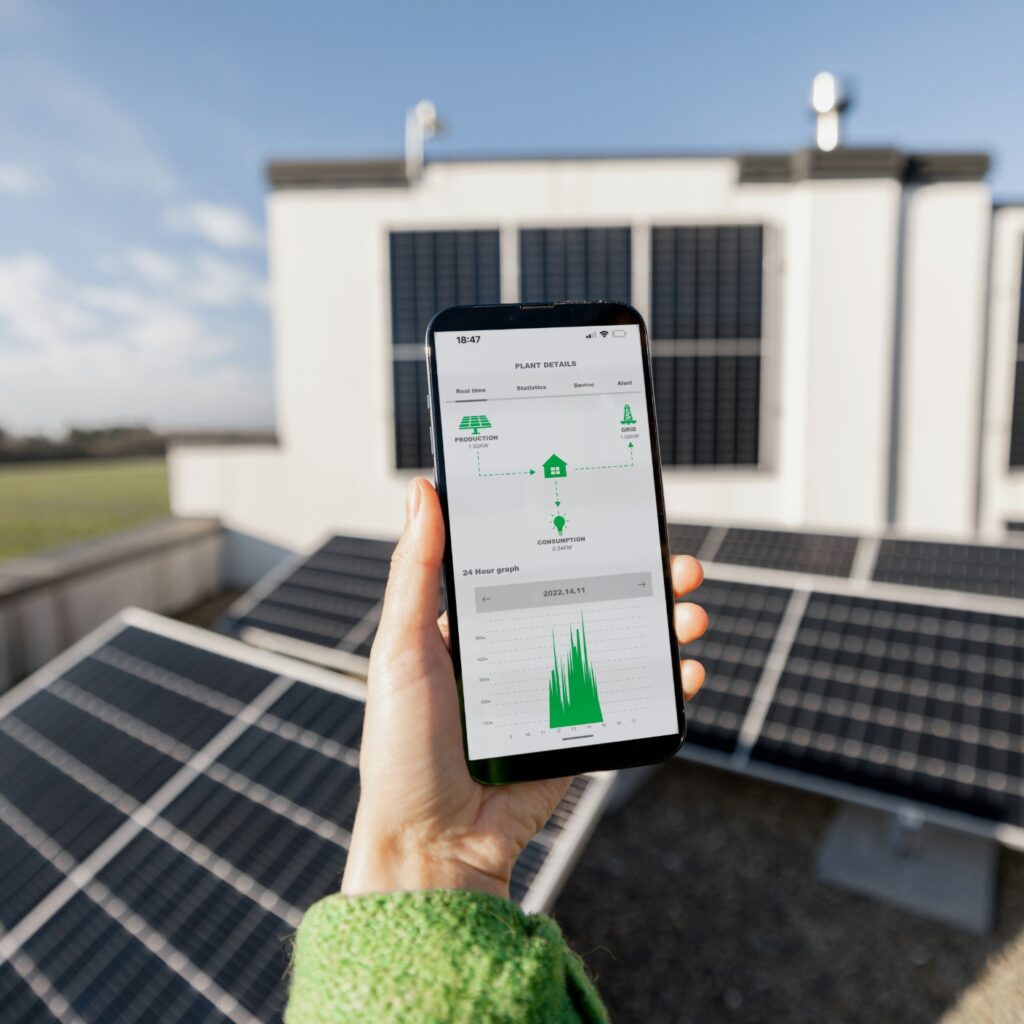
A homeowner using a smartphone app to monitor their solar energy production and usage.
Green Tech & Innovation

Why Green Innovation Is the Key to Saving the Planet

As the world grapples with climate change, resource depletion, and growing waste, one thing is clear: innovation will be at the heart of saving the planet. Green innovation—pioneering solutions that reduce environmental impact while promoting sustainability—is transforming industries, changing the way we live, and offering hope for a more eco-friendly future.

A model wearing a Reformation dress at an outdoor event
Ethical Brands & Business, Green Fashion

5 Ethical Fashion Brands You Need to Know About

The fashion industry is evolving. With growing awareness of its environmental and social impact, many shoppers are seeking alternatives to fast fashion. Ethical fashion brands offer a way to dress stylishly while making a positive difference. These companies prioritize fair labor, sustainable materials, and environmentally-friendly practices. In this post, we’ll explore five incredible ethical fashion brands you need to know about—and why they’re leading the way in sustainable style.

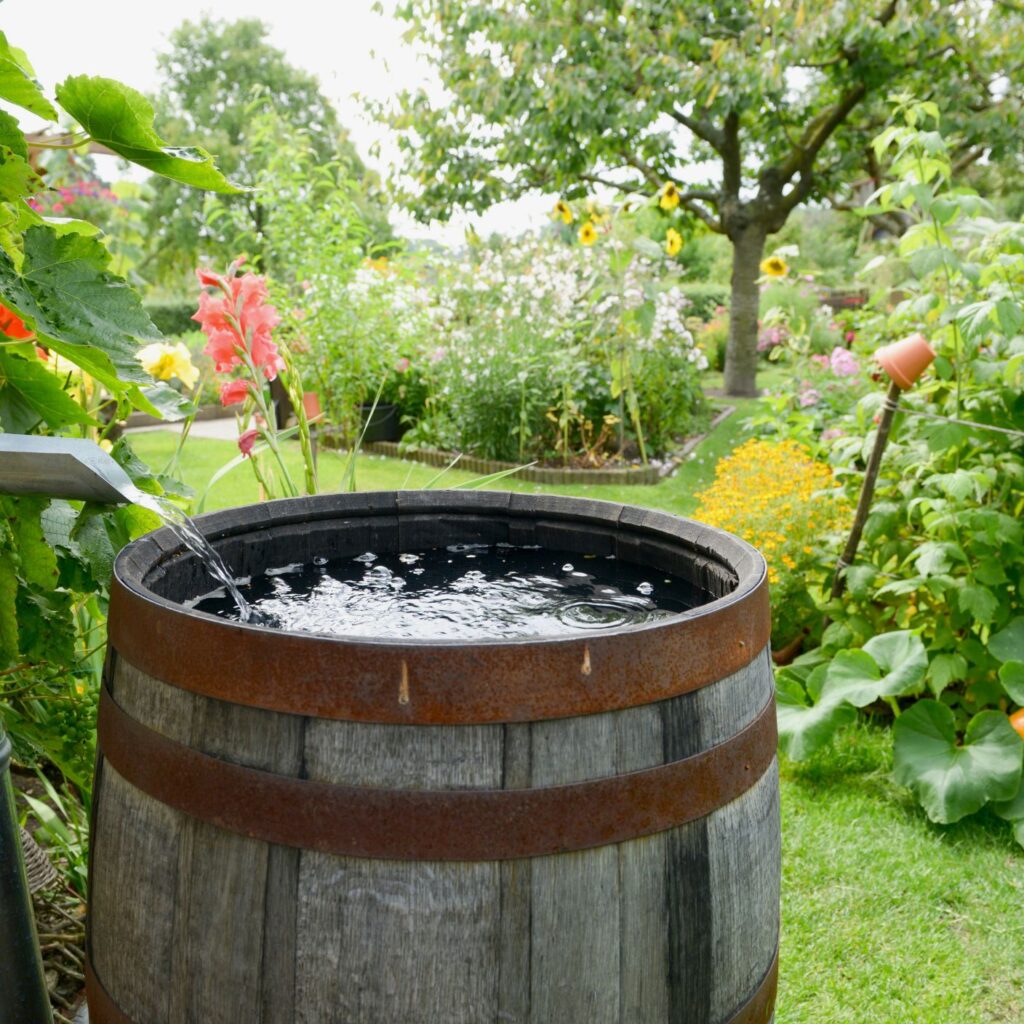
A lush backyard featuring native plants, a rainwater barrel, and mulch-covered flowerbeds
Eco-Friendly Home

7 Eco-Friendly Home Upgrades That Will Save You Money in the Long Run

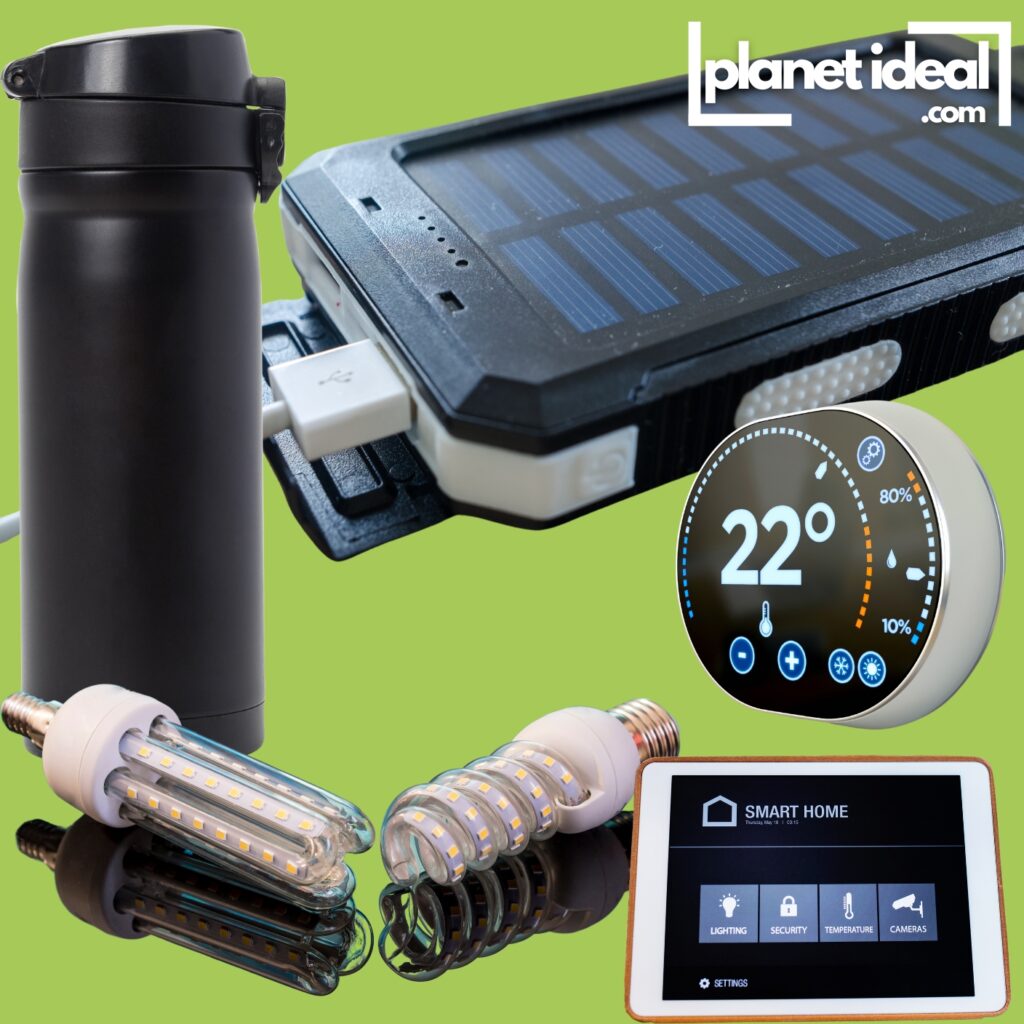
When it comes to sustainability, your home is the perfect place to start. Incorporating eco-friendly upgrades not only benefits the environment but can also significantly lower your utility bills and long-term expenses. The good news? Many of these changes require minimal effort but deliver maximum impact. Here’s a detailed look at seven eco-friendly home upgrades that will save you money while creating a greener living space. 1. Switch to Energy-Efficient Appliances One of the easiest ways to make your home more sustainable is by upgrading to energy-efficient appliances. Why It’s Worth It Investment Payback While these appliances may have a higher upfront cost, the savings on energy bills typically cover the difference within a few years. 2. Install Solar Panels Solar panels are a powerhouse when it comes to eco-friendly upgrades, offering substantial savings over time. How Solar Panels Save You Money Long-Term Impact Although the initial installation cost is high, solar panels can pay for themselves within 5–10 years while continuing to provide free energy for decades. 3. Upgrade to LED Lighting Lighting is a small but impactful upgrade. Switching to LED bulbs is one of the simplest and most affordable ways to reduce energy use. Why LEDs are a Smart Choice Immediate Savings LEDs provide almost instant reductions in your electricity bills, making this a quick win for eco-friendly living. 4. Add a Smart Thermostat Smart thermostats are game-changers when it comes to energy efficiency. Benefits of a Smart Thermostat Why It’s Eco-Friendly By optimizing energy use, smart thermostats lower your home’s carbon footprint. 5. Insulate Your Home Proper insulation is essential for maintaining comfortable temperatures and reducing energy waste. Key Areas to Insulate Cost and Savings While insulation upgrades may cost a few thousand dollars, they can reduce heating and cooling bills by up to 20%. 6. Install Low-Flow Fixtures Water conservation is a critical component of sustainable living, and low-flow fixtures are an easy solution. Eco-Friendly Options How It Saves You Money Lower water usage means smaller water bills, and the reduced demand on water heaters saves energy. 7. Invest in Sustainable Landscaping Your yard can be a source of significant eco-friendly savings with thoughtful landscaping. Sustainable Landscaping Ideas Long-Term Benefits Eco-friendly landscaping reduces water bills and maintenance costs while boosting curb appeal. How to Get Started Implementing these eco-friendly upgrades doesn’t have to happen all at once. Start with smaller, more affordable changes, like switching to LED bulbs or installing a smart thermostat. Over time, you can tackle bigger projects like solar panels or insulation as your budget allows. The cumulative impact of these upgrades will not only save you money but also reduce your environmental footprint, creating a win-win for you and the planet.

Neatly arranged glass meal prep containers
Sustainable Living Basics

Eco-Friendly Living for Busy People: 7 Easy, Time-Saving Tips

Living sustainably often seems overwhelming, especially when you’re juggling work, family, and a million other responsibilities. However, being eco-friendly doesn’t have to mean spending hours composting or handwashing laundry. With a few smart strategies, you can reduce your environmental impact while saving time and energy. Here are seven practical, time-saving tips for busy people looking to embrace eco-friendly living without the hassle. 1. Streamline Recycling with a Simple System Recycling doesn’t have to be a chore. A well-organized system can save you time and ensure you’re doing your part to reduce waste. How to Simplify Recycling Why It’s Time-Saving A streamlined system minimizes confusion and reduces the time spent sorting later. 2. Shop Smarter with a Green Grocery List Grocery shopping can be both eco-friendly and time-efficient with a little planning. Tips for Greener Grocery Shopping Time-Saving Bonus By planning meals ahead and sticking to your list, you can avoid impulse buys and make quicker decisions. 3. Make Energy Efficiency Automatic Cutting down on energy use doesn’t have to require constant effort. Automating energy-saving practices ensures your home is eco-friendly without you having to think about it. Easy Energy Efficiency Hacks Why It’s Time-Saving Once set up, these systems require little to no ongoing maintenance, freeing up your time for other tasks. 4. Meal Prep the Sustainable Way Busy schedules often lead to takeout and prepackaged meals, which generate excess waste. Meal prepping is a great alternative that saves time, money, and resources. Eco-Friendly Meal Prep Tips The Eco-Time Advantage Prepping meals ahead means fewer last-minute food decisions and less waste from single-use containers. 5. Declutter and Donate for a Greener Home Decluttering isn’t just good for your mental health; it also supports sustainable living. How to Declutter Sustainably Time-Saving Aspect A clutter-free home is easier to clean and manage, saving you precious time every day. 6. Switch to Eco-Friendly Cleaning Products Traditional cleaning products often contain harmful chemicals and come in wasteful packaging. Eco-friendly options are better for the planet and often more efficient. Green Cleaning Made Easy Why It’s Time-Saving Fewer products mean less clutter under your sink and quicker clean-up routines. 7. Choose Low-Maintenance, Sustainable Habits Incorporate eco-friendly practices that don’t require extra effort or planning. Effortless Habits for Busy People Time-Saving Factor Once these habits are part of your routine, they’ll save you time and money in the long run. The Big Picture: Small Changes, Big Impact Eco-friendly living doesn’t have to be complicated or time-consuming. By making small, thoughtful changes to your daily routine, you can reduce your environmental impact while still managing a busy schedule. Start with one or two tips from this list and build on them over time. Each step brings you closer to a more sustainable, balanced lifestyle—and shows that anyone, no matter how busy, can make a difference.

Carbon Footprint
Sustainable Living Basics

How to Cut Your Carbon Footprint in 5 Easy Steps

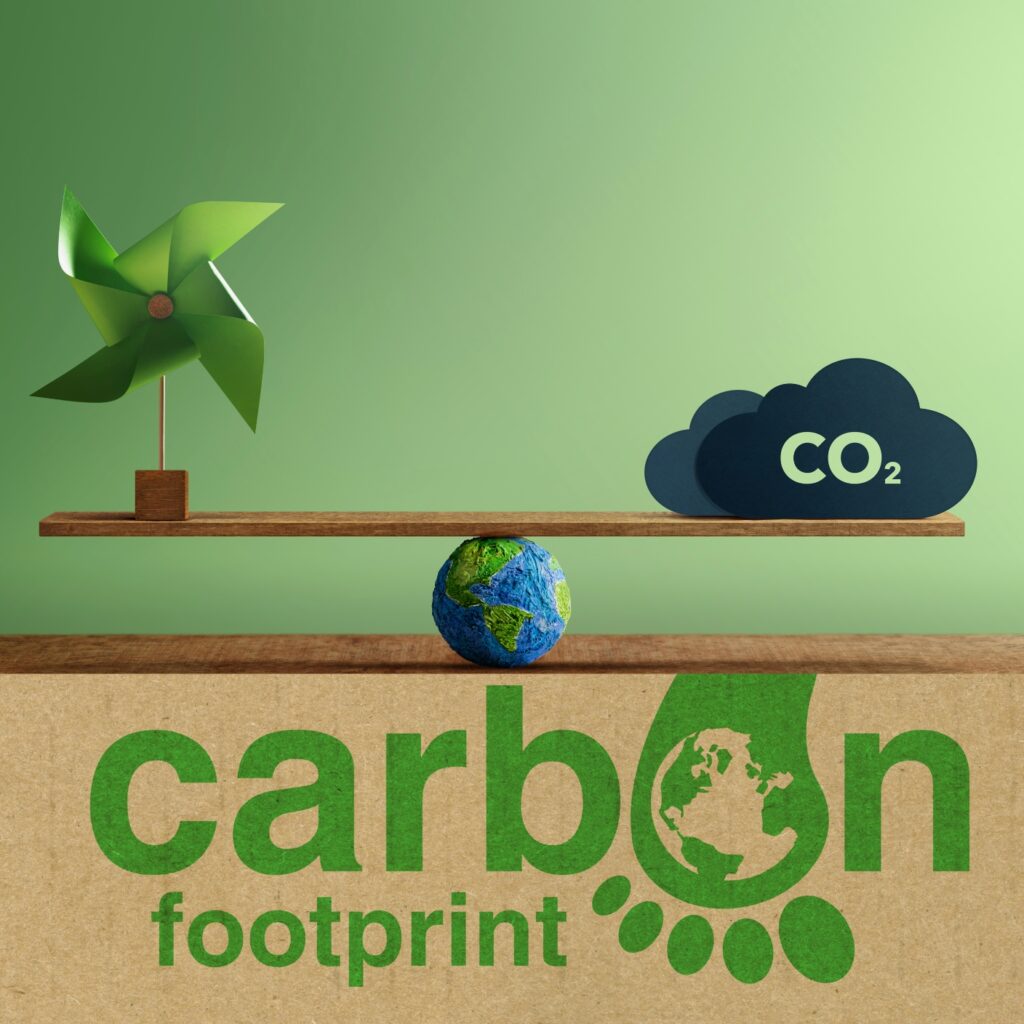
In today’s world, reducing your carbon footprint is not just an environmentally conscious choice—it’s an essential step in combating climate change and ensuring a healthier planet for future generations. The good news? You don’t have to overhaul your entire lifestyle to make an impact. Small, actionable steps can lead to significant changes in your carbon emissions. This guide will walk you through five straightforward ways to minimize your carbon footprint, offering tips that are easy to implement and impactful over the long term. 1. Calculate and Understand Your Carbon Footprint Before you can reduce your carbon footprint, it’s essential to understand what it is and how it’s measured. What Is a Carbon Footprint? A carbon footprint represents the total greenhouse gas emissions caused by your actions, lifestyle, and consumption. This includes everything from the energy you use at home to the transportation methods you choose. How to Calculate Your Carbon Footprint Use free online calculators, such as the ones provided by the EPA or WWF, to estimate your annual carbon emissions. These tools factor in your energy consumption, transportation habits, diet, and shopping patterns. Why Understanding It Matters Knowing the areas where you emit the most carbon helps you focus on making meaningful changes. For example, if transportation makes up a significant portion of your footprint, you can prioritize carpooling or biking. 2. Optimize Your Transportation Choices Transportation is one of the largest contributors to carbon emissions. Switching up your travel habits can have a major impact. Choose Low-Carbon Commutes Fly Smarter Switch to an Electric Vehicle (EV) EVs produce significantly less carbon over their lifetime compared to traditional gas-powered cars. If a new EV isn’t in your budget, explore hybrid models or focus on maintaining your current vehicle for better efficiency. 3. Make Your Home Energy-Efficient Your home is a significant source of carbon emissions, primarily through heating, cooling, and electricity use. Upgrade to Energy-Efficient Appliances When it’s time to replace household items, choose Energy Star-certified appliances that use less electricity and water. Improve Insulation Proper insulation reduces the need for excessive heating in winter and cooling in summer, cutting down energy use. Adopt Smart Technology Switch to Renewable Energy If possible, transition your home to renewable energy sources like solar or wind power. Even subscribing to green energy programs through your utility provider can help reduce your carbon footprint. 4. Rethink Your Diet and Food Choices The food you eat has a direct impact on your carbon emissions, from production to transportation. Go Plant-Based Plant-based diets generally produce fewer emissions than diets rich in meat and dairy. Even adopting “Meatless Mondays” can make a difference. Buy Local and Seasonal Locally-sourced food requires less transportation, while seasonal produce avoids the high energy costs of greenhouses and cold storage. Minimize Food Waste Wasted food often ends up in landfills, where it releases methane—a potent greenhouse gas. To cut down on waste: 5. Reduce, Reuse, Recycle The three R’s—Reduce, Reuse, Recycle—are foundational to a low-carbon lifestyle. Reduce Consumption Buy only what you truly need. Overconsumption not only generates waste but also contributes to emissions through production and transportation. Reuse Whenever Possible Recycle Correctly Know your local recycling guidelines to ensure you’re recycling properly. Contaminated items can render entire batches of recycling unusable. Support Circular Economy Brands Choose companies that prioritize sustainable practices, such as using recycled materials in their products or adopting zero-waste policies. Small Changes, Big Impact Cutting your carbon footprint doesn’t have to mean sacrificing convenience or comfort. By making thoughtful changes in your daily life, you can significantly reduce your environmental impact while setting an example for others. Ready to start reducing your carbon footprint? Take one step today—whether it’s calculating your emissions, biking to work, or opting for plant-based meals—and see how easy it can be to make a difference.

A windowsill lined with potted herbs and vibrant houseplants
Eco-Friendly Home

How to Make Your Home More Sustainable Without Breaking the Bank

Living sustainably doesn’t have to come with a hefty price tag. In fact, many eco-friendly changes can save you money in the long run while reducing your environmental footprint. Whether you’re renting a small apartment or owning a sprawling home, there are plenty of budget-friendly steps you can take to make your living space greener. Let’s explore actionable, cost-effective strategies to create a more sustainable home without stretching your wallet. 1. Optimize Energy Usage One of the simplest ways to start your sustainability journey is by reducing energy consumption. Small changes in your daily habits and a few low-cost upgrades can make a significant difference. Unplug Unused Devices Many appliances and devices draw power even when turned off. This “phantom load” can add up over time. Unplug chargers, TVs, and other electronics when not in use. Install Energy-Efficient Bulbs Switch to LED or CFL light bulbs, which use up to 75% less energy than traditional bulbs and last significantly longer. Seal Drafts Use weatherstripping or caulk to seal gaps around windows and doors. This prevents heat from escaping in winter and keeps your home cooler in summer. 2. Reduce Water Waste Conserving water is another critical component of a sustainable home. Simple changes can lower your water bills while conserving this precious resource. Fix Leaks A dripping faucet may seem insignificant, but it can waste gallons of water daily. Fix leaks promptly to avoid unnecessary waste. Install Low-Flow Fixtures Switch to low-flow showerheads and faucets to reduce water usage without sacrificing performance. Collect Rainwater Place a rain barrel outside to collect water for gardening. It’s an easy way to repurpose natural resources. 3. Embrace DIY Cleaning Products Many store-bought cleaning products contain harmful chemicals and come in single-use plastic containers. Making your own is cheaper and safer for the environment. All-Purpose Cleaner Recipe Mix white vinegar, water, and a few drops of essential oil in a reusable spray bottle for an effective, natural cleaner. 4. Furnish Sustainably Sustainable furniture doesn’t have to mean expensive purchases. There are plenty of ways to furnish your home in an eco-friendly way without breaking the bank. Shop Second-Hand Explore thrift stores, flea markets, and online platforms like Facebook Marketplace for pre-loved furniture. Repurpose and Upcycle Turn an old wooden pallet into a coffee table or use wine crates as storage boxes. 5. Green Your Indoor Space Adding greenery to your home not only improves air quality but also creates a calming environment. Grow Houseplants Choose low-maintenance plants like pothos, snake plants, or succulents that thrive indoors. Start a Kitchen Garden Grow herbs like basil, mint, or parsley on your windowsill for fresh, organic flavors at your fingertips. 6. Reduce Waste in the Kitchen The kitchen is a major source of household waste. Adopting zero-waste practices can significantly cut down on what you throw away. Switch to Reusables Use cloth towels instead of paper towels, silicone lids instead of plastic wrap, and beeswax wraps for food storage. Compost Scraps Start a compost bin for vegetable peels, coffee grounds, and other organic waste. It’s a fantastic way to enrich soil while reducing landfill waste. 7. Use Renewable Energy (Even on a Budget) While installing solar panels might be out of reach for some, there are smaller steps you can take to harness renewable energy. Enroll in Green Energy Programs Check with your utility provider to see if they offer renewable energy plans. Portable Solar Chargers Invest in a small solar charger to power your devices. 8. Get Smart About Recycling Recycling correctly can divert significant waste from landfills. However, contamination often undermines these efforts. Sort Your Recycling Learn which materials your local facility accepts and clean them before recycling. Creative Reuse Turn glass jars into storage containers or transform cardboard into crafts. 9. Focus on Energy-Efficient Appliances While this may require some initial investment, energy-efficient appliances pay off over time through reduced utility bills. Look for Energy Star Ratings When it’s time to replace an appliance, choose one with an Energy Star label for guaranteed efficiency. Maintain Existing Appliances Clean filters and maintain appliances to ensure they operate efficiently. 10. Involve the Whole Family Sustainability is a team effort. Get everyone involved to make lasting changes. Create Challenges Who can take the shortest shower or find the most creative way to upcycle something? Educate Through Fun Watch documentaries, play eco-themed games, or take nature walks to inspire eco-consciousness in kids.

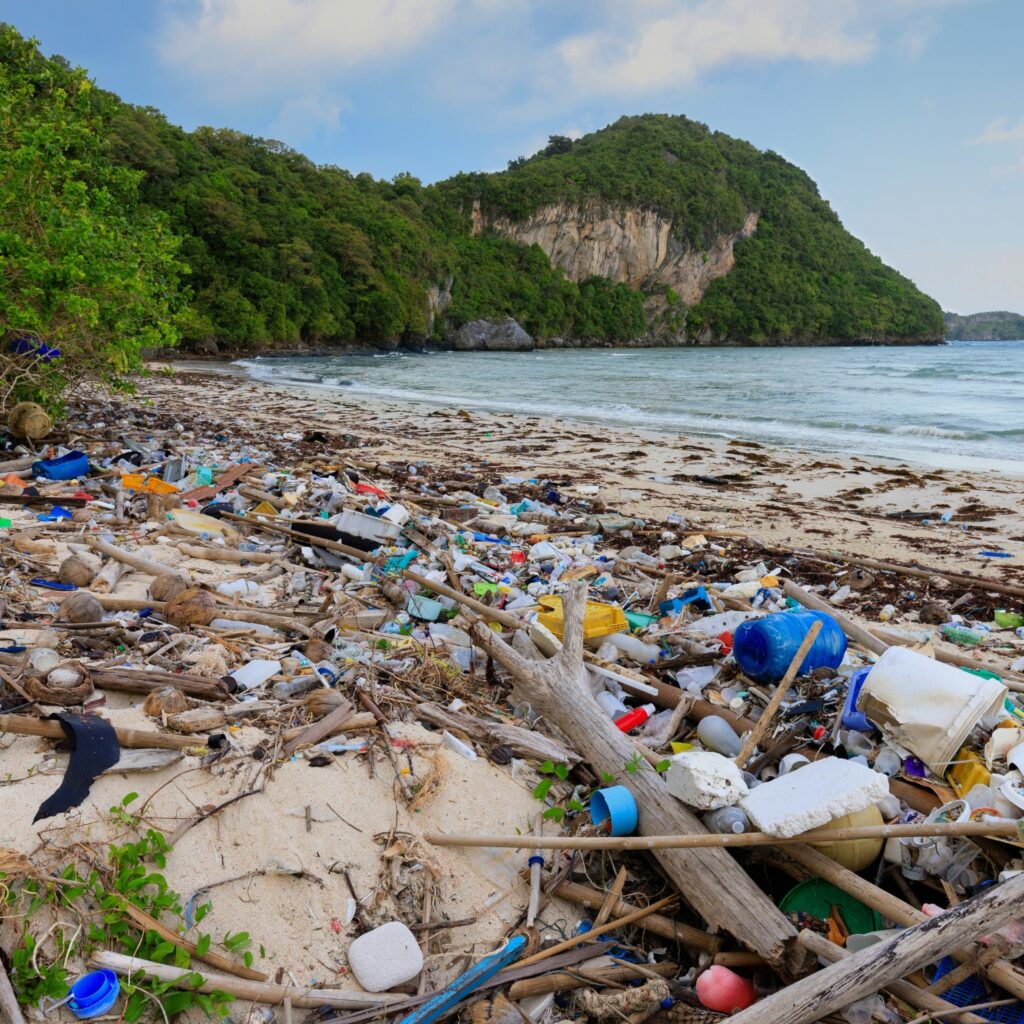
A striking image of a beach littered with plastic waste, juxtaposed with a clean, pristine shoreline
Zero Waste Living

How to Reduce Single-Use Plastics and Live Waste-Free

In a world drowning in disposable plastics, the need to reduce single-use plastics is more urgent than ever. From straws and bags to cups and packaging, these items are wreaking havoc on our environment—and it’s time we take a stand. Transitioning to a waste-free lifestyle might seem daunting, but with the right steps, it’s entirely achievable. Let’s explore how you can ditch single-use plastics, embrace zero waste, and make a lasting impact on the planet. Why Single-Use Plastics Must Go Single-use plastics are designed for convenience, but their environmental cost is devastating: The solution? Eliminate single-use plastics from our lives and embrace sustainable alternatives. How to Identify Single-Use Plastics in Your Life Start by taking stock of your daily habits. Common culprits include: Once you know where plastic sneaks into your life, you can plan effective alternatives. 5 Simple Swaps to Eliminate Single-Use Plastics 1. Switch to Reusable Bags Carry cloth or tote bags for groceries and errands. Many stores even offer discounts for bringing your own bags. 2. Opt for a Reusable Water Bottle Plastic water bottles are among the top pollutants. Invest in a stainless steel or glass water bottle. 3. Carry Reusable Utensils and Straws Ditch plastic forks, spoons, and straws. Portable utensil kits and stainless-steel or bamboo straws are excellent options. 4. Embrace Plastic-Free Food Storage Replace cling wrap and plastic containers with: 5. Choose Bulk and Refill Options Buy groceries in bulk and refill items like shampoo, detergent, and cleaning supplies at zero-waste stores. The Bigger Picture: Advocating for Change While individual actions matter, systemic change is essential to combat the plastic crisis. Here’s how you can contribute: Why Zero Waste is Worth It Living waste-free may take effort, but the benefits are immense: Take the First Step Today Start small, stay consistent, and watch as your zero-waste journey transforms your life. By reducing single-use plastics, you’re not just creating a cleaner home—you’re shaping a better future for generations to come. We’d love to hear about your journey! Share your zero-waste tips and successes with us on social media using #PlasticFreeLiving and tag us to inspire others.

A happy shopper walking out of a thrift store with eco-friendly shopping box full of clothing
Green Fashion

How to Shop Second-Hand Fashion Like a Pro (And Save Big!)

In a world where sustainability and affordability are becoming increasingly important, shopping second-hand is a win-win solution. From discovering unique wardrobe gems to significantly reducing your environmental footprint, second-hand fashion offers endless possibilities. But if you’re new to thrifting or vintage shopping, diving into the world of pre-loved fashion can feel overwhelming. Fear not! This guide will teach you how to shop second-hand like a pro, find fabulous pieces, and save big in the process. Why Second-Hand Fashion Matters Second-hand shopping is more than just a trend; it’s a movement towards a more sustainable future. By buying pre-loved items, you: Did you know? The fashion industry is the second-largest polluter in the world, after oil. Opting for second-hand helps combat this statistic. Pro Tips for Second-Hand Shopping Success 1. Plan Ahead Before heading out or browsing online, know what you’re looking for. Whether it’s a classic leather jacket, vintage denim, or a floral dress, having a goal in mind will keep you focused. 2. Research the Best Spots Not all second-hand stores are created equal. Explore a mix of options: 3. Inspect Before You Buy Always check for: A little wear is fine, but you want to avoid costly repairs. 4. Think Alterations If an item doesn’t fit perfectly, consider altering it. A tailor can transform oversized pieces or outdated cuts into trendy, flattering outfits. 5. Shop Off-Season Buy coats in summer and sundresses in winter. Off-season shopping means less competition and often lower prices. 6. Be Open-Minded Second-hand stores are treasure troves. Keep an open mind, and you might discover unexpected gems. Experiment with bold patterns, retro styles, or unique accessories you wouldn’t find elsewhere. Benefits Beyond the Bargain Shopping second-hand isn’t just about saving money—it’s about embracing a lifestyle of sustainability and creativity. Each piece you find has a story, and wearing pre-loved clothing contributes to a greener planet while adding individuality to your wardrobe. Start Thrifting Like a Pro Today! Ready to give second-hand shopping a try? Whether you’re hunting for vintage treasures, budget-friendly basics, or designer steals, remember that every purchase is a step toward a more sustainable future. We’d love to hear about your thrifting adventures! Share your favorite second-hand finds on social media using #SecondHandStyle and tag us. Let’s inspire others to join the movement!

A scenic train winding through mountains
Eco Travel & Adventure

How to Travel Sustainably Without Giving Up the Adventure

Traveling is a gateway to new cultures, breathtaking landscapes, and unforgettable experiences. However, the carbon footprint of tourism often comes at a high cost to the planet. The good news? You don’t have to sacrifice adventure to embrace eco-friendly practices while exploring the world. With a few mindful strategies, you can embark on thrilling journeys that leave a positive impact on the planet and local communities. Let’s dive into how to travel sustainably without compromising the excitement and joy of discovery. The Rise of Sustainable Travel Sustainable travel, also known as ecotourism or eco-travel, is about minimizing your environmental impact and supporting the local communities you visit. Whether it’s staying at eco-lodges, reducing plastic waste, or choosing low-carbon transportation options, every small change contributes to a healthier planet. Fun fact: According to the Global Sustainable Tourism Council, sustainable travel has grown by over 25% in the past decade, as more people recognize the need to preserve the planet while satisfying their wanderlust. Tips for Traveling Sustainably 1. Choose Eco-Friendly Accommodations Look for hotels, resorts, or lodges certified by organizations like Green Key or LEED. These accommodations often use renewable energy, minimize waste, and support local economies. 2. Opt for Low-Carbon Transportation Air travel has a significant carbon footprint, but there are ways to minimize its impact: Better yet, explore your destination by bike or on foot—it’s healthier, cheaper, and more immersive. 3. Pack Light and Smart Every pound counts when it comes to transportation emissions. Pack only what you need, and include eco-friendly travel essentials such as: Packing light also makes moving around more convenient! 4. Support Local Economies Sustainable travel isn’t just about protecting the environment; it’s also about empowering communities. Shop at local markets, dine at family-owned restaurants, and book tours run by local guides. 5. Minimize Waste While Traveling Bring reusable items to avoid single-use plastics, such as: When disposing of waste, research recycling practices at your destination to ensure proper disposal. 6. Respect Wildlife and Natural Habitats Wildlife tourism can be thrilling, but ensure it’s ethical: 7. Offset Your Carbon Footprint Offsetting programs allow you to compensate for your travel emissions by investing in environmental projects. Popular options include reforestation initiatives and renewable energy development. Why Ecotourism is Worth It Ecotourism travel isn’t just about reducing harm; it’s about creating positive change. By traveling sustainably, you can: Top Destinations for Sustainable Travel Embrace the Joy of Sustainable Travel Traveling sustainably doesn’t mean giving up on adventure. Instead, it enhances your journey by fostering deeper connections with nature, culture, and community. Every eco-conscious choice you make contributes to preserving the beauty of our planet. Are you ready to explore the world the eco-friendly way? Share your sustainable travel tips and experiences in the comments below, or tag us with #EcoTravelAdventures. Let’s inspire others to embark on greener journeys!

A cozy balcony garden with a chair, a book, and a cup of tea
Personal Well-Being & Sustainability, Sustainable Living Basics

How Green Living Can Help You Achieve Better Work-Life Balance

Balancing work and life can feel like a juggling act, especially in our fast-paced world. But what if adopting a green lifestyle could not only help the planet but also simplify your routine, improve your mental well-being, and create a more harmonious work-life balance? Embracing eco-friendly practices can encourage mindfulness, reduce stress, and provide opportunities for personal growth. Let’s explore how green living can positively impact your daily life and help you strike that perfect balance. Why Green Living Enhances Work-Life Balance Green living is rooted in simplicity and sustainability, focusing on living with intention and reducing unnecessary clutter—both physical and mental. These principles naturally align with the goals of achieving work-life balance, offering benefits such as: 5 Ways Green Living Supports Work-Life Balance 1. Simplify Your Space with Sustainable Decluttering A clutter-free environment can significantly boost your focus and productivity. Start by adopting eco-friendly decluttering methods like donating unused items or upcycling old furniture. 2. Integrate Nature into Your Routine Spending time outdoors is scientifically proven to reduce stress and boost creativity. Try incorporating green activities into your schedule, such as gardening or walking to work. 3. Practice Mindful Consumption Choosing quality over quantity is a core principle of green living. Invest in durable, eco-friendly items that save you time and money in the long run. This mindset can spill over into other areas, like prioritizing meaningful work and relationships. 4. Balance Work and Exercise with Green Commuting Cycling or walking to work offers dual benefits: it’s good for the environment and your health. If remote work is an option, use the saved commuting time to start an eco-friendly project, like meal prepping sustainable lunches. 5. Cook and Eat Mindfully Preparing seasonal, plant-based meals can become a relaxing routine that brings balance to your day. Cooking from scratch not only reduces your carbon footprint but also fosters mindfulness and a deeper connection to your food. Achieving Harmony Through Green Lifestyles The principles of green living—mindfulness, sustainability, and simplicity—provide a framework for achieving balance in all aspects of life. By reducing waste, living intentionally, and making eco-friendly choices, you can create a lifestyle that supports both your personal well-being and the health of the planet. Call to Action Are you ready to embrace a greener lifestyle for better work-life balance? Share your journey in the comments or tag us on social media with #GreenLifeBalance. Let’s inspire each other to live sustainably and harmoniously.

A photo of Seed Phytonutrients products displayed alongside a small potted plant
Eco-Friendly Home, Green Fashion, Personal Well-Being & Sustainability

Best Sustainable Shampoo and Beauty Products for an Eco-Friendly Routine

When it comes to personal care, sustainability is becoming a top priority for many. The beauty industry, often criticized for its excessive use of plastics and chemicals, is now embracing eco-conscious innovations. From shampoo bars to refillable makeup, you can now look great while minimizing your environmental footprint. In this post, we’ll spotlight some of the best sustainable shampoo options and beauty products that are kind to the planet—and your skin. Why Choose Sustainable Beauty? Sustainable beauty focuses on minimizing waste, using eco-friendly packaging, and sourcing natural or organic ingredients. Choosing sustainable products helps: The Best Sustainable Shampoos 1. Ethique Shampoo Bars Ethique’s shampoo bars are a game-changer for reducing waste. Made with natural ingredients, these bars come in compostable packaging and last as long as three bottles of liquid shampoo. They’re perfect for travel, too! 2. Plaine Products Plaine Products offers refillable aluminum bottles of liquid shampoo and conditioner. When you’re done, you can return the bottles for a refill, creating a closed-loop system that eliminates waste. 3. Seed Phytonutrients This brand uses sustainable packaging made from post-consumer recycled paper and offers plant-based shampoos that are free of parabens and sulfates. Bonus: Each product comes with a packet of seeds to plant! Sustainable Beauty Products to Love 1. Elate Cosmetics Elate Cosmetics focuses on refillable packaging and uses bamboo and aluminum instead of plastic. Their makeup palettes and lipsticks are not only chic but also completely waste-free. 2. RMS Beauty RMS Beauty’s products are made with organic, food-grade ingredients and come in recyclable glass pots. Their cult-favorite “Un” Cover-Up concealer is a must-try for glowing skin. 3. Meow Meow Tweet Deodorants This quirky brand offers natural deodorants in compostable paper tubes. They’re vegan, cruelty-free, and available in delightful scents like grapefruit and lavender. 4. Herbivore Botanicals Herbivore offers a range of skincare products with glass packaging and plant-based ingredients. Their Blue Tansy Resurfacing Mask is a cult favorite for smooth, glowing skin. 5. Axiology Lip-to-Lid Balmies These versatile crayons can be used as lip color, blush, or eyeshadow. They come in paper packaging with no plastic waste at all. How to Transition to Sustainable Beauty Making a Difference, One Product at a Time Switching to sustainable beauty products is an easy way to make a significant impact on the environment. By supporting brands that prioritize sustainability, you’re contributing to a greener planet and a cleaner beauty routine. Plus, many of these products are made with high-quality, natural ingredients that are better for your skin and hair. Ready to make the switch? Share your favorite sustainable beauty finds in the comments or on social media using #PlanetIdealBeauty. Let’s inspire each other to create routines that are beautiful inside and out.

A stark contrast between a landfill overflowing with plastic waste and a clean, green environment with plants and wildlife
Zero Waste Living

Zero Waste 101: How to Get Started and Why It’s Worth It

Adopting a zero waste lifestyle can feel overwhelming at first, but trust me—it’s more than worth it. Whether you’re motivated by the environment, the idea of saving money, or just looking for a simpler, cleaner lifestyle, zero waste living is a powerful choice that has the potential to make a massive difference. The best part? It doesn’t have to be all or nothing. Small, intentional changes can add up, and every step forward counts. In this post, we’ll walk through the basics of zero waste living, why it’s worth your time and effort, and give you simple, actionable steps to help you get started. What is Zero Waste Living? Zero waste living is about minimizing waste by rethinking how we consume, how we dispose of things, and how we approach sustainability in our everyday lives. It’s a philosophy that encourages us to reduce, reuse, recycle—and rethink our purchasing habits. The goal isn’t necessarily to produce zero waste (though that’s the ultimate aim), but to drastically cut down on the waste that ends up in landfills. Key principles of zero waste living include: Why Zero Waste is Worth It 1. Environmental Impact The environmental benefits of adopting a zero waste lifestyle are profound. By reducing our consumption, we help to reduce landfill waste, which in turn decreases the amount of toxic materials in the environment. Less waste in landfills also means fewer greenhouse gases released into the atmosphere. Additionally, reducing plastic consumption can significantly lower the plastic pollution in oceans and ecosystems. By making small choices, such as choosing reusable bags over plastic, you’re helping to cut down on the staggering amount of waste that is discarded daily. 2. Saving Money While some people think zero waste living is an expensive lifestyle, in reality, it can save you money in the long run. By opting for high-quality, durable items and avoiding disposable products, you’ll spend less on replacements. For example, a reusable water bottle may seem like an upfront cost, but it will save you money in the long term by preventing you from buying bottled water every day. Similarly, buying in bulk and avoiding single-use packaging can save a significant amount each month. Not only that, but zero waste living encourages mindful purchasing, meaning you buy less—and use what you have more wisely. 3. Healthier Lifestyle Zero waste living often goes hand-in-hand with a more mindful and intentional lifestyle. The shift away from processed, plastic-wrapped goods means you’re more likely to opt for whole foods and fresh produce. You’ll be making healthier food choices, preparing meals at home, and reducing your exposure to harmful chemicals often found in plastic containers and packaging. Additionally, switching to natural cleaning products and skincare items will help reduce your exposure to synthetic chemicals that can affect your health and the environment. How to Get Started with Zero Waste Living The beauty of zero waste living is that it’s an evolving journey. You don’t have to do everything at once, and it’s okay to take it slow. Here are some simple, practical steps you can start with: 1. Ditch the Single-Use Plastics One of the easiest places to begin is by eliminating single-use plastics from your daily routine. This includes items like plastic bags, water bottles, straws, and disposable cutlery. Instead, switch to reusable alternatives such as cloth bags, stainless steel straws, and bamboo utensils. 2. Start Composting Composting is a fantastic way to reduce the amount of food waste you send to the landfill while enriching your soil. You can compost fruit and vegetable scraps, coffee grounds, and even certain paper products. A simple composting bin in your backyard or even a worm bin can make a big difference in reducing food waste. 3. Buy in Bulk When you buy in bulk, you cut down on packaging waste and reduce the need for pre-packaged foods. You can bring your own containers to stores that offer bulk bins for grains, nuts, spices, and even cleaning supplies. It’s a simple way to make your purchases more eco-friendly while saving money. 4. Opt for Sustainable Clothing A huge source of waste comes from fast fashion. By buying fewer clothes, choosing second-hand, or investing in high-quality, durable pieces, you’ll significantly reduce your environmental impact. Plus, sustainable fabrics like organic cotton, hemp, and bamboo are better for both the planet and your skin. 5. Make Your Own Products DIY projects are a big part of zero waste living. From homemade cleaners to DIY deodorants and body scrubs, you can reduce packaging waste by making your own products with simple, natural ingredients. The Zero Waste Journey: It’s Not About Perfection, It’s About Progress It’s easy to feel overwhelmed when you first start your zero waste journey, but remember—it’s about progress, not perfection. Every small step you take towards reducing waste is a victory. Whether it’s switching to reusable bags or learning to compost, you’re making a positive impact. And by continuing to make sustainable choices, you’ll inspire others to do the same. Start small, stay motivated, and remember: the earth will thank you for every little change you make.


The name reflects our vision: a planet where every choice we make is an ideal one—ideal for our health, ideal for the environment, and ideal for future generations.

© 2024 PlanetIdeal.comÂ

Contacts

Email : info@planetideal.com

Established after the : 
2011 United Nations Climate Change Conference
[ COP17 Summit 2011, in Durban, KZN, ZA ]

Registered Address : 
PO Box 55556, Durmail, 4003
Durban, KZN, ZA

CLIMATE CLOCK

1.5 degrees Warning Countdown

Day
Hr
Min
Sec

Join Our Community and Get a Tips and Freebies on how you can help to stop the Climate Change Clock

No thanks I don't care about the Environment
Scroll to Top