Starting your journey toward green living can feel overwhelming, but it doesn’t have to be. Adopting eco-friendly habits is about making simple, intentional choices that align with your lifestyle. Whether you’re just dipping your toes into sustainability or ready to take bigger steps, this beginner-friendly guide will help you ease into green living without stress.
1. Why Start Living Green?
Green living isn’t just a trend or something reserved for hardcore environmentalists—it’s a lifestyle shift that benefits both you and the planet. Think of it as a win-win situation: you reduce your ecological footprint, save some cash, and create a healthier environment for yourself and your loved ones. Plus, who wouldn’t want to feel like a superhero saving the Earth, one reusable water bottle at a time?
Top Reasons to Go Green
Here’s why green living should be your new favorite lifestyle choice:
- Reduce Your Environmental Impact:
Every small change, like ditching plastic bags or turning off unnecessary lights, adds up. Imagine the impact if everyone did just a little bit more to reduce waste and conserve resources. By going green, you’re actively participating in protecting the planet for future generations. - Save Money:
Living green doesn’t mean splurging on expensive eco-friendly products. Often, it’s about consuming less, reusing what you already have, and making smarter choices. From saving on energy bills with efficient appliances to cutting costs by growing your own herbs, going green can be surprisingly budget-friendly. - Improve Your Health:
Adopting a green lifestyle means embracing natural and organic products. Say goodbye to chemical-laden cleaners and hello to homemade alternatives. Opt for organic foods that are not only good for the Earth but also for your body. A green home is often a healthier home. - Create a More Mindful Life:
Green living encourages you to slow down and appreciate the little things—whether it’s a simple joy like walking instead of driving or savoring locally grown, seasonal produce. It’s about reconnecting with what truly matters.
External Resources
Curious about how green living impacts the planet? Check out this resource from WWF for an in-depth look at the benefits of sustainable practices.

Green living is more than a lifestyle choice; it’s a movement toward a better, healthier future for everyone. Whether you’re swapping single-use plastics for reusable alternatives or simply enjoying the peace of knowing you’re making a difference, every step matters.
2. Start Small: Simple Green Living Habits
If the idea of “going green” feels overwhelming, take a deep breath and relax. Rome wasn’t built in a day, and your sustainable lifestyle doesn’t have to be either. The trick? Start small. By adopting a few easy habits, you’ll create a ripple effect that can make a big difference over time—for the planet and your peace of mind.
Think of it this way: you’re planting seeds for a greener future, one small action at a time. Let’s dig into some simple green living habits that anyone (yes, even you) can master.
Easy Green Living Habits to Try
Here are a few quick wins to get you started:
- Bring a Reusable Water Bottle
Not only does this cut down on single-use plastic waste, but it also keeps you hydrated in style. Bonus points if your bottle is insulated to keep your drinks cool or warm all day.
Impact: Reduces the estimated 1 million plastic bottles used every minute globally.
Pro Tip: Keep one in your car, your bag, or at work so you’re never tempted to grab a disposable bottle. - Turn Off Lights When Leaving a Room
It’s simple, free, and effective. Not only does this habit save energy, but it also lowers your electricity bills. Think of it as a win for both the planet and your wallet.
Impact: Cuts unnecessary energy usage, reducing carbon emissions from power generation.
Pro Tip: Make it a family game—who can turn off the most lights in a week? - Shop with Reusable Bags
Plastic bags are so last century. Keep reusable bags in your car, at the door, or even fold one into your purse or backpack for unexpected shopping trips.
Impact: Reduces the billions of plastic bags that end up in landfills and oceans annually.
Pro Tip: Choose bags made from organic cotton or recycled materials for extra eco points.
More Simple Swaps to Consider
- Swap paper towels for cloth rags: They’re washable, reusable, and work just as well.
- Ditch disposable coffee cups: Bring your own travel mug to your favorite café. Many even offer discounts for BYO cups!
- Unplug chargers and electronics when not in use: This sneaky energy saver reduces “phantom” power consumption.

Why Starting Small Works
Each small action builds momentum. Once you’ve mastered these habits, you’ll naturally start looking for more ways to live sustainably. Before you know it, you’ll be the eco-hero of your family or friend group—complete with reusable bags, energy-efficient gadgets, and a growing love for the planet.
Starting small isn’t just practical; it’s powerful. Every little bit counts when it comes to creating a greener future.
3. Focus on Reducing Waste
Waste reduction is one of the most impactful steps you can take toward a greener lifestyle. Not only does it minimize what ends up in landfills, but it also encourages more mindful consumption. Whether it’s cutting back on food waste or rethinking packaging, the journey to reducing waste can be surprisingly simple—and even fun!
Let’s explore some easy, actionable ways to start wasting less.
Ways to Cut Down Waste
- Use Beeswax Wraps Instead of Plastic Wrap
Swap out that roll of single-use plastic wrap for reusable beeswax wraps. They’re perfect for wrapping sandwiches, covering bowls, or keeping veggies fresh—and they smell faintly of honey, which is an added bonus.
Why It Works: Beeswax wraps are biodegradable and can be reused for months, making them an eco-friendly alternative.
Pro Tip: Can’t find beeswax wraps? Make your own at home with cotton fabric and beeswax pellets! - Compost Food Scraps
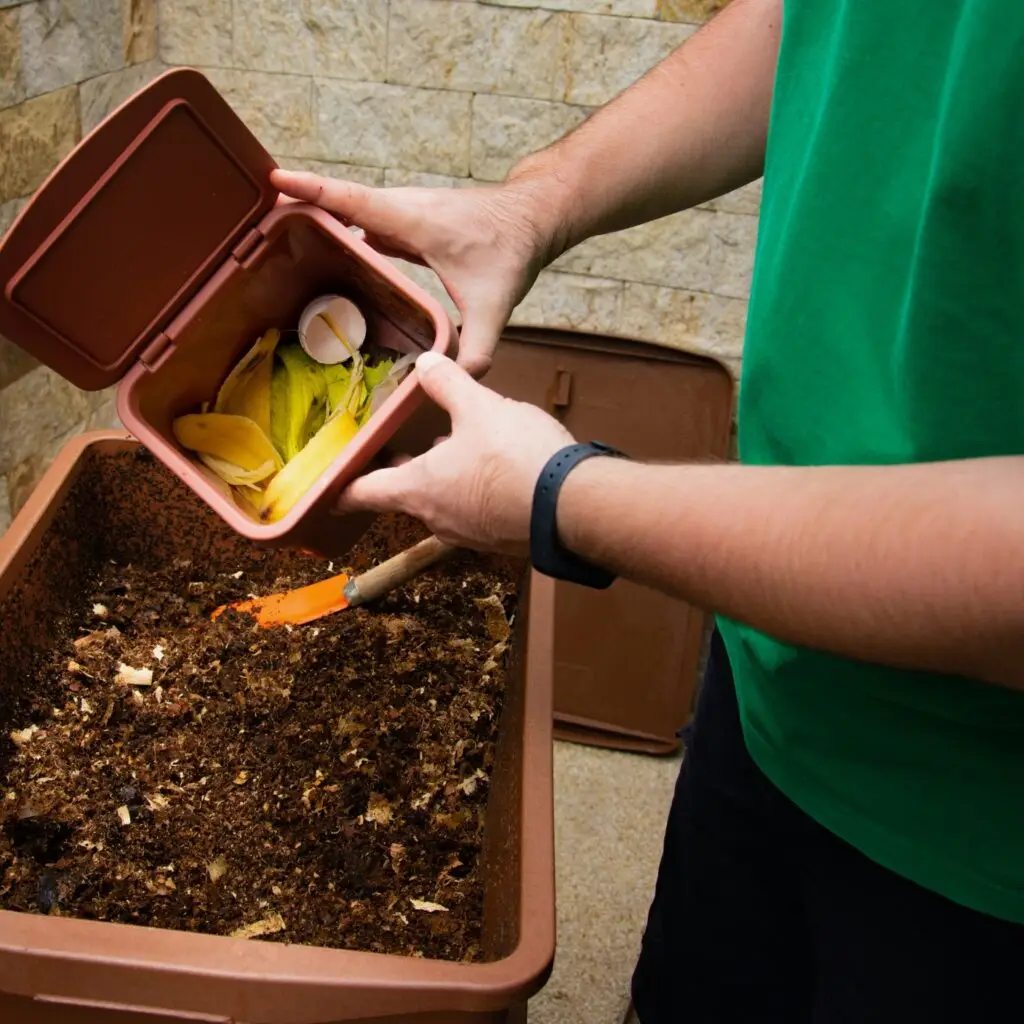
Got leftover veggie peels, eggshells, or coffee grounds? Don’t toss them—compost them! Composting not only reduces waste but also turns it into nutrient-rich soil that’s perfect for your garden or houseplants.
Why It Works: Organic waste in landfills produces methane, a potent greenhouse gas. Composting prevents this while giving you a natural fertilizer.
Pro Tip: If you don’t have outdoor space, try indoor composting with a small kitchen bin or a worm bin (yes, worms are composting champions!). - Choose Products with Minimal or Recyclable Packaging
Pay attention to how products are packaged before buying. Opt for items with minimal, recyclable, or compostable packaging. Better yet, shop in bulk or visit stores that allow you to bring your own containers.
Why It Works: Reducing packaging waste cuts down on the amount of plastic entering landfills and oceans.
Pro Tip: Start small—swap pre-packaged produce for loose fruits and veggies, and bring your own mesh produce bags to the store.
Pro Tip: Start a “Waste Audit”
Want to get serious about reducing waste? Conduct a waste audit. Over a week, take note of everything you throw away. Is it food scraps, packaging, or disposable items? This helps you pinpoint areas where you can make the biggest impact.
Example: If you notice a lot of plastic water bottles, switch to a reusable bottle. Too many takeout containers? Consider meal prepping or dining in.
Why Reducing Waste Matters
Every item we toss away has an environmental cost, from the resources used to make it to the emissions produced when it’s discarded. By focusing on waste reduction, you’re not only saving resources but also setting an example for others to follow.
Start small, stay consistent, and remember: less waste means more for the planet—and your peace of mind.
4. Green Your Shopping Routine
Becoming a conscious shopper is a game-changer when it comes to living sustainably. Every purchase you make is a vote for the kind of world you want to support. By rethinking your buying habits, you not only reduce waste but also promote fair labor practices and sustainable resource use. And the best part? You can still look stylish and find unique treasures along the way!
Let’s dive into how to green your shopping routine and make choices that align with your eco-friendly values.
Sustainable Shopping Tips
- Buy Second-Hand Whenever Possible
Thrift stores, consignment shops, and online marketplaces are treasure troves for preloved gems. From clothes and furniture to books and home decor, buying second-hand reduces demand for new production and gives items a second life. Plus, you’ll often find high-quality goods at a fraction of the price.
Why It Works: Extending the life of an item decreases its carbon footprint and keeps it out of landfills.
Pro Tip: Look for second-hand stores in upscale neighborhoods for gently used, high-end pieces. - Support Ethical and Eco-Friendly Brands
Not all new items are created equal. Seek out brands that prioritize sustainability, use eco-friendly materials, and treat their workers fairly. Many companies now offer transparency reports, so you can see exactly where your money is going.
Why It Works: Ethical brands often invest in renewable energy, biodegradable packaging, and fair wages—making your purchase part of the solution, not the problem.
Pro Tip: Look for certifications like Fair Trade, GOTS (Global Organic Textile Standard), or B Corp when shopping. - Avoid Fast Fashion and Opt for Durable, Timeless Pieces
Fast fashion may be cheap, but it comes at a high environmental cost. Instead of chasing fleeting trends, build a wardrobe of versatile, high-quality pieces that stand the test of time. Durable items save you money in the long run and reduce waste.
Why It Works: The fashion industry is one of the largest polluters in the world. Choosing long-lasting garments helps reduce its impact.
Pro Tip: Embrace the capsule wardrobe concept—mix and match a few versatile pieces to create endless outfit options.

Going the Extra Mile
If you want to take your green shopping routine up a notch, here are a few additional tips:
- Shop Local: Reduce the carbon footprint of your purchases by supporting local artisans and businesses.
- Use Reusable Shopping Bags: Say goodbye to single-use plastics by always keeping a reusable bag on hand.
- Buy Less, Choose Wisely: Practice mindful consumption—only buy what you truly need or love.
Why It Matters
The average person discards around 81 pounds of clothing annually, much of which ends up in landfills. By greening your shopping habits, you’re not just cutting waste—you’re championing a sustainable economy, supporting fair labor, and investing in a healthier planet for future generations.
So the next time you’re tempted to click “add to cart,” think about how your choices can make a difference. It’s not just shopping; it’s a statement.
5. Save Energy at Home
Reducing energy consumption at home is like hitting the sustainability jackpot: it lowers your carbon footprint, saves money, and makes your home cozier—all without sacrificing comfort. Plus, with a few small changes, you can create a home that’s not only energy-efficient but also stylish and functional.
Let’s break down some beginner-friendly energy-saving tips that can transform your living space into an eco-friendly haven.
Energy-Saving Tips for Beginners
- Use LED Light Bulbs
These little powerhouses are a no-brainer. LED bulbs use up to 75% less energy than traditional incandescent ones and can last up to 25 times longer. Not only do they reduce your energy bills, but they also cut down on waste since you won’t need to replace them as often.
Why It Helps: Lower energy use means fewer greenhouse gas emissions.
Pro Tip: Opt for “warm white” LED bulbs to create a cozy, inviting atmosphere. - Seal Windows and Doors
Drafty windows and doors are like leaving your wallet open on a windy day—they let precious energy escape. Use weather stripping, caulking, or draft stoppers to seal up those leaks. Your heating and cooling systems will work more efficiently, and your home will feel more comfortable year-round.
Why It Helps: Preventing energy loss reduces heating and cooling costs, which account for a significant portion of home energy use.
Pro Tip: Test for drafts by holding a lit candle near windows and doors. If the flame flickers, it’s time to seal the gaps. - Unplug Electronics When Not in Use
Did you know that electronics and appliances draw power even when they’re turned off? This “phantom energy” can account for up to 10% of your electricity bill. Unplugging devices like chargers, TVs, and toasters when they’re not in use is an easy fix.
Why It Helps: Cutting phantom energy use reduces your energy consumption without any extra effort.
Pro Tip: Use a smart power strip to make unplugging multiple devices a breeze.
Going the Extra Mile
- Switch to a Programmable Thermostat: These nifty devices let you control your home’s temperature efficiently, so you’re not heating or cooling an empty house.
- Embrace Natural Light: Open those curtains during the day and let the sunshine do its magic—no electricity needed!
- Wash Clothes in Cold Water: Hot water accounts for a large portion of your washing machine’s energy use. Cold water is just as effective for most loads.

Why It Matters
Energy production is a leading cause of global greenhouse gas emissions. By making small adjustments at home, you’re contributing to a cleaner, greener future. Plus, those savings on your utility bills add up quickly, giving you more funds for, say, a weekend getaway or a new plant for your collection.
Remember, every switch flipped off, draft sealed, and appliance unplugged is a step toward a more sustainable lifestyle. Start small, and watch your impact grow!
6. Eat with the Saving the Planet in Mind
Did you know that what’s on your plate can have a massive impact on the planet? Food production is one of the largest contributors to greenhouse gas emissions, deforestation, and water consumption. But don’t worry—you don’t have to give up all your favorite foods to make a difference. By making thoughtful choices, you can enjoy delicious meals while reducing your environmental footprint.
Here’s how to eat in a way that’s kinder to the Earth (and still super satisfying).
Planet-Friendly Eating Tips
- Buy Local and Seasonal Produce
Why eat strawberries shipped halfway across the world when your local farmer’s market has fresher, tastier options? Choosing local and seasonal produce means fewer food miles, less energy for refrigeration, and often better flavor. Bonus: You’re supporting local farmers and the community.
Pro Tip: Check out a local produce calendar to know what’s in season near you. Apples in the fall, anyone? - Reduce Meat Consumption
You don’t have to go full vegan overnight. Simply swapping out a few meat-based meals each week for plant-based options can significantly reduce your carbon footprint. Livestock farming accounts for a substantial chunk of greenhouse gas emissions, so this is a big win for the planet.
Easy Swaps:- Try a hearty lentil soup instead of beef stew. Opt for a veggie burger instead of a beef patty.
Pro Tip: Get creative with spices and herbs to make plant-based meals as flavorful as your favorite meaty dishes. - Avoid Food Waste
It’s estimated that one-third of all food produced globally goes to waste. Yikes! Combat this by planning your meals, storing food properly, and getting creative with leftovers. That slightly wilted spinach? Toss it into a smoothie or soup.
Quick Tips to Prevent Waste:- Use clear containers to see what’s in your fridge.
- Freeze items nearing their expiration date.
- Host a “clean out the fridge” night once a week.
Why It Matters
Eating with the planet in mind isn’t just about reducing harm—it’s also about reconnecting with where your food comes from. Local, seasonal, and plant-based foods often taste better, are fresher, and give you that warm, fuzzy feeling of knowing you’re doing good for the Earth.

Take the First Bite
Whether it’s joining a local CSA (community-supported agriculture) program, experimenting with Meatless Mondays, or simply making a commitment to finish everything on your plate, there are so many ways to start eating with the Earth in mind. And let’s be real—if saving the planet involves eating more avocado toast, sign us up!
Food is fuel, but it’s also one of the most powerful ways we can create positive change. Let’s dig in!
7. Get Outside and Connect with Nature
Living green isn’t just about reusable bags and energy-efficient appliances—it’s about recharging your soul by stepping into nature’s embrace. Reconnecting with the natural world not only inspires eco-friendly habits but also reminds us why protecting the environment is so important. And let’s face it, who doesn’t need a little fresh air and a break from doom-scrolling?
Here’s how you can embrace nature while doing your part for the planet.
Ideas for Nature-Based Activities
- Take a Walk or Hike in a Nearby Park
Whether it’s a leisurely stroll or a heart-pumping hike, spending time in a local park or nature reserve can work wonders for your mental health. Feel the crunch of leaves underfoot, listen to the birds, and let the stress melt away. Plus, it’s completely free—nature’s therapy has no copay.
Pro Tip: Bring a trash bag along and do a mini clean-up during your walk. It’s like a workout with a bonus feel-good factor. - Start a Small Garden
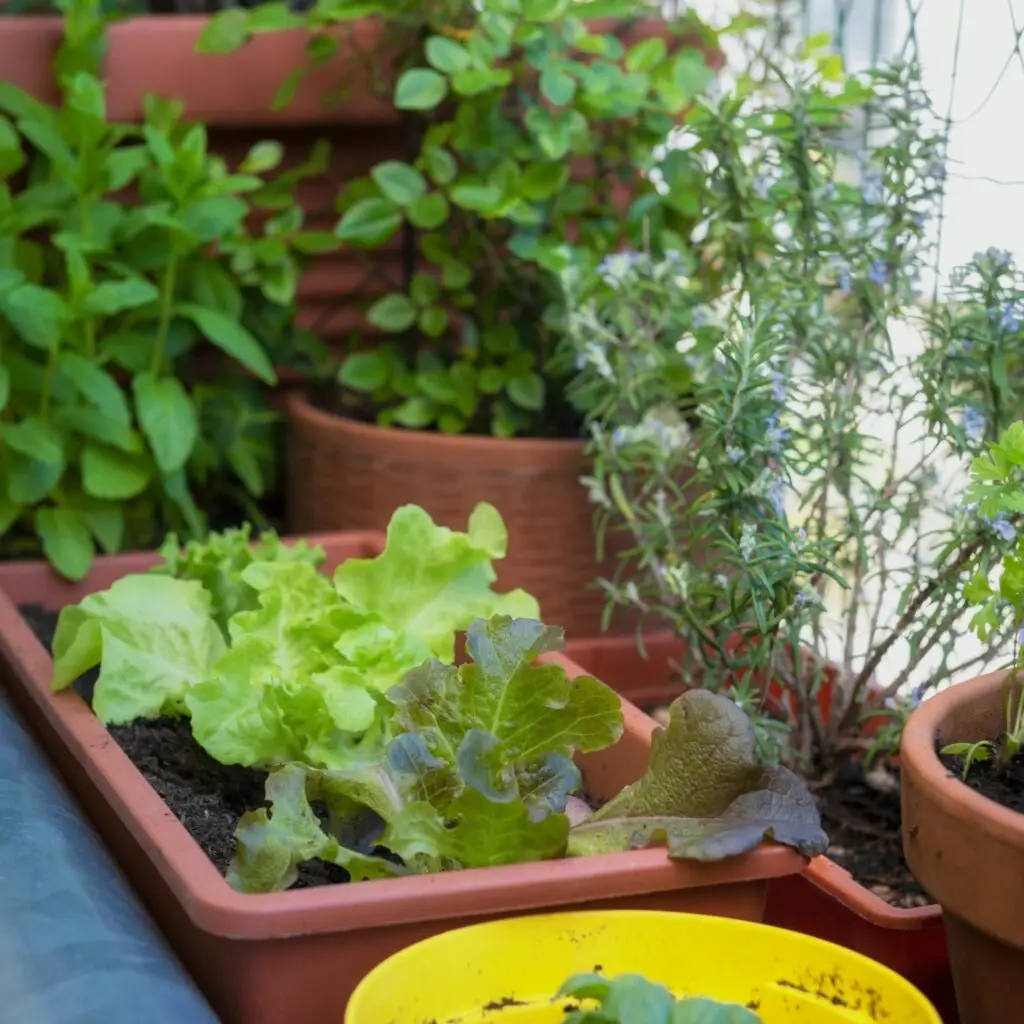
Gardening isn’t just for people with big backyards—it’s for anyone with a bit of space and the willingness to get their hands dirty. Start with a few herbs on your windowsill, a container of tomatoes on your balcony, or a small plot in your yard.
Why It’s Great: Growing your own food reduces your reliance on store-bought produce and teaches you about seasonal eating. Plus, there’s nothing like the taste of basil you grew yourself.
Pro Tip: Get the kids involved! Little ones love digging in the dirt and watching their plants grow (it’s like magic to them). - Join a Local Cleanup Event
Community cleanups are like group therapy for the Earth. Whether it’s a beach, river, or park cleanup, these events let you actively give back while meeting like-minded folks. Bonus: You’ll leave with a sense of accomplishment that lasts longer than your post-brunch food coma.
Pro Tip: Bring gloves and reusable trash bags to make your cleanup truly green.
Why It Matters
Nature doesn’t just give us beauty and peace—it provides the clean air we breathe, the food we eat, and the water we drink. When you spend time in nature, you’re reminded of the interconnectedness of it all, sparking a deeper commitment to living sustainably. It’s a cycle of love: the more you connect with nature, the more you want to protect it.
A Challenge for You
This week, carve out just 30 minutes to immerse yourself in nature. Whether it’s a quick walk, planting a seedling, or picking up litter in your community, these small acts can create a ripple effect of positivity—for you and the planet. Who’s in?
At Planet Ideal, we’re on a mission to make sustainable living accessible for everyone. Our team of eco-enthusiasts writes short, snappy, and easy-to-digest articles designed to inspire real change without overwhelming. From practical tips to innovative ideas, we’re here to prove that living green can be stylish, convenient, and enjoyable. Join us as we empower individuals, families, and communities to embrace eco-friendly lifestyles—one step, one story, and one solution at a time.