Starting a zero-waste lifestyle might seem overwhelming at first, but with a little planning and the right mindset, you can make impactful changes that benefit both the planet and your daily life. This beginner’s checklist will guide you step-by-step, helping you transition to a more sustainable way of living without stress.
1. Understand the Basics of Zero-Waste Living
Zero-waste living is all about reducing the amount of waste you produce, reusing what you already have, and making intentional choices to minimize your impact on the environment.
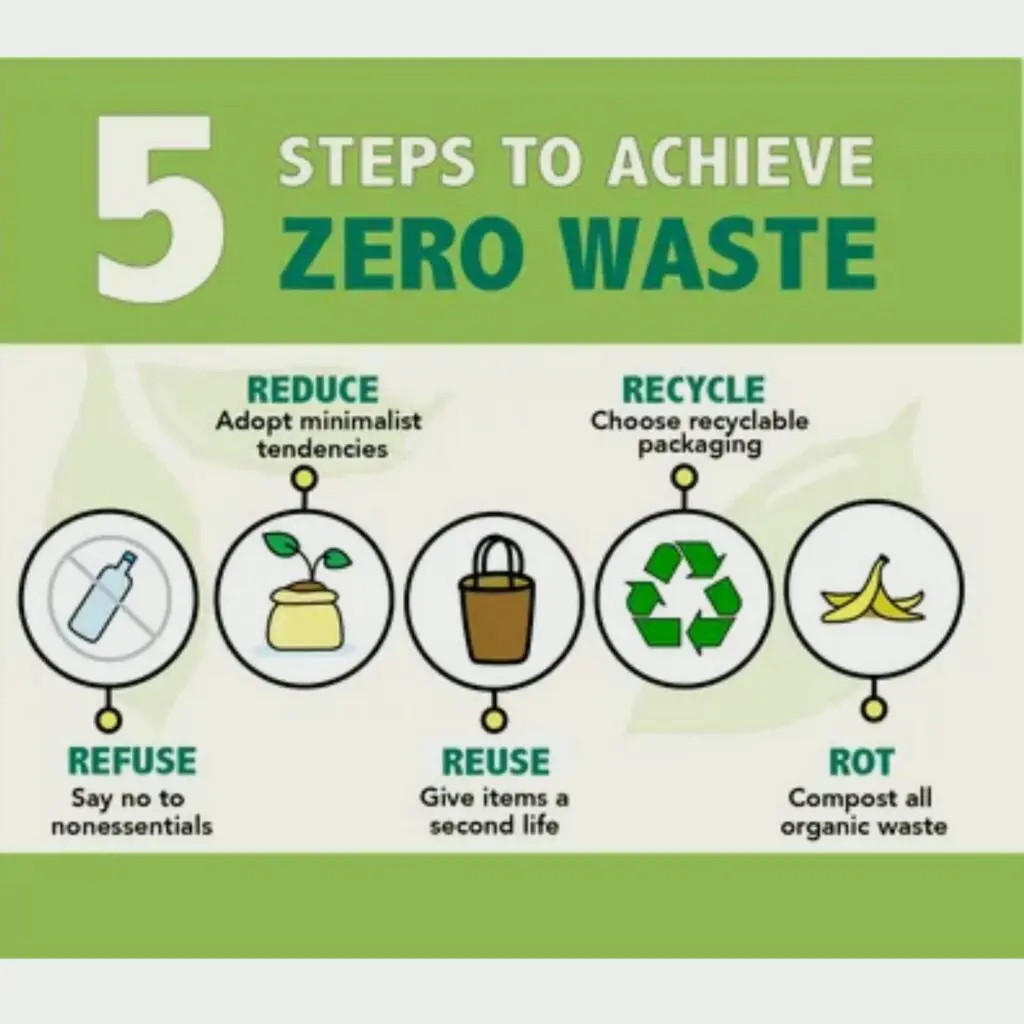
The Five R’s of Zero-Waste Living:
- Refuse: Say no to items you don’t need, like single-use plastics.
- Reduce: Minimize your consumption by opting for quality over quantity.
- Reuse: Choose reusable items instead of disposable ones.
- Recycle: Properly sort and recycle items that can’t be reused.
- Rot: Compost organic waste to keep it out of landfills.
2. Start Small: Easy Changes You Can Make Today
The key to a successful zero-waste journey is starting small and building momentum.
Quick Wins for Beginners:
- Bring reusable bags to the grocery store.
- Invest in a reusable water bottle and coffee cup.
- Say no to plastic straws and utensils.
- Switch to bar soap and shampoo bars.
Pro Tip: Focus on one area at a time, like your kitchen or bathroom, to avoid feeling overwhelmed.

3. Create a Zero-Waste Toolkit
A zero-waste toolkit consists of reusable essentials that help you avoid waste on the go.
What to Include in Your Toolkit:
| Item | Why It’s Essential |
|---|---|
| Reusable tote bag | For shopping and errands. |
| Stainless steel straw | A durable alternative to plastic straws. |
| Collapsible food container | Perfect for leftovers or takeout. |
| Bamboo utensils | Lightweight and reusable for meals. |
External Link: Explore sustainable starter kits at Package Free Shop.

4. Declutter Responsibly
Decluttering is an important step toward a zero-waste lifestyle, but the way you dispose of items matters.
How to Declutter Sustainably:
- Donate: Give usable items to local charities or thrift stores.
- Recycle: Properly sort materials like paper, glass, and electronics.
- Repurpose: Get creative with items you no longer need (e.g., turn old T-shirts into cleaning rags).

5. Focus on Food Waste
Food waste is a major contributor to landfills, but small changes can make a big difference.
Tips to Reduce Food Waste:
- Plan meals to avoid overbuying groceries.
- Freeze leftovers for later use.
- Compost fruit and vegetable scraps.

6. Shop Smarter
One of the biggest shifts in a zero-waste lifestyle is learning to shop with intention.
Shopping Tips for Beginners:
- Choose Bulk: Bring your own containers to buy pantry staples in bulk.
- Support Local: Farmers’ markets often have package-free produce.
- Read Labels: Look for products with minimal or recyclable packaging.

7. Learn to Reuse and Repair
Instead of tossing broken items, learn how to fix them. Repairing not only reduces waste but also saves you money.
Things You Can Repair:
- Clothes: Sew small tears or add patches.
- Electronics: Replace parts instead of buying new.
- Furniture: Sand and repaint to give it a fresh look.
Pro Tip: Check for repair workshops or tutorials online to get started.

8. Track Your Progress
Transitioning to a zero-waste lifestyle is a journey, and tracking your progress can keep you motivated.
How to Track:
- Keep a journal of the waste you’ve avoided each week.
- Note successful swaps and areas for improvement.
- Celebrate milestones, like reducing your trash by 50%.

At Planet Ideal, we’re on a mission to make sustainable living accessible for everyone. Our team of eco-enthusiasts writes short, snappy, and easy-to-digest articles designed to inspire real change without overwhelming. From practical tips to innovative ideas, we’re here to prove that living green can be stylish, convenient, and enjoyable. Join us as we empower individuals, families, and communities to embrace eco-friendly lifestyles—one step, one story, and one solution at a time.