In a world driven by consumption, living sustainably might seem like a daunting task. From targeted ads to fast-paced trends, we’re constantly encouraged to buy, replace, and discard. But the secret to sustainability lies not in drastic lifestyle changes, but in small, thoughtful decisions that align with your values. With the right mindset and strategies, you can navigate consumer culture while staying true to eco-friendly principles.
Here’s how to live more sustainably without feeling overwhelmed.
Understanding the Consumer-Driven World
Before diving into actionable tips, it’s essential to grasp the forces driving consumerism in modern society. By identifying these influences, you can take the first step toward conscious decision-making and living more sustainably.
Why We’re Hooked on Consumption
- Marketing’s Influence on Desire
- Companies spend billions crafting campaigns designed to make you feel like you need the latest product.
- Psychological tactics such as FOMO (Fear of Missing Out) create a sense of urgency to “keep up” with trends.
- Limited-time offers, seasonal collections, and must-have lists amplify this pressure, fueling impulse buying.
- Social Media’s Role in Overconsumption
- Platforms like Instagram and TikTok are saturated with influencer promotions, haul videos, and aspirational lifestyles.
- The constant display of curated content normalizes excessive buying, often leading viewers to emulate these behaviors.
- Viral trends can make products feel essential, even if they are unnecessary.
- Planned Obsolescence in Products
- Many industries intentionally design products with limited lifespans to encourage frequent replacements.
- Common examples include fast fashion, where clothes wear out quickly, and tech gadgets, which become obsolete due to software updates or lack of repair options.
- This cycle drives the belief that newer is always better, keeping consumers in a constant loop of upgrading.
- Cultural Conditioning Around Success
- Consumerism often equates material possessions with status and success.
- From luxury cars to designer clothing, societal norms reinforce the idea that more expensive items signify achievement.
- This mindset can overshadow the value of sustainability, creativity, or long-term quality.
Pro Tip: Acknowledge These Influences to Break Free
- Pause before making purchases and ask yourself:
- Do I really need this?
- Can I repurpose something I already own?
- How long will this item truly serve me?
- Becoming aware of how marketing, social media, and obsolescence shape your habits is the first step toward making more mindful, intentional choices.

Inspiring Thought:
The antidote to overconsumption isn’t deprivation—it’s intentionality. By recognizing these cultural forces, you can reclaim your choices and align them with values that prioritize sustainability and well-being over fleeting trends.
Would you like to explore actionable strategies for combating consumerism in your daily life?
Shift Your Mindset: Quality Over Quantity
A sustainable lifestyle starts with a mindset shift: embracing quality over quantity. In a world that often prioritizes instant gratification, learning to value durability, functionality, and timelessness can significantly reduce waste and create lasting satisfaction.
Why Quality Over Quantity Matters
- Environmental Impact: High-quality items last longer, reducing the need for replacements and minimizing the resources consumed in production.
- Cost Efficiency: While durable products may cost more upfront, their longevity means fewer replacements, saving money in the long run.
- Emotional Satisfaction: Owning fewer, better items can bring a sense of fulfillment and pride, unlike the fleeting joy of impulse buys.
Tips for Adopting a Quality-Focused Mindset
- Invest in Durable Products
- Look for items with warranties, repair options, or high durability ratings.
- Consider materials that stand the test of time (e.g., stainless steel over plastic, leather over synthetic).
- Examples:
- A sturdy cast-iron skillet instead of a low-quality nonstick pan.
- A high-quality water bottle instead of disposable plastic bottles.
- Avoid Impulse Purchases
- Wait 24–48 hours before making a non-essential purchase.
- Create a wishlist for future buys to resist immediate gratification.
- Ask yourself:
- Do I really need this?
- Will I still value it six months from now?
- Choose Timeless Styles
- Opt for classic designs in clothing, home decor, and accessories.
- Avoid trendy items that can quickly feel outdated or irrelevant.
- Example: A well-fitted white shirt or a neutral-tone blazer never goes out of style.
- Prioritize Functionality Over Aesthetics
- Select items that serve multiple purposes or solve specific problems effectively.
- Examples:
- A modular sofa for adaptable seating arrangements.
- A multipurpose kitchen tool rather than single-use gadgets.
- Learn to Appreciate Craftsmanship
- Support artisans or brands known for ethical production and superior craftsmanship.
- Choose handmade, locally produced goods over mass-produced items.
How to Spot Quality in Products
- Materials: Look for sustainable, durable, and natural options like organic cotton, bamboo, or recycled metals.
- Reviews: Check customer feedback for insights on longevity and performance.
- Certifications: Seek certifications like Fair Trade, Organic, or Eco-Cert to ensure ethical and sustainable practices.

Inspiring Thought:
“When you focus on quality, you buy less, waste less, and stress less—allowing you to live more intentionally and sustainably.”
Would you like detailed examples of durable, sustainable brands or additional tips for transitioning to this mindset?
Embrace Minimalism Without Sacrificing Comfort
Minimalism is not about living with nothing; it’s about living with intention. By letting go of the unnecessary, you create space for what truly matters—comfort, purpose, and sustainability. A minimalist lifestyle can improve mental clarity, reduce stress, and align perfectly with eco-friendly living.
What Minimalism Really Means
Minimalism isn’t deprivation. It’s about:
- Choosing quality over quantity.
- Focusing on items and experiences that bring genuine value to your life.
- Reducing waste and unnecessary consumption.
With this mindset, you can simplify your life while still maintaining comfort and style.
How to Start Minimalist Living
- Declutter Your Home
- Start with one area at a time (e.g., your wardrobe, kitchen, or workspace).
- Ask yourself:
- Have I used this in the past year?
- Does this item bring me joy or serve a purpose?
- Donate, recycle, or sell unused items responsibly.
- Benefits:
- A cleaner, more organized space.
- A sense of relief and mental clarity.
- Prioritize Multi-Functional Products
- Choose items that serve multiple purposes to save space and resources.
- Examples:
- A sofa bed for small living spaces.
- Reversible clothing for diverse looks.
- A cast-iron skillet that can be used for frying, baking, and grilling.
- Benefits:
- Simplifies your life.
- Reduces the need for excess possessions.
- Focus on Experiences Over Material Possessions
- Shift spending from things to experiences, such as travel, learning new skills, or spending time with loved ones.
- Examples:
- Replace frequent shopping trips with outdoor adventures.
- Gift a cooking class or concert tickets instead of physical items.
- Benefits:
- Creates lasting memories.
- Reduces clutter and waste.
- Adopt an “Eco-Minimalist” Approach
- Choose sustainable, eco-friendly products for your essentials.
- Opt for items made from recycled or natural materials.
- Replace disposable goods with reusable alternatives (e.g., bamboo utensils, stainless steel straws).
- Benefits:
- Aligns minimalism with environmental consciousness.
- Reduces your ecological footprint.
- Set Personal Boundaries for Consumption
- Limit purchases to what you truly need or what brings long-term joy.
- Consider adopting a “one in, one out” rule: when you buy something new, donate or sell an old item.
- Create a wish list and revisit it after 30 days to see if you still want the item.
Tips for Staying Comfortable in Minimalism
- Embrace Natural Textures: Choose soft linens, wool throws, or bamboo sheets to maintain a cozy and inviting home.
- Focus on Lighting: Use warm, natural light or eco-friendly LED bulbs to create a serene ambiance.
- Personalize Your Space: Include meaningful decor, like family photos, plants, or heirlooms, to make your minimalist space feel uniquely yours.
External Resources
- Learn More About Minimalism at The Minimalists: A resource for understanding the philosophy and practical steps to adopt minimalist living.

Inspiring Thought:
“Minimalism isn’t about having less; it’s about making room for more—more time, more experiences, more joy, and more connection.”
Would you like a detailed decluttering checklist or ideas for multi-functional, sustainable products?
Adopt a Conscious Shopping Routine
Conscious consumption is one of the most impactful ways to combat overconsumption and reduce waste. Shopping with intention not only supports sustainability but also helps you build a stronger connection with the products you bring into your life. By adopting mindful habits, you can make choices that benefit both the planet and your wallet.
Why Conscious Shopping Matters
- Environmental Benefits: Reduces demand for mass production, which is often resource-intensive and polluting.
- Ethical Impact: Supports fair labor practices and humane working conditions.
- Personal Fulfillment: Helps you feel good about your purchases, knowing they align with your values.
How to Shop Sustainably
- Research Brands Before Buying
- Look for certifications like Fair Trade, Organic, or B Corp to ensure ethical and eco-friendly practices.
- Investigate the brand’s sustainability efforts:
- Do they use renewable materials?
- Are their products designed to last?
- Do they offset their carbon footprint or use sustainable packaging?
- Tools like Good On You or Ethical Consumer can help assess brands.
- Create and Stick to a Shopping List
- Plan your purchases in advance and avoid impulse buys.
- Separate needs from wants to focus on essentials.
- Carry a physical or digital list while shopping to stay on track.
- Buy Second-Hand or Upcycled Products
- Explore thrift stores, consignment shops, or online marketplaces like Poshmark or eBay.
- Look for upcycled products, which give new life to materials that would otherwise be discarded.
- Support Local Artisans and Markets
- Purchase handmade, locally produced goods to reduce the carbon footprint of shipping.
- Attend farmers’ markets or craft fairs to find unique, sustainable items.
- Opt for Minimalist Packaging
- Choose products with little to no packaging or those using biodegradable materials.
- Bring your own reusable bags, jars, or containers when shopping.
- Practice the “Wait Rule”
- Before buying something non-essential, wait 24–48 hours to see if you truly need or want it.
- This cooling-off period can reduce impulse buying.
- Prioritize Longevity Over Price
- Cheap items often wear out quickly, leading to more frequent replacements.
- Invest in high-quality, durable goods that last longer and reduce waste over time.
Practical Benefits of Conscious Shopping
- Saves money by avoiding unnecessary purchases.
- Reduces clutter and promotes organization.
- Encourages a deeper appreciation for what you own.

Inspiring Thought:
“Every purchase is a vote for the kind of world you want to live in. Choose wisely, and let your dollars reflect your values.”
Reduce, Reuse, Recycle—Reimagined
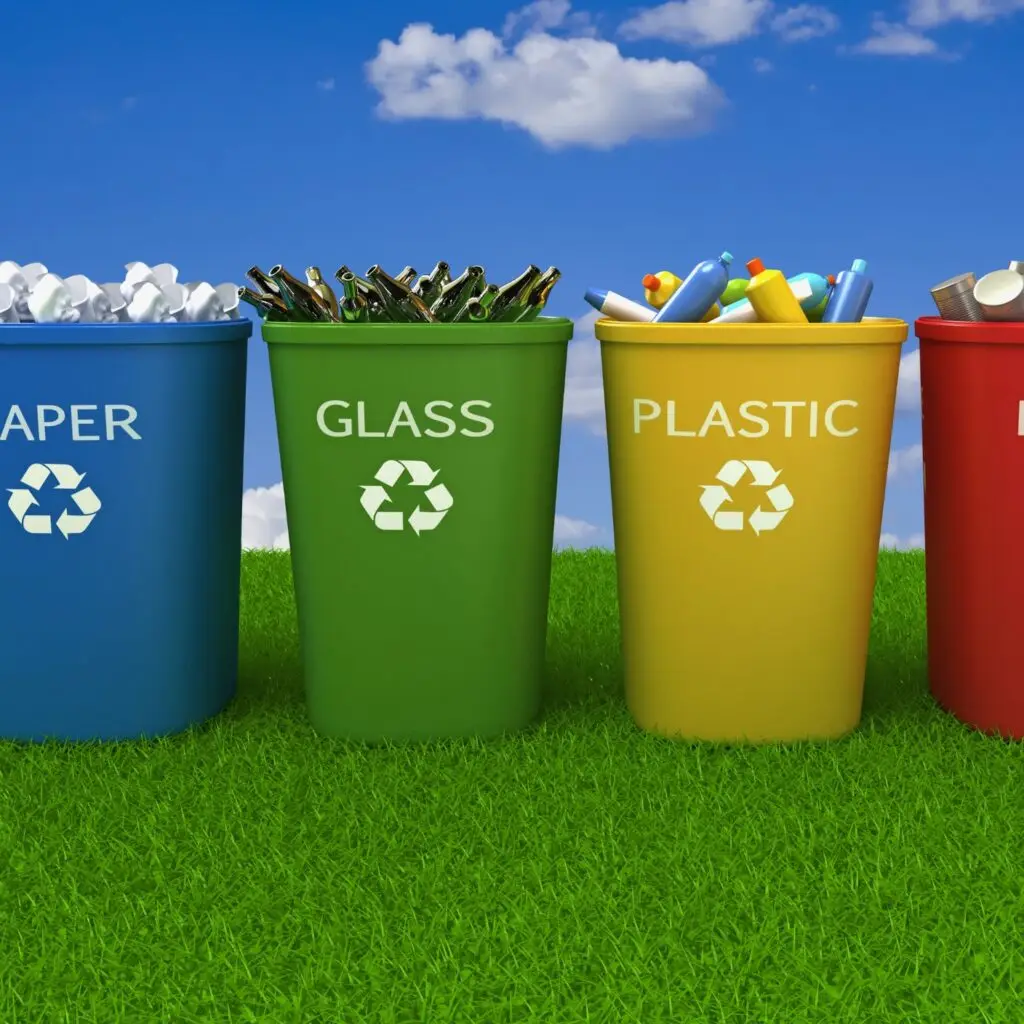
The three R’s—Reduce, Reuse, Recycle—are the cornerstone of sustainability, but in today’s consumer-driven world, we can reimagine these principles to fit modern lifestyles. By applying them creatively and thoughtfully, we can make a significant impact on waste reduction and environmental conservation.
New Ways to Practice the 3 R’s
- Reduce: Minimize What You Consume
- Physical Clutter:
- Declutter your home by donating or selling items you no longer need.
- Shop with intention to avoid accumulating unnecessary possessions.
- Digital Clutter:
- Cancel unused subscriptions (e.g., streaming services or memberships).
- Delete old emails, files, and apps to reduce your digital carbon footprint.
- Energy Consumption:
- Turn off appliances and lights when not in use.
- Invest in energy-efficient devices and switch to renewable energy providers.
- Physical Clutter:
- Reuse: Extend the Life of What You Own
- Everyday Items:
- Replace disposable products with durable, refillable alternatives (e.g., glass jars for food storage, metal straws, silicone baking mats).
- Repair and repurpose items instead of discarding them. For example:
- Turn old t-shirts into cleaning rags.
- Refinish furniture to give it a second life.
- Creative Upcycling:
- Use glass bottles as vases or planters.
- Transform tin cans into organizers for pens or utensils.
- Reusable Packaging:
- Shop with reusable produce bags and containers.
- Support brands that offer refill stations or programs (e.g., cleaning supplies or personal care products).
- Everyday Items:
- Recycle: Rethink and Research
- Learn What Can Be Recycled Locally:
- Check your local government’s guidelines for acceptable materials, as rules vary widely.
- Locate facilities for hard-to-recycle items like electronics, batteries, and light bulbs.
- Pre-Recycling Steps:
- Wash and clean recyclables to prevent contamination.
- Separate materials correctly (e.g., remove caps from plastic bottles, separate mixed materials).
- Recycling Beyond Basics:
- Use TerraCycle or similar services to recycle non-standard items like beauty product packaging or snack wrappers.
- Participate in drop-off programs for old clothes, shoes, or tech gadgets.
- Learn What Can Be Recycled Locally:
Benefits of Reimagining the 3 R’s
- Reduces reliance on landfills and incinerators.
- Conserves energy and raw materials used in manufacturing.
- Promotes innovation and creativity in finding new uses for old items.
Inspiring Thought:
“By rethinking the three R’s, we transform them from a checklist into a lifestyle—one that respects resources, inspires creativity, and champions sustainability.”
Would you like a guide to creating an effective recycling station or more upcycling ideas?
Support Ethical and Sustainable Businesses
Every purchase you make is a powerful vote for the future you want to create. By supporting ethical and sustainable businesses, you’re not only investing in quality products but also contributing to fair labor practices, environmental preservation, and social responsibility. As conscious consumers grow in number, industries take notice, adapting their practices to align with these values.
Why Supporting Ethical Businesses Matters
- Encourages Positive Practices: Promotes fair wages, safe working conditions, and eco-friendly manufacturing.
- Reduces Environmental Harm: Ethical businesses often prioritize renewable energy, sustainable materials, and low-waste production.
- Drives Industry Change: By favoring responsible brands, you encourage other companies to adopt better practices.
How to Identify Ethical Brands
- Look for Trusted Certifications
Certifications provide assurance that a business meets specific ethical and environmental standards. Common certifications include:- Fair Trade: Ensures workers receive fair wages and work in safe conditions.
- B Corp: Recognizes businesses balancing profit with social and environmental responsibility.
- GOTS (Global Organic Textile Standard): Certifies organic materials and sustainable textile practices.
- Leaping Bunny or Cruelty-Free: Indicates no animal testing was involved.
- Evaluate Transparency
Ethical businesses are open about their sourcing, labor practices, and environmental impact. Look for:- Details about where raw materials are sourced.
- Information on factory locations and worker treatment.
- Sustainability reports or impact statements published on their website.
- Avoid Greenwashing
Greenwashing occurs when companies falsely advertise themselves as environmentally friendly. Watch out for:- Buzzwords without substance (e.g., “natural,” “eco,” or “green” without proof).
- Misleading packaging or labels designed to look sustainable.
- Companies focusing on one sustainable initiative while ignoring harmful practices elsewhere.
- Research Brand Values
- Investigate a company’s mission and values.
- Look for partnerships with non-profits, community initiatives, or commitments to carbon neutrality.
- Consider smaller, local businesses that often embody ethical principles more naturally than large corporations.
- Choose Quality Over Quantity
Ethical brands often create higher-quality, longer-lasting products. Though they may cost more upfront, their durability reduces the need for frequent replacements.
Ways to Support Ethical Brands
- Shop Directly from the Brand: Buying directly supports the business and ensures the highest percentage of profits go to them.
- Spread the Word: Share your experiences on social media or with friends to amplify awareness.
- Write Reviews: Help others discover ethical options by reviewing your favorite brands online.

Inspiring Thought:
“When you buy from an ethical brand, you’re not just purchasing a product—you’re investing in a better future for people and the planet.”
Would you like a curated list of ethical brands for specific product categories or tips on spotting greenwashing?
Practice Gratitude and Mindful Living
Sustainability isn’t just about tangible actions; it’s a mindset that starts with how we perceive the world around us. By practicing gratitude and mindfulness, we can shift from a culture of excess to one of appreciation. This mental shift reduces the impulse to consume unnecessarily, helping us live with intention and harmony.
Why Gratitude and Mindfulness Matter for Sustainability
- Reduces Overconsumption: When you’re content with what you have, the desire to buy more diminishes.
- Strengthens Connection with Nature: Mindfulness fosters a deeper appreciation for the planet, encouraging conservation.
- Improves Mental Well-Being: Gratitude can reduce stress and improve overall happiness, reinforcing positive habits.
Mindfulness Practices to Reduce Consumption
- Reflect on Needs vs. Wants
- Before making a purchase, pause and ask:
- Do I truly need this, or is it a fleeting desire?
- Will this item bring long-term value to my life?
- Practice the 30-Day Rule: Wait 30 days before buying non-essential items to evaluate their necessity.
- Before making a purchase, pause and ask:
- Journal Your Gratitude Daily
- Start a simple gratitude journal to reflect on what you already have.
- Write down three things you’re thankful for each day, focusing on non-material blessings (e.g., health, relationships, experiences).
- Use prompts like:
- What brought me joy today?
- What natural beauty did I notice around me?
- Spend Time in Nature
- Take regular walks in local parks, forests, or beaches to reconnect with the natural world.
- Practice grounding techniques, like walking barefoot on grass or meditating outdoors.
- Observe the small details of nature—birdsong, flowing water, or the texture of tree bark.
- Mindful Consumption in Daily Life
- Practice mindful eating by savoring each bite and avoiding food waste.
- Shop with awareness: Choose quality over quantity and avoid mindless scrolling or browsing.
- Declutter your digital life: Unsubscribe from promotional emails that encourage overbuying.
How Gratitude Leads to Sustainable Living
- When you appreciate the things you already own, you’re less likely to seek new possessions.
- Gratitude for natural resources—like clean water and fresh air—instills a desire to protect them.
- Contentment encourages simpler, more intentional living, aligning with sustainable principles.

Inspiring Thought:
“Gratitude turns what we have into enough. When we embrace this mindset, we free ourselves from the cycle of consumption and step closer to a sustainable future.”
Would you like more detailed mindfulness exercises or journal prompts to integrate into your daily routine?light.
At Planet Ideal, we’re on a mission to make sustainable living accessible for everyone. Our team of eco-enthusiasts writes short, snappy, and easy-to-digest articles designed to inspire real change without overwhelming. From practical tips to innovative ideas, we’re here to prove that living green can be stylish, convenient, and enjoyable. Join us as we empower individuals, families, and communities to embrace eco-friendly lifestyles—one step, one story, and one solution at a time.