We live in a world where renewable energy is no longer a futuristic fantasy—it’s happening right now, and it’s cooler than you might think. Gone are the days when solar panels were the sole stars of the show. From wind turbines that look like works of art to algae powering our lights, renewable energy has some serious innovation up its sleeve. So, let’s dive into the top 10 renewable energy breakthroughs that’ll make you feel good about our planet’s future—and maybe give you some fun dinner conversation topics!
1. Floating Solar Farms: Solar Panels That Know How to Chill
Who knew solar panels could be such overachievers? Not content with lounging on rooftops or hogging fields, they’ve taken to the water. That’s right—floating solar farms, aka “floatovoltaics” (say that five times fast), are here to save space, boost efficiency, and look downright cool while doing it.
Imagine this: serene panels bobbing gently on a lake, soaking up the sun and cooling off simultaneously. It’s like a renewable energy spa day. Plus, they’re multitaskers—these panels not only generate clean energy but also help reduce water evaporation from reservoirs, keeping the planet hydrated and powered.
Why Floating Solar Farms Are Making Waves
- Save That Land for Picnics
Floating solar farms don’t need land, which means fewer debates over where to put them. Farmers, conservationists, and picnic enthusiasts can all breathe a collective sigh of relief. - Cooler Panels, Better Performance
Water acts as a natural coolant, keeping the panels more efficient. It’s like solar panels with built-in AC—no sweaty circuits here! - Double Duty for Water Bodies
Many floating solar farms are installed on reservoirs or water treatment plants, so they make use of underutilized spaces while reducing evaporation. Your local reservoir might just become the hottest renewable energy spot (pun intended). - Reduced Algae Growth
Covering parts of a reservoir or pond blocks sunlight, curbing excessive algae growth. It’s like giving the water a big pair of sunglasses.
Where They’re Popping Up
- Japan is a global leader in floatovoltaics, with some farms even floating near Mount Fuji (talk about scenic energy).
- The Netherlands has floating farms on its canals, proving that even the smallest spaces can generate big energy.
- California is experimenting with floating solar to combat drought while providing clean energy.

It’s pretty inspiring, isn’t it? Floating solar farms are proof that innovation can be practical and beautiful. So next time you’re near a lake, keep an eye out—you might just spot some hardworking solar panels living their best (floating) life. And don’t forget to snap a picture for the ‘gram. After all, who wouldn’t want to brag about “floatovoltaics”?
2. Wind Turbines Without Blades: Power in the Quiet Zone
Wait—wind turbines without blades? Is this the future or a sci-fi movie? Nope, it’s just innovation at its sleekest. Bladeless wind turbines are here to spin the renewable energy world on its head—well, actually, they don’t spin at all.
Imagine a tall, slender tower swaying gently in the breeze, kind of like a plant doing yoga. That’s a bladeless turbine. No noisy rotations, no helicopter-like shadows on the horizon, and absolutely no bird collisions (a win for our feathered friends).
Why Bladeless Turbines Are the Cool Kids on the Block
- No Spin, No Problem
These turbines harness wind energy through oscillation—think of them as wind-powered wobbly men. Their design makes them quieter, which is great if you live nearby and value your peace and quiet. - Birds and Bats Approve
Traditional wind turbines have been known to cause accidental bird strikes. Bladeless turbines are much safer, making them an eco-friendly option that even Mother Nature herself would clap for. - Sleek and Space-Saving
These streamlined towers take up less space than their blade-wielding cousins. Perfect for urban areas, or maybe even your backyard if you’re feeling adventurous! - Low Maintenance, High Vibes
With fewer moving parts, bladeless turbines are easier to maintain. No blades to clean or repair—just smooth, swaying energy production.
Where You’ll Spot Them
- Spain is leading the charge, with companies like Vortex Bladeless developing this cutting-edge tech.
- The Netherlands (because, of course, the windmill experts) are also experimenting with bladeless designs.
- Urban Areas—thanks to their compact and quiet nature, these are perfect for tight spaces where traditional turbines wouldn’t fit.

Bladeless turbines are like the introverts of renewable energy—quiet, unassuming, and incredibly productive. So the next time you see a towering, blade-free structure dancing in the wind, you’ll know it’s not just showing off. It’s reshaping the way we think about harnessing wind power, one gentle sway at a time
3. Solar Windows: Let the Sunshine (and Energy) In
Picture this: You’re sipping your morning coffee, staring out of your big, sunny window. But instead of just letting in a flood of natural light, your window is also secretly working overtime to power your phone, charge your laptop, and maybe even run your coffee maker.
Welcome to the magical world of solar windows, where your view isn’t just beautiful—it’s functional!
What Are Solar Windows, Anyway?
Solar windows are the overachievers of home design. They look like regular windows, but they’re embedded with tiny solar cells that capture sunlight and convert it into energy. It’s like your windows are pulling double duty: giving you a clear view and saving the planet, one ray of sunshine at a time.
Why Solar Windows Are a Game-Changer
- Energy Efficiency Without the Eyesore
Forget bulky rooftop panels. These sleek windows let you enjoy uninterrupted views of the great outdoors while still generating power. It’s like having your cake and eating it too—only the cake is sunlight, and eating it means running your air conditioner guilt-free. - Perfect for Urban Dwellers
Living in a high-rise with no space for solar panels? No problem! Solar windows turn vertical surfaces into energy powerhouses. Apartment buildings and office towers, take note—this is your time to shine (literally). - Cutting-Edge Meets Everyday
From homes to cars to skyscrapers, solar windows are adaptable to just about any surface that lets light through. Even your favorite greenhouse could become an energy generator. - Sunlight Is the Gift That Keeps on Giving
Whether it’s powering small gadgets or contributing to your home’s overall energy needs, these windows make the most of the sunshine we often take for granted.
Where You’ll See Solar Windows in Action
- Office Buildings: Imagine an entire glass-covered skyscraper turning into a giant solar panel. Now, that’s energy efficiency on steroids.
- Greenhouses: Keep your plants thriving while powering the fans and misters that keep them happy.
- Future Homes: Companies like Ubiquitous Energy are already working on making these windows more accessible for residential use.
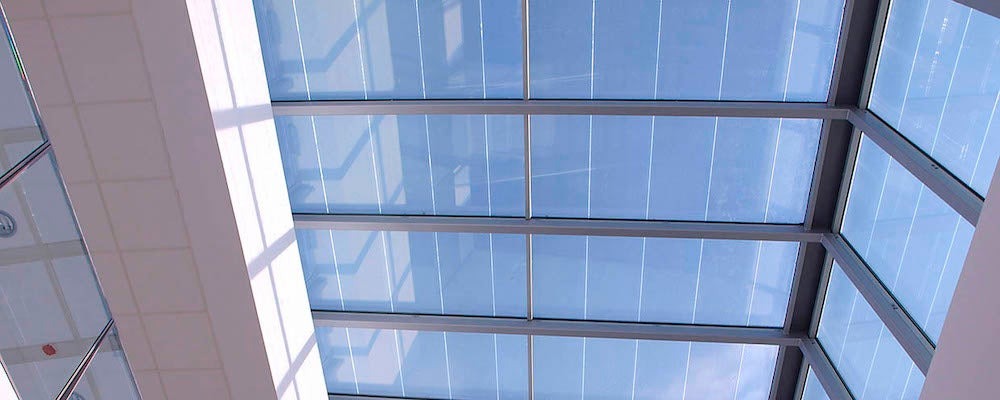
Image Source : SolarReviews
Solar windows are proof that technology doesn’t have to be clunky or intrusive to make a difference. They’re chic, practical, and sustainable—like the Pinterest-worthy home decor of the renewable energy world. Who knew saving the planet could look this good?
A sleek modern building with solar windows gleaming in the sunlight.
4. Wave Energy Converters: Surf’s Up for Power!
Did you know the ocean isn’t just for beach vacations, fish, and the occasional sandcastle competition? It turns out those waves you love to watch while sipping your piña colada have some serious energy potential. Enter wave energy converters, the gym rats of renewable energy. These devices harness the perpetual motion of the sea to generate electricity, proving that even the ocean likes to multitask.
What Are Wave Energy Converters?
Wave energy converters are devices that sit on or just below the surface of the water, using the up-and-down motion of waves to create power. Think of them as the ocean’s personal fitness tracker, except instead of counting steps, they’re cranking out clean energy.
Why Wave Energy Is the Next Big Thing
- Reliable Power Around the Clock
Unlike the sun (which rudely clocks out at night) or the wind (which sometimes takes days off), the ocean is always moving. Waves are consistent and predictable, making them a reliable source of energy. - Abundant and Untapped
With 70% of the Earth covered in water, wave energy has massive potential. It’s like discovering a giant, eco-friendly battery we’ve barely started using. - Small Footprint, Big Impact
Wave energy converters don’t hog land or overshadow your view like wind turbines or solar farms. They quietly bob in the water, doing their thing while you enjoy the scenery. - Helping Coastal Communities
For seaside towns and islands, wave energy could be a game-changer, providing renewable power close to home and reducing the need for imported fuel.
How Do Wave Energy Converters Work?
There are a few ways these clever machines harness the power of waves:
- Point Absorbers: Devices that bob up and down with the waves, converting kinetic energy into electricity.
- Oscillating Water Columns: Structures that use wave motion to push air through a turbine.
- Attenuators: Long, snake-like devices that flex with the waves, capturing energy along their length.
Wave Energy in Action
- Europe Leading the Way: Countries like Scotland and Portugal are already making waves (pun intended) with large-scale projects.
- Future Potential: If widely adopted, wave energy could meet 10-20% of global electricity needs. That’s a lot of Netflix binges powered by the ocean!

Wave energy converters remind us that the ocean isn’t just for fun; it’s a powerhouse waiting to be tapped. And while we’re not saying you should thank the ocean next time you charge your phone, a little gratitude never hurt
5. Hydrogen-Powered Trains: All Aboard the Green Express!
Ah, trains. The nostalgic charm of a locomotive, the gentle rocking motion, the occasional snack cart with questionable coffee… But let’s face it, the classic “chugga-chugga-choo-choo” doesn’t sound quite as charming when you think about the diesel fumes clouding the air. Enter hydrogen-powered trains, the eco-friendly upgrade that’s transforming the tracks.
What Are Hydrogen-Powered Trains?
Hydrogen-powered trains are the superheroes of modern transportation. Instead of guzzling diesel, they use hydrogen fuel cells to generate electricity, with the only emission being—drumroll, please—water vapor. That’s right. These trains essentially breathe out clean, crisp H₂O, making them the overachievers of the railway world.
Why Hydrogen Trains Are the Next Big Thing
- Zero Emissions
Diesel trains are notorious for their carbon footprint, but hydrogen trains? Nada. Zilch. Just pure water vapor puffing into the air like a happy cloud. - Quiet and Smooth
No more rumbling engines shaking the countryside like a mini-earthquake. Hydrogen-powered trains are whisper-quiet, so you can enjoy the view without feeling like you’re sitting next to a jet engine. - Perfect for Non-Electrified Tracks
Many train routes around the world aren’t electrified, making hydrogen trains the perfect eco-friendly solution without the need for expensive infrastructure upgrades. - Renewable Fuel Source
Hydrogen can be produced using renewable energy like wind and solar, creating a sustainable loop that keeps the trains running without tapping into fossil fuels.
How Do Hydrogen Trains Work?
The concept is simple yet brilliant:
- Hydrogen fuel cells combine hydrogen and oxygen to create electricity.
- This electricity powers the train’s motors.
- The only byproduct? Water. No smog, no soot, just a splash of H₂O.
Think of it as the train sipping on a water bottle instead of a can of oil. Hydration is key, even for locomotives.
Where Are Hydrogen Trains Running?
- Germany: The world’s first hydrogen-powered passenger train started operating in Lower Saxony in 2018. Talk about leading the charge!
- UK: Testing is underway for hydrogen trains to replace older diesel models.
- Japan: Of course, Japan is already on board (pun intended), integrating hydrogen into their famously efficient train network.
The Future of Hydrogen-Powered Trains
- Cutting Down Emissions Globally: Hydrogen trains have the potential to significantly reduce the carbon footprint of public transport, especially in areas where electrified tracks aren’t feasible.
- Connecting Remote Areas: These trains can bring green technology to rural and underserved regions, bridging gaps without harming the environment.
- A Passenger Favorite: With quieter rides and zero emissions, hydrogen trains promise a more enjoyable experience for eco-conscious travelers.
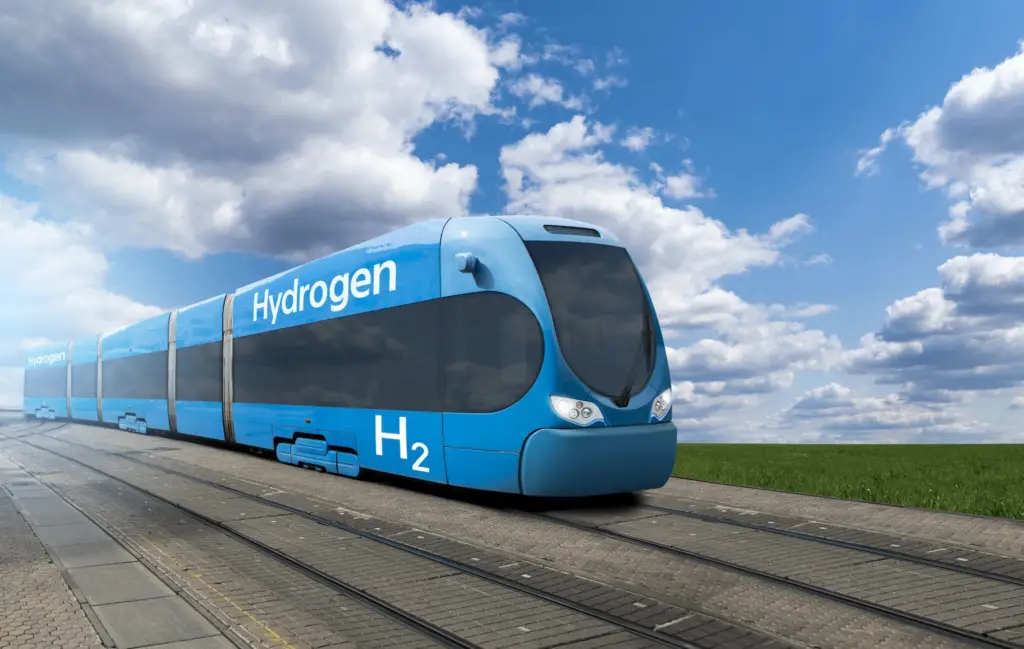
A sleek, futuristic hydrogen-powered train zipping through rolling green hills and picturesque countryside.
Image Source : nproxx.com
Hydrogen-powered trains are proof that innovation doesn’t have to come at the expense of nostalgia. They’re clean, green, and perfect for families dreaming of scenic train rides without a side of pollution. So the next time you hear the words “All aboard,” you’ll know it’s a ticket to a greener future.
6. Vertical Wind Turbines for Urban Areas: A City Slicker’s Spin on Sustainability
Picture this: You’re walking down a busy city street, sipping your ethically sourced coffee, and gazing at a skyline dotted with sleek vertical wind turbines. These modern marvels are spinning gracefully, quietly whispering, “Hey, we’re saving the planet over here.” Unlike their big siblings in the countryside, vertical wind turbines are designed to fit snugly into urban life—compact, efficient, and stylish to boot.
What’s the Deal with Vertical Wind Turbines?
Traditional horizontal wind turbines are the Beyoncé of renewable energy—fabulous but need a lot of space to perform. Vertical turbines, on the other hand, are the urban hipsters of the wind power world. They’re smaller, low-maintenance, and can generate electricity even in the gusty chaos of a city. Think of them as the overachieving middle child of renewable energy: not as flashy, but just as impressive.
Why Vertical Turbines Are Perfect for Cities
- Space Savers
Vertical turbines can fit on rooftops, balconies, or even the edges of skyscrapers. No need for sprawling fields—they thrive in tight spaces. - Wind Whisperers
Unlike traditional turbines, vertical models can capture wind from all directions. Whether it’s a gentle city breeze or a blustery gale, they’re ready to roll. - Quieter Than a Library
Forget the loud swooshing noise of traditional wind turbines. Vertical turbines hum along quietly, so they won’t disturb your rooftop yoga session. - Aesthetic Appeal
Let’s be honest: traditional turbines can look a bit… industrial. Vertical turbines, however, are designed to blend into the urban landscape. Think sleek, modern, and Instagram-worthy.
How Do Vertical Wind Turbines Work?
- Shape Matters: These turbines are usually shaped like spirals or cylinders, allowing them to spin no matter which way the wind blows.
- All-Angle Efficiency: Unlike horizontal turbines that need to face the wind, vertical ones are always in the sweet spot.
- Urban Ready: They’re built to handle turbulent winds that bounce off buildings, making them ideal for cityscapes.
Where Can You Spot These Turbines?
- Rooftops: Perfect for residential and commercial buildings alike, vertical turbines can turn a regular rooftop into a renewable energy powerhouse.
- Urban Parks: Some cities are integrating vertical turbines into green spaces, blending functionality with beauty.
- Skyscraper Projects: Architects are incorporating turbines into new building designs, making wind power a built-in feature.
The Future of Urban Wind Power
- Sustainable Cities: Vertical wind turbines are helping cities hit their renewable energy goals without sacrificing space or style.
- Affordable Energy: As the technology becomes more mainstream, these turbines could provide affordable, green energy to urban households.
- A Greener Skyline: Forget billboards and neon lights—a skyline with vertical wind turbines is the real urban glow-up.
7. Algae Biofuel: Turning Pond Scum into Planet-Saving Power
Who knew the slimy green stuff we tried to avoid at summer camp would become the superhero of renewable energy? That’s right, folks—algae biofuel is here to prove that not all heroes wear capes. Some just float around, soaking up sunlight and carbon dioxide while quietly saving the world.
What Is Algae Biofuel?
Algae biofuel is exactly what it sounds like: fuel made from algae. This isn’t just any green goo; it’s a renewable energy source that can power your car, fly planes, and keep factories running. The best part? Algae grows ridiculously fast—faster than the speed at which your toddler can spill juice—and doesn’t need prime farmland or gallons of fresh water to thrive.
Why Algae Biofuel Is a Game-Changer
- Carbon Sponge Extraordinaire
Algae loves CO2 the way we love a good nap. It absorbs carbon dioxide during its growth process, making it a natural ally in the fight against climate change. - Super Fast Growth
While other crops like corn or soy take months to grow, algae can double its biomass in a day. It’s like the Energizer Bunny of renewable resources. - No Competing with Food Crops
Unlike biofuels made from corn or sugarcane, algae doesn’t take away resources needed for food production. It’s happy to grow in saltwater, wastewater, or even non-arable land. - High Energy Output
Algae produces more energy per acre than traditional biofuel crops. It’s like hitting the energy jackpot in the renewable lottery.
How Is Algae Biofuel Made?
- Grow the Algae: Algae is cultivated in tanks, ponds, or bioreactors where it soaks up sunlight and CO2 like a green sponge.
- Harvest the Biomass: The algae is then collected and dried, ready for processing.
- Extract the Oil: Using special techniques, the oil is extracted from the algae.
- Convert to Fuel: This oil is refined into biodiesel, jet fuel, or even biogas.
What Can Algae Biofuel Power?
- Cars: Move over, fossil fuels—algae biofuel can keep your car humming along guilt-free.
- Planes: Airlines are testing algae-based jet fuel, proving that you can travel sustainably at 35,000 feet.
- Factories: Entire industrial operations could run on this green goop, reducing their carbon footprints.
The Future of Algae Biofuel
- Scaling Up: Researchers are working on making algae biofuel production more cost-effective so it can compete with traditional fuels.
- Aviation Revolution: Algae-based jet fuel has the potential to revolutionize the airline industry by drastically cutting emissions.
- Local Solutions: Algae farms could pop up near factories to recycle CO2 emissions, creating a closed-loop system.
Why Should We Care?
Algae biofuel isn’t just about keeping our cars running—it’s about creating a cleaner, more sustainable future. It turns a resource we’ve overlooked into a powerhouse of potential, proving that even pond scum can have its day in the sun.

So next time you see algae in a fish tank or a pond, give it a little nod of respect. It’s not just a green blob—it’s the green fuel of the future, ready to take on the world, one drop at a time.
8. Geothermal Energy for Homes: Digging Deep for Green Power
Imagine if your home could stay warm in winter and cool in summer using nothing but the Earth’s natural energy. No magic wands or fairy dust required—just geothermal energy, the ultimate heating and cooling hack for eco-conscious homeowners. It’s like having the Earth as your personal HVAC system. Pretty neat, huh?
What Is Geothermal Energy?
In simple terms, geothermal energy is heat that comes from beneath the Earth’s surface. No, we’re not talking about molten lava erupting in your backyard. This is steady, sustainable heat stored underground, where temperatures stay constant year-round. By tapping into this natural resource, you can efficiently heat or cool your home while giving your utility bills a much-needed diet.
How Does It Work?
Picture this: Beneath your home lies a system of pipes called a geothermal loop. These pipes are buried deep underground, where temperatures remain consistent, no matter the season. Here’s the play-by-play:
- Heat Transfer:
In winter, the system pulls heat from the ground to warm your home. In summer, it reverses, pulling heat from your home and sending it back into the Earth (thanks, Earth!). - Energy Efficiency:
A geothermal heat pump then converts the heat for use in your home. It’s up to 4x more efficient than traditional systems because it doesn’t generate heat—it simply moves it.
Why Geothermal Energy Is a Big Deal
- Steady as a Rock:
Unlike solar or wind energy, geothermal doesn’t depend on the weather. It’s always there, quietly doing its thing underground. - Eco-Friendly Heating and Cooling:
By relying on natural heat, geothermal systems drastically cut down on greenhouse gas emissions. Your carbon footprint gets smaller than your kid’s sneaker size. - Saves You Money:
While installation can be a bit pricey upfront, geothermal systems pay off in the long run with lower energy bills and reduced maintenance costs. - Longevity:
Geothermal systems can last 25+ years for indoor components and over 50 years for the underground loop. Talk about a lasting relationship!
Who Can Use Geothermal Energy?
Good news: Geothermal energy works for a variety of homes, whether you live in a suburban neighborhood or on a sprawling piece of land. While it’s easier to install during new construction, retrofitting is also possible. So, whether you’re building your dream house or upgrading your forever home, geothermal has your back (and your basement).
A Day in the Life of a Geothermal-Powered Home
- Winter:
You walk into a toasty house without hearing the groan of a traditional furnace. That warmth? Courtesy of Mother Earth. - Summer:
The air inside is crisp and cool, and you’re not sweating over a skyrocketing energy bill. - All Year:
No fuel deliveries, no noisy air conditioners, and no guilt about your energy use.
FAQs About Geothermal Energy
- Is it expensive to install?
Yes, but government incentives and energy savings make it worth the initial cost. Think of it as a green investment. - Does it work everywhere?
Pretty much! As long as there’s ground beneath your home, geothermal energy can work. - What maintenance is required?
Minimal. Just schedule a system check-up every few years to keep things running smoothly.
The Future of Geothermal Energy
As technology advances, geothermal systems are becoming more affordable and accessible. With more people turning to sustainable energy solutions, geothermal might just become the go-to option for eco-friendly homes. Plus, it’s one of the quietest ways to save the planet—literally.

Geothermal energy might not have the flash of solar panels or the pizzazz of wind turbines, but it’s a hardworking, reliable superhero in the world of renewable energy. And just like your favorite family pet, it’ll keep your home comfy and happy year-round—no barking, meowing, or high energy bills required.
9. Transparent Solar Panels
These panels look like glass but are capable of capturing energy from the sun. Perfect for greenhouses, they let in light while generating power.
Similar to Solar Windows, however these keep the heat in with a greenhouse effect that benefits us for a change.
10. Energy-Generating Roads: Where Every Mile Powers the Future
Imagine driving on a road that not only takes you to your destination but also generates electricity as you go. It’s like your car and the road have teamed up to save the planet—talk about a power couple! Energy-generating roads are the latest innovation in sustainable infrastructure, and they’re as cool as they sound.
How Do These Magic Roads Work?
Think of energy-generating roads as highways with a superhero cape. Here’s how they pull off their eco-friendly magic:
- Solar Roads:
Some of these futuristic pavements are embedded with solar panels. They soak up sunlight during the day, turning it into electricity that can power streetlights, nearby homes, or even charge electric vehicles (EVs). - Kinetic Roads:
Other roads use the movement of vehicles. Each time a car zooms over the surface, it creates kinetic energy, which special sensors and tech convert into electricity. It’s like turning traffic jams into an energy goldmine. - Thermal Roads:
Some roads are designed to capture and store heat, which can be used to melt ice in the winter or generate electricity. Goodbye, slippery commutes!
Why Energy-Generating Roads Are a Big Deal
- Eco-Friendly Power:
By turning roads into power generators, we reduce reliance on fossil fuels and lower emissions. It’s like killing two birds with one eco-friendly stone (but we’d never harm actual birds!). - Space-Saving Genius:
Roads already take up a ton of space, so why not put them to work? This tech makes better use of infrastructure we already have. - City of the Future Vibes:
Energy-generating roads aren’t just practical; they’re straight out of a sci-fi movie. Who wouldn’t want their daily drive to feel like a scene from The Jetsons?
Where Are These Roads Being Built?
- The Netherlands:
The world’s first solar bike path, SolaRoad, has been generating clean energy since 2014. It’s proof that even a bike ride can contribute to a greener planet. - France:
A stretch of road embedded with solar panels powers a small village. Viva la sustainability! - United States:
Pilot projects are underway in states like Georgia and California. The future is paved (literally) with potential.
Challenges to Overcome
As groundbreaking as energy-generating roads are, they’re not without hurdles:
- Cost: Building and maintaining these roads is pricey. (No free rides here, folks.)
- Durability: Roads take a beating from traffic and weather, so they need to be tough enough to last.
- Efficiency: Maximizing the energy output per mile is still a work in progress.
But hey, no great innovation ever came without a few potholes along the way, right?
The Road Ahead
With advances in technology, energy-generating roads are becoming more viable and scalable. As EVs become the norm and cities adopt smart infrastructure, these roads could play a major role in powering the world sustainably.
Energy-generating roads are proof that even the humblest parts of our lives—like the roads we drive on—can be reinvented for a greener future. So the next time you’re stuck in traffic, just imagine the road beneath your wheels turning your commute into clean, renewable energy. It’s the ultimate “silver lining” for rush hour blues!
Why These Innovations Matter
Environmental Impact
Renewable energy reduces greenhouse gases and our reliance on fossil fuels.
Economic Benefits
More jobs in the renewable sector and lower energy costs for consumers.
Future-Proofing
As the climate crisis intensifies, innovations like these are crucial for a sustainable future.
Witty Eco-Warrior | Advocate for Sustainable Living | Turning Environmental Insights into Laugh-Out-Loud Learning Moments
Denzil Dazzle is an environmental enthusiast and storyteller who brings a unique flair to eco-conscious writing. With a knack for transforming technical jargon into bite-sized, humorous, and engaging reads, Denzil has carved out a niche in the world of Eco-Food, Sustainability, and Green Living. His work resonates with readers who crave both a good laugh and a deeper understanding of pressing environmental issues. Whether it's exploring the joys of sustainable eating or demystifying the latest green innovations, Denzil’s articles promise to entertain and enlighten.