Author name: Planet Ideal Team

At Planet Ideal, we’re on a mission to make sustainable living accessible for everyone. Our team of eco-enthusiasts writes short, snappy, and easy-to-digest articles designed to inspire real change without overwhelming. From practical tips to innovative ideas, we’re here to prove that living green can be stylish, convenient, and enjoyable. Join us as we empower individuals, families, and communities to embrace eco-friendly lifestyles—one step, one story, and one solution at a time.

A family sharing a meal outdoors, laughing and connecting, symbolizing the importance of quality time.
Personal Well-Being & Sustainability

How to Practice Slow Living for a More Balanced, Eco-Friendly Life

In today’s fast-paced world, it’s easy to feel overwhelmed, rushed, and disconnected from what truly matters. We’re constantly juggling responsibilities, consuming on autopilot, and rushing through life without taking a moment to pause. Enter slow living: a lifestyle that encourages mindfulness, intentionality, and a deeper connection with the world around us.

A garden filled with fresh produce alongside a jar of homemade compost, showing the cost-saving benefits of growing .
Sustainable Living Basics

Why Sustainable Living Isn’t Just a Trend 5 Reasons to Start Today

Sustainable living is more than just a buzzword—it’s a movement, a mindset, and a necessary response to the challenges our planet faces. While some may see it as a passing trend, the truth is that sustainable living is here to stay, and for good reason. Beyond benefiting the environment, it can also improve your health, save you money, and contribute to a brighter future for generations to come.

Green Tech & Innovation

Why Green Innovation Is the Key to Saving the Planet

When we think about saving the planet, recycling bins, solar panels, and reusable bags often come to mind. But the real game-changer in our fight against climate change and environmental degradation is green innovation. These groundbreaking technologies and ideas are reshaping industries, revolutionizing how we live, and offering sustainable solutions to some of the most pressing global challenges.

A serene image of someone walking through a lush forest trail, representing the calming benefits of connecting with nature.
Personal Well-Being & Sustainability

How Sustainable Living Can Improve Your Mental and Physical Health

We often think of sustainable living as being all about the planet—reducing waste, conserving resources, and cutting emissions. But have you ever stopped to consider how it might benefit you? From boosting your mental well-being to improving your physical health, sustainable living isn’t just good for the environment—it’s good for your body and mind, too.

A happy shopper walking out of a thrift store with eco-friendly shopping box full of clothing
Eco Travel & Adventure, Zero Waste Living

How to Plan a Zero-Waste Vacation (And Still Have Fun)

Vacations are meant to be relaxing, exciting, and a break from the ordinary—but what if they could also be eco-friendly? With a little planning and creativity, you can enjoy a memorable, zero-waste vacation without sacrificing fun or convenience. From packing smart to choosing sustainable accommodations, this guide will show you how to explore the world responsibly and reduce your environmental footprint.

A happy shopper walking out of a thrift store with eco-friendly shopping box full of clothing
Green Fashion, Sustainable Living Basics

Why Fast Fashion Is Killing the Planet—and How to Avoid It

Have you ever walked into a store, grabbed a trendy shirt for less than the price of a latte, and thought, “What a steal!”? You’re not alone. Fast fashion—the production of inexpensive, trendy clothing at lightning speed—has transformed the way we shop and dress. But behind its appealing prices and endless style options lies a massive problem: fast fashion is wreaking havoc on our planet.

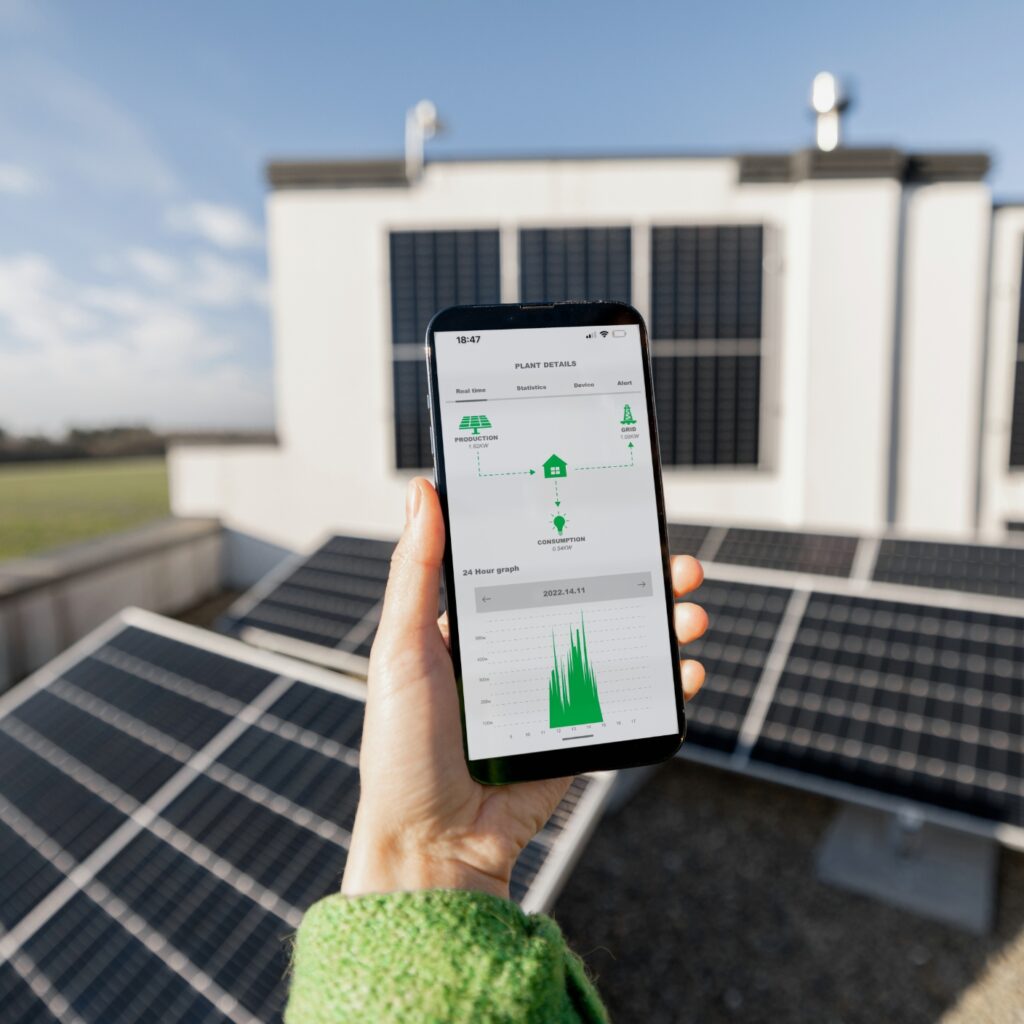
A homeowner using a smartphone app to monitor their solar energy production and usage.
Green Tech & Innovation

Why Green Innovation Is the Key to Saving the Planet

As the world grapples with climate change, resource depletion, and growing waste, one thing is clear: innovation will be at the heart of saving the planet. Green innovation—pioneering solutions that reduce environmental impact while promoting sustainability—is transforming industries, changing the way we live, and offering hope for a more eco-friendly future.

A model wearing a Reformation dress at an outdoor event
Ethical Brands & Business, Green Fashion

5 Ethical Fashion Brands You Need to Know About

The fashion industry is evolving. With growing awareness of its environmental and social impact, many shoppers are seeking alternatives to fast fashion. Ethical fashion brands offer a way to dress stylishly while making a positive difference. These companies prioritize fair labor, sustainable materials, and environmentally-friendly practices. In this post, we’ll explore five incredible ethical fashion brands you need to know about—and why they’re leading the way in sustainable style.

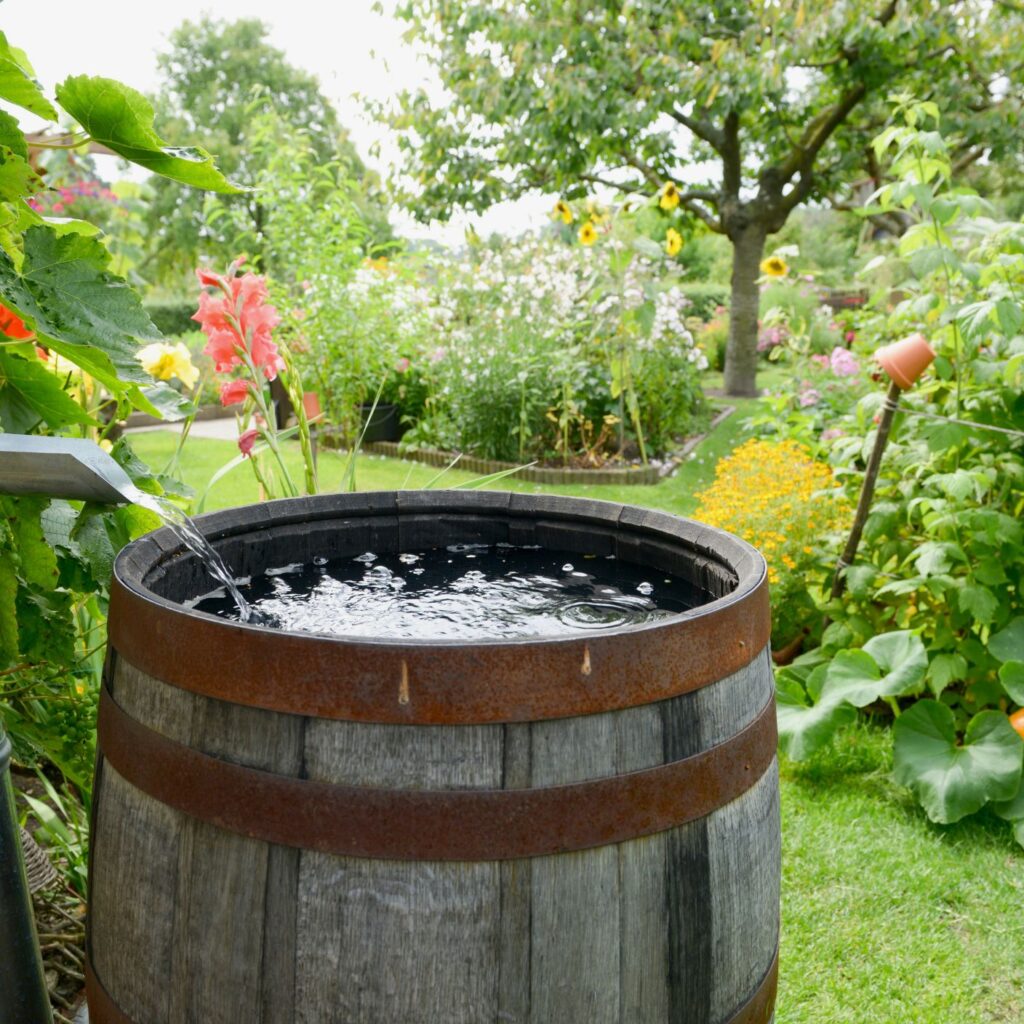
A lush backyard featuring native plants, a rainwater barrel, and mulch-covered flowerbeds
Eco-Friendly Home

7 Eco-Friendly Home Upgrades That Will Save You Money in the Long Run

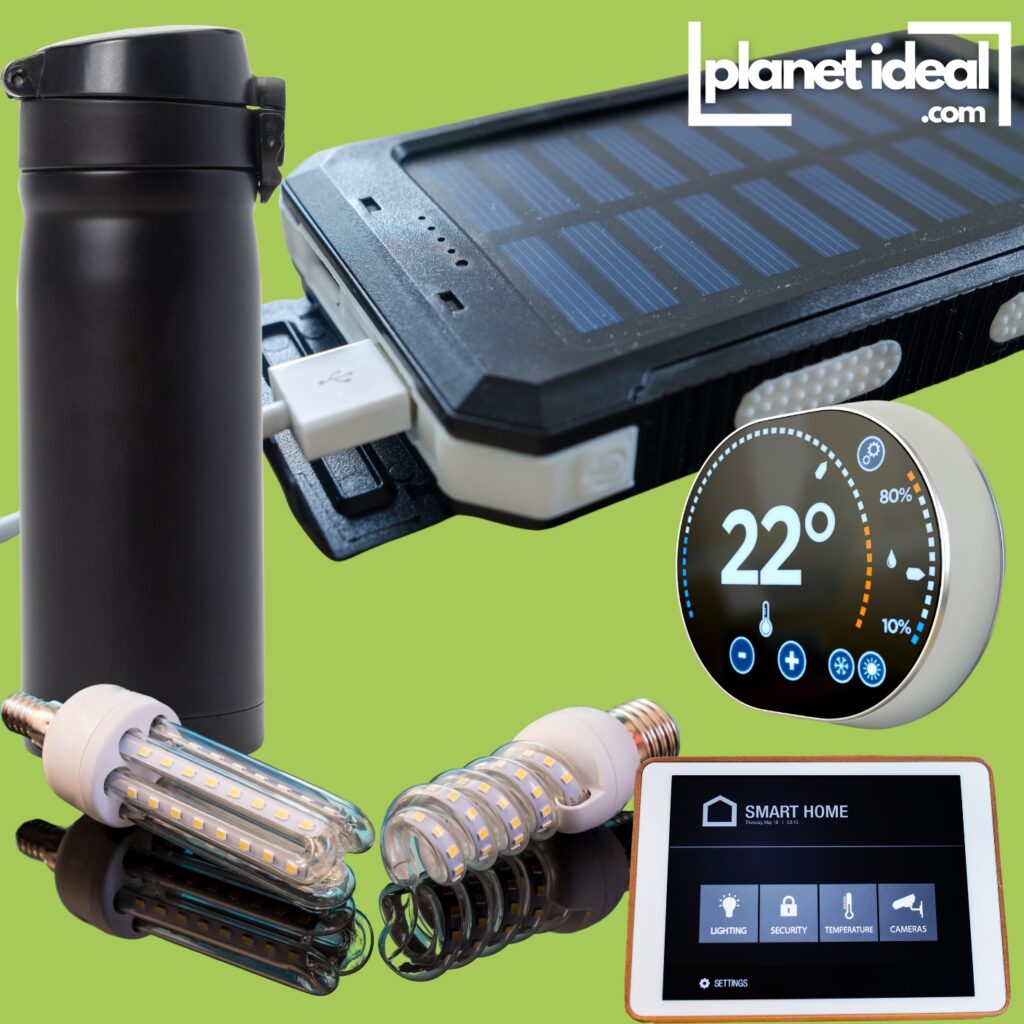
When it comes to sustainability, your home is the perfect place to start. Incorporating eco-friendly upgrades not only benefits the environment but can also significantly lower your utility bills and long-term expenses. The good news? Many of these changes require minimal effort but deliver maximum impact. Here’s a detailed look at seven eco-friendly home upgrades that will save you money while creating a greener living space. 1. Switch to Energy-Efficient Appliances One of the easiest ways to make your home more sustainable is by upgrading to energy-efficient appliances. Why It’s Worth It Investment Payback While these appliances may have a higher upfront cost, the savings on energy bills typically cover the difference within a few years. 2. Install Solar Panels Solar panels are a powerhouse when it comes to eco-friendly upgrades, offering substantial savings over time. How Solar Panels Save You Money Long-Term Impact Although the initial installation cost is high, solar panels can pay for themselves within 5–10 years while continuing to provide free energy for decades. 3. Upgrade to LED Lighting Lighting is a small but impactful upgrade. Switching to LED bulbs is one of the simplest and most affordable ways to reduce energy use. Why LEDs are a Smart Choice Immediate Savings LEDs provide almost instant reductions in your electricity bills, making this a quick win for eco-friendly living. 4. Add a Smart Thermostat Smart thermostats are game-changers when it comes to energy efficiency. Benefits of a Smart Thermostat Why It’s Eco-Friendly By optimizing energy use, smart thermostats lower your home’s carbon footprint. 5. Insulate Your Home Proper insulation is essential for maintaining comfortable temperatures and reducing energy waste. Key Areas to Insulate Cost and Savings While insulation upgrades may cost a few thousand dollars, they can reduce heating and cooling bills by up to 20%. 6. Install Low-Flow Fixtures Water conservation is a critical component of sustainable living, and low-flow fixtures are an easy solution. Eco-Friendly Options How It Saves You Money Lower water usage means smaller water bills, and the reduced demand on water heaters saves energy. 7. Invest in Sustainable Landscaping Your yard can be a source of significant eco-friendly savings with thoughtful landscaping. Sustainable Landscaping Ideas Long-Term Benefits Eco-friendly landscaping reduces water bills and maintenance costs while boosting curb appeal. How to Get Started Implementing these eco-friendly upgrades doesn’t have to happen all at once. Start with smaller, more affordable changes, like switching to LED bulbs or installing a smart thermostat. Over time, you can tackle bigger projects like solar panels or insulation as your budget allows. The cumulative impact of these upgrades will not only save you money but also reduce your environmental footprint, creating a win-win for you and the planet.

Neatly arranged glass meal prep containers
Sustainable Living Basics

Eco-Friendly Living for Busy People: 7 Easy, Time-Saving Tips

Living sustainably often seems overwhelming, especially when you’re juggling work, family, and a million other responsibilities. However, being eco-friendly doesn’t have to mean spending hours composting or handwashing laundry. With a few smart strategies, you can reduce your environmental impact while saving time and energy. Here are seven practical, time-saving tips for busy people looking to embrace eco-friendly living without the hassle. 1. Streamline Recycling with a Simple System Recycling doesn’t have to be a chore. A well-organized system can save you time and ensure you’re doing your part to reduce waste. How to Simplify Recycling Why It’s Time-Saving A streamlined system minimizes confusion and reduces the time spent sorting later. 2. Shop Smarter with a Green Grocery List Grocery shopping can be both eco-friendly and time-efficient with a little planning. Tips for Greener Grocery Shopping Time-Saving Bonus By planning meals ahead and sticking to your list, you can avoid impulse buys and make quicker decisions. 3. Make Energy Efficiency Automatic Cutting down on energy use doesn’t have to require constant effort. Automating energy-saving practices ensures your home is eco-friendly without you having to think about it. Easy Energy Efficiency Hacks Why It’s Time-Saving Once set up, these systems require little to no ongoing maintenance, freeing up your time for other tasks. 4. Meal Prep the Sustainable Way Busy schedules often lead to takeout and prepackaged meals, which generate excess waste. Meal prepping is a great alternative that saves time, money, and resources. Eco-Friendly Meal Prep Tips The Eco-Time Advantage Prepping meals ahead means fewer last-minute food decisions and less waste from single-use containers. 5. Declutter and Donate for a Greener Home Decluttering isn’t just good for your mental health; it also supports sustainable living. How to Declutter Sustainably Time-Saving Aspect A clutter-free home is easier to clean and manage, saving you precious time every day. 6. Switch to Eco-Friendly Cleaning Products Traditional cleaning products often contain harmful chemicals and come in wasteful packaging. Eco-friendly options are better for the planet and often more efficient. Green Cleaning Made Easy Why It’s Time-Saving Fewer products mean less clutter under your sink and quicker clean-up routines. 7. Choose Low-Maintenance, Sustainable Habits Incorporate eco-friendly practices that don’t require extra effort or planning. Effortless Habits for Busy People Time-Saving Factor Once these habits are part of your routine, they’ll save you time and money in the long run. The Big Picture: Small Changes, Big Impact Eco-friendly living doesn’t have to be complicated or time-consuming. By making small, thoughtful changes to your daily routine, you can reduce your environmental impact while still managing a busy schedule. Start with one or two tips from this list and build on them over time. Each step brings you closer to a more sustainable, balanced lifestyle—and shows that anyone, no matter how busy, can make a difference.

Carbon Footprint
Sustainable Living Basics

How to Cut Your Carbon Footprint in 5 Easy Steps

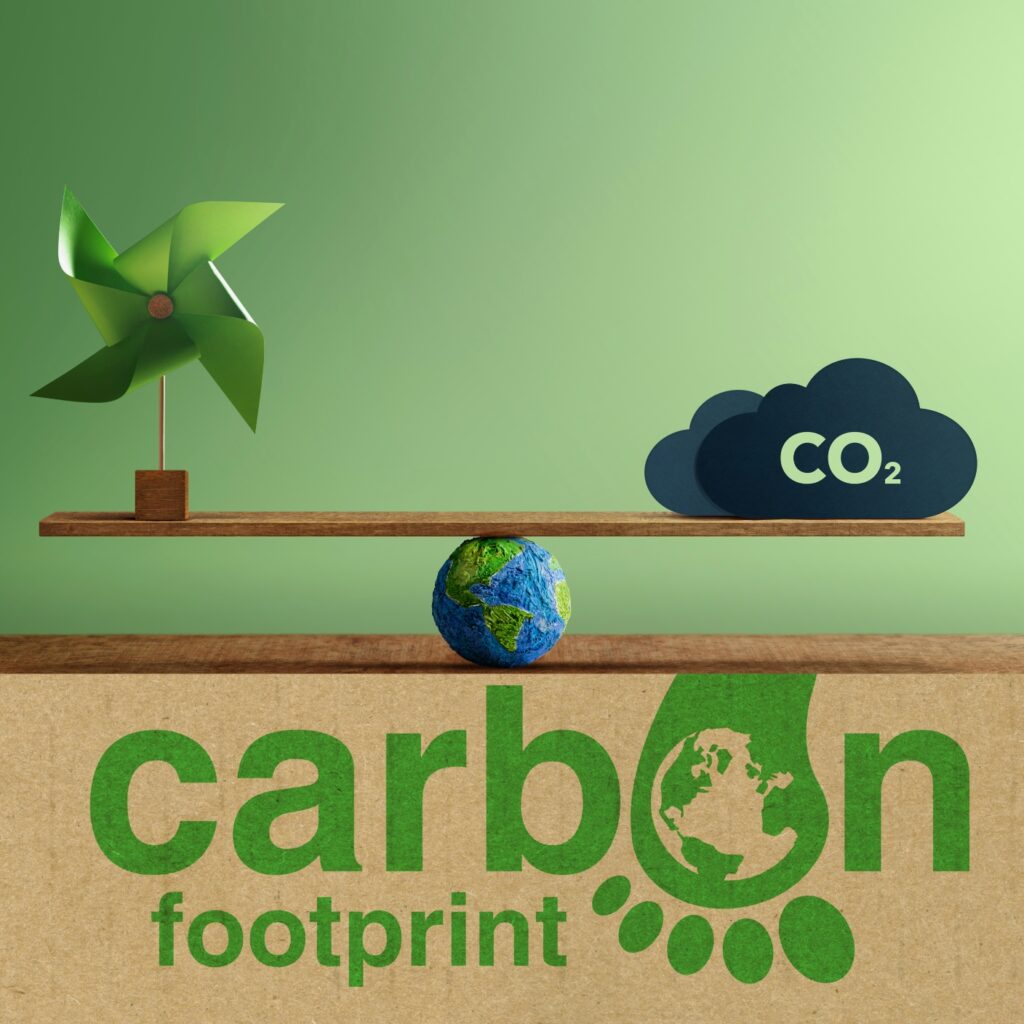
In today’s world, reducing your carbon footprint is not just an environmentally conscious choice—it’s an essential step in combating climate change and ensuring a healthier planet for future generations. The good news? You don’t have to overhaul your entire lifestyle to make an impact. Small, actionable steps can lead to significant changes in your carbon emissions. This guide will walk you through five straightforward ways to minimize your carbon footprint, offering tips that are easy to implement and impactful over the long term. 1. Calculate and Understand Your Carbon Footprint Before you can reduce your carbon footprint, it’s essential to understand what it is and how it’s measured. What Is a Carbon Footprint? A carbon footprint represents the total greenhouse gas emissions caused by your actions, lifestyle, and consumption. This includes everything from the energy you use at home to the transportation methods you choose. How to Calculate Your Carbon Footprint Use free online calculators, such as the ones provided by the EPA or WWF, to estimate your annual carbon emissions. These tools factor in your energy consumption, transportation habits, diet, and shopping patterns. Why Understanding It Matters Knowing the areas where you emit the most carbon helps you focus on making meaningful changes. For example, if transportation makes up a significant portion of your footprint, you can prioritize carpooling or biking. 2. Optimize Your Transportation Choices Transportation is one of the largest contributors to carbon emissions. Switching up your travel habits can have a major impact. Choose Low-Carbon Commutes Fly Smarter Switch to an Electric Vehicle (EV) EVs produce significantly less carbon over their lifetime compared to traditional gas-powered cars. If a new EV isn’t in your budget, explore hybrid models or focus on maintaining your current vehicle for better efficiency. 3. Make Your Home Energy-Efficient Your home is a significant source of carbon emissions, primarily through heating, cooling, and electricity use. Upgrade to Energy-Efficient Appliances When it’s time to replace household items, choose Energy Star-certified appliances that use less electricity and water. Improve Insulation Proper insulation reduces the need for excessive heating in winter and cooling in summer, cutting down energy use. Adopt Smart Technology Switch to Renewable Energy If possible, transition your home to renewable energy sources like solar or wind power. Even subscribing to green energy programs through your utility provider can help reduce your carbon footprint. 4. Rethink Your Diet and Food Choices The food you eat has a direct impact on your carbon emissions, from production to transportation. Go Plant-Based Plant-based diets generally produce fewer emissions than diets rich in meat and dairy. Even adopting “Meatless Mondays” can make a difference. Buy Local and Seasonal Locally-sourced food requires less transportation, while seasonal produce avoids the high energy costs of greenhouses and cold storage. Minimize Food Waste Wasted food often ends up in landfills, where it releases methane—a potent greenhouse gas. To cut down on waste: 5. Reduce, Reuse, Recycle The three R’s—Reduce, Reuse, Recycle—are foundational to a low-carbon lifestyle. Reduce Consumption Buy only what you truly need. Overconsumption not only generates waste but also contributes to emissions through production and transportation. Reuse Whenever Possible Recycle Correctly Know your local recycling guidelines to ensure you’re recycling properly. Contaminated items can render entire batches of recycling unusable. Support Circular Economy Brands Choose companies that prioritize sustainable practices, such as using recycled materials in their products or adopting zero-waste policies. Small Changes, Big Impact Cutting your carbon footprint doesn’t have to mean sacrificing convenience or comfort. By making thoughtful changes in your daily life, you can significantly reduce your environmental impact while setting an example for others. Ready to start reducing your carbon footprint? Take one step today—whether it’s calculating your emissions, biking to work, or opting for plant-based meals—and see how easy it can be to make a difference.

The name reflects our vision: a planet where every choice we make is an ideal one—ideal for our health, ideal for the environment, and ideal for future generations.

© 2024 PlanetIdeal.com

Contacts

Email : info@planetideal.com

Established after the : 
2011 United Nations Climate Change Conference
[ COP17 Summit 2011, in Durban, KZN, ZA ]

Registered Address : 
PO Box 55556, Durmail, 4003
Durban, KZN, ZA

CLIMATE CLOCK

1.5 degrees Warning Countdown

Day
Hr
Min
Sec

Join Our Community and Get a Tips and Freebies on how you can help to stop the Climate Change Clock

No thanks I don't care about the Environment
Scroll to Top