Author name: Planet Ideal Team

At Planet Ideal, we’re on a mission to make sustainable living accessible for everyone. Our team of eco-enthusiasts writes short, snappy, and easy-to-digest articles designed to inspire real change without overwhelming. From practical tips to innovative ideas, we’re here to prove that living green can be stylish, convenient, and enjoyable. Join us as we empower individuals, families, and communities to embrace eco-friendly lifestyles—one step, one story, and one solution at a time.

A windowsill lined with potted herbs and vibrant houseplants
Eco-Friendly Home

How to Make Your Home More Sustainable Without Breaking the Bank

Living sustainably doesn’t have to come with a hefty price tag. In fact, many eco-friendly changes can save you money in the long run while reducing your environmental footprint. Whether you’re renting a small apartment or owning a sprawling home, there are plenty of budget-friendly steps you can take to make your living space greener. Let’s explore actionable, cost-effective strategies to create a more sustainable home without stretching your wallet. 1. Optimize Energy Usage One of the simplest ways to start your sustainability journey is by reducing energy consumption. Small changes in your daily habits and a few low-cost upgrades can make a significant difference. Unplug Unused Devices Many appliances and devices draw power even when turned off. This “phantom load” can add up over time. Unplug chargers, TVs, and other electronics when not in use. Install Energy-Efficient Bulbs Switch to LED or CFL light bulbs, which use up to 75% less energy than traditional bulbs and last significantly longer. Seal Drafts Use weatherstripping or caulk to seal gaps around windows and doors. This prevents heat from escaping in winter and keeps your home cooler in summer. 2. Reduce Water Waste Conserving water is another critical component of a sustainable home. Simple changes can lower your water bills while conserving this precious resource. Fix Leaks A dripping faucet may seem insignificant, but it can waste gallons of water daily. Fix leaks promptly to avoid unnecessary waste. Install Low-Flow Fixtures Switch to low-flow showerheads and faucets to reduce water usage without sacrificing performance. Collect Rainwater Place a rain barrel outside to collect water for gardening. It’s an easy way to repurpose natural resources. 3. Embrace DIY Cleaning Products Many store-bought cleaning products contain harmful chemicals and come in single-use plastic containers. Making your own is cheaper and safer for the environment. All-Purpose Cleaner Recipe Mix white vinegar, water, and a few drops of essential oil in a reusable spray bottle for an effective, natural cleaner. 4. Furnish Sustainably Sustainable furniture doesn’t have to mean expensive purchases. There are plenty of ways to furnish your home in an eco-friendly way without breaking the bank. Shop Second-Hand Explore thrift stores, flea markets, and online platforms like Facebook Marketplace for pre-loved furniture. Repurpose and Upcycle Turn an old wooden pallet into a coffee table or use wine crates as storage boxes. 5. Green Your Indoor Space Adding greenery to your home not only improves air quality but also creates a calming environment. Grow Houseplants Choose low-maintenance plants like pothos, snake plants, or succulents that thrive indoors. Start a Kitchen Garden Grow herbs like basil, mint, or parsley on your windowsill for fresh, organic flavors at your fingertips. 6. Reduce Waste in the Kitchen The kitchen is a major source of household waste. Adopting zero-waste practices can significantly cut down on what you throw away. Switch to Reusables Use cloth towels instead of paper towels, silicone lids instead of plastic wrap, and beeswax wraps for food storage. Compost Scraps Start a compost bin for vegetable peels, coffee grounds, and other organic waste. It’s a fantastic way to enrich soil while reducing landfill waste. 7. Use Renewable Energy (Even on a Budget) While installing solar panels might be out of reach for some, there are smaller steps you can take to harness renewable energy. Enroll in Green Energy Programs Check with your utility provider to see if they offer renewable energy plans. Portable Solar Chargers Invest in a small solar charger to power your devices. 8. Get Smart About Recycling Recycling correctly can divert significant waste from landfills. However, contamination often undermines these efforts. Sort Your Recycling Learn which materials your local facility accepts and clean them before recycling. Creative Reuse Turn glass jars into storage containers or transform cardboard into crafts. 9. Focus on Energy-Efficient Appliances While this may require some initial investment, energy-efficient appliances pay off over time through reduced utility bills. Look for Energy Star Ratings When it’s time to replace an appliance, choose one with an Energy Star label for guaranteed efficiency. Maintain Existing Appliances Clean filters and maintain appliances to ensure they operate efficiently. 10. Involve the Whole Family Sustainability is a team effort. Get everyone involved to make lasting changes. Create Challenges Who can take the shortest shower or find the most creative way to upcycle something? Educate Through Fun Watch documentaries, play eco-themed games, or take nature walks to inspire eco-consciousness in kids.
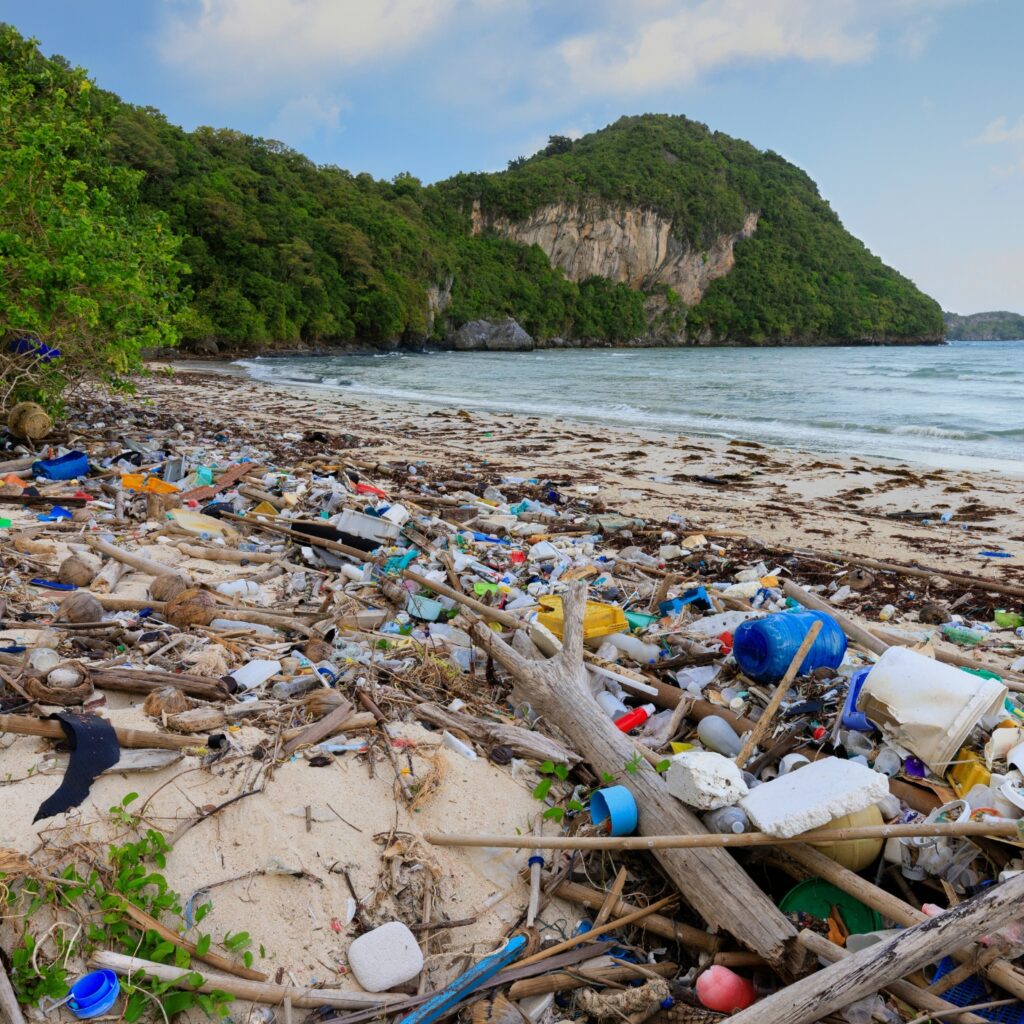
A striking image of a beach littered with plastic waste, juxtaposed with a clean, pristine shoreline
Zero Waste Living

How to Reduce Single-Use Plastics and Live Waste-Free

In a world drowning in disposable plastics, the need to reduce single-use plastics is more urgent than ever. From straws and bags to cups and packaging, these items are wreaking havoc on our environment—and it’s time we take a stand. Transitioning to a waste-free lifestyle might seem daunting, but with the right steps, it’s entirely achievable. Let’s explore how you can ditch single-use plastics, embrace zero waste, and make a lasting impact on the planet. Why Single-Use Plastics Must Go Single-use plastics are designed for convenience, but their environmental cost is devastating: The solution? Eliminate single-use plastics from our lives and embrace sustainable alternatives. How to Identify Single-Use Plastics in Your Life Start by taking stock of your daily habits. Common culprits include: Once you know where plastic sneaks into your life, you can plan effective alternatives. 5 Simple Swaps to Eliminate Single-Use Plastics 1. Switch to Reusable Bags Carry cloth or tote bags for groceries and errands. Many stores even offer discounts for bringing your own bags. 2. Opt for a Reusable Water Bottle Plastic water bottles are among the top pollutants. Invest in a stainless steel or glass water bottle. 3. Carry Reusable Utensils and Straws Ditch plastic forks, spoons, and straws. Portable utensil kits and stainless-steel or bamboo straws are excellent options. 4. Embrace Plastic-Free Food Storage Replace cling wrap and plastic containers with: 5. Choose Bulk and Refill Options Buy groceries in bulk and refill items like shampoo, detergent, and cleaning supplies at zero-waste stores. The Bigger Picture: Advocating for Change While individual actions matter, systemic change is essential to combat the plastic crisis. Here’s how you can contribute: Why Zero Waste is Worth It Living waste-free may take effort, but the benefits are immense: Take the First Step Today Start small, stay consistent, and watch as your zero-waste journey transforms your life. By reducing single-use plastics, you’re not just creating a cleaner home—you’re shaping a better future for generations to come. We’d love to hear about your journey! Share your zero-waste tips and successes with us on social media using #PlasticFreeLiving and tag us to inspire others.

A happy shopper walking out of a thrift store with eco-friendly shopping box full of clothing
Green Fashion

How to Shop Second-Hand Fashion Like a Pro (And Save Big!)

In a world where sustainability and affordability are becoming increasingly important, shopping second-hand is a win-win solution. From discovering unique wardrobe gems to significantly reducing your environmental footprint, second-hand fashion offers endless possibilities. But if you’re new to thrifting or vintage shopping, diving into the world of pre-loved fashion can feel overwhelming. Fear not! This guide will teach you how to shop second-hand like a pro, find fabulous pieces, and save big in the process. Why Second-Hand Fashion Matters Second-hand shopping is more than just a trend; it’s a movement towards a more sustainable future. By buying pre-loved items, you: Did you know? The fashion industry is the second-largest polluter in the world, after oil. Opting for second-hand helps combat this statistic. Pro Tips for Second-Hand Shopping Success 1. Plan Ahead Before heading out or browsing online, know what you’re looking for. Whether it’s a classic leather jacket, vintage denim, or a floral dress, having a goal in mind will keep you focused. 2. Research the Best Spots Not all second-hand stores are created equal. Explore a mix of options: 3. Inspect Before You Buy Always check for: A little wear is fine, but you want to avoid costly repairs. 4. Think Alterations If an item doesn’t fit perfectly, consider altering it. A tailor can transform oversized pieces or outdated cuts into trendy, flattering outfits. 5. Shop Off-Season Buy coats in summer and sundresses in winter. Off-season shopping means less competition and often lower prices. 6. Be Open-Minded Second-hand stores are treasure troves. Keep an open mind, and you might discover unexpected gems. Experiment with bold patterns, retro styles, or unique accessories you wouldn’t find elsewhere. Benefits Beyond the Bargain Shopping second-hand isn’t just about saving money—it’s about embracing a lifestyle of sustainability and creativity. Each piece you find has a story, and wearing pre-loved clothing contributes to a greener planet while adding individuality to your wardrobe. Start Thrifting Like a Pro Today! Ready to give second-hand shopping a try? Whether you’re hunting for vintage treasures, budget-friendly basics, or designer steals, remember that every purchase is a step toward a more sustainable future. We’d love to hear about your thrifting adventures! Share your favorite second-hand finds on social media using #SecondHandStyle and tag us. Let’s inspire others to join the movement!

A scenic train winding through mountains
Eco Travel & Adventure

How to Travel Sustainably Without Giving Up the Adventure

Traveling is a gateway to new cultures, breathtaking landscapes, and unforgettable experiences. However, the carbon footprint of tourism often comes at a high cost to the planet. The good news? You don’t have to sacrifice adventure to embrace eco-friendly practices while exploring the world. With a few mindful strategies, you can embark on thrilling journeys that leave a positive impact on the planet and local communities. Let’s dive into how to travel sustainably without compromising the excitement and joy of discovery. The Rise of Sustainable Travel Sustainable travel, also known as ecotourism or eco-travel, is about minimizing your environmental impact and supporting the local communities you visit. Whether it’s staying at eco-lodges, reducing plastic waste, or choosing low-carbon transportation options, every small change contributes to a healthier planet. Fun fact: According to the Global Sustainable Tourism Council, sustainable travel has grown by over 25% in the past decade, as more people recognize the need to preserve the planet while satisfying their wanderlust. Tips for Traveling Sustainably 1. Choose Eco-Friendly Accommodations Look for hotels, resorts, or lodges certified by organizations like Green Key or LEED. These accommodations often use renewable energy, minimize waste, and support local economies. 2. Opt for Low-Carbon Transportation Air travel has a significant carbon footprint, but there are ways to minimize its impact: Better yet, explore your destination by bike or on foot—it’s healthier, cheaper, and more immersive. 3. Pack Light and Smart Every pound counts when it comes to transportation emissions. Pack only what you need, and include eco-friendly travel essentials such as: Packing light also makes moving around more convenient! 4. Support Local Economies Sustainable travel isn’t just about protecting the environment; it’s also about empowering communities. Shop at local markets, dine at family-owned restaurants, and book tours run by local guides. 5. Minimize Waste While Traveling Bring reusable items to avoid single-use plastics, such as: When disposing of waste, research recycling practices at your destination to ensure proper disposal. 6. Respect Wildlife and Natural Habitats Wildlife tourism can be thrilling, but ensure it’s ethical: 7. Offset Your Carbon Footprint Offsetting programs allow you to compensate for your travel emissions by investing in environmental projects. Popular options include reforestation initiatives and renewable energy development. Why Ecotourism is Worth It Ecotourism travel isn’t just about reducing harm; it’s about creating positive change. By traveling sustainably, you can: Top Destinations for Sustainable Travel Embrace the Joy of Sustainable Travel Traveling sustainably doesn’t mean giving up on adventure. Instead, it enhances your journey by fostering deeper connections with nature, culture, and community. Every eco-conscious choice you make contributes to preserving the beauty of our planet. Are you ready to explore the world the eco-friendly way? Share your sustainable travel tips and experiences in the comments below, or tag us with #EcoTravelAdventures. Let’s inspire others to embark on greener journeys!

A cozy balcony garden with a chair, a book, and a cup of tea
Personal Well-Being & Sustainability, Sustainable Living Basics

How Green Living Can Help You Achieve Better Work-Life Balance

Balancing work and life can feel like a juggling act, especially in our fast-paced world. But what if adopting a green lifestyle could not only help the planet but also simplify your routine, improve your mental well-being, and create a more harmonious work-life balance? Embracing eco-friendly practices can encourage mindfulness, reduce stress, and provide opportunities for personal growth. Let’s explore how green living can positively impact your daily life and help you strike that perfect balance. Why Green Living Enhances Work-Life Balance Green living is rooted in simplicity and sustainability, focusing on living with intention and reducing unnecessary clutter—both physical and mental. These principles naturally align with the goals of achieving work-life balance, offering benefits such as: 5 Ways Green Living Supports Work-Life Balance 1. Simplify Your Space with Sustainable Decluttering A clutter-free environment can significantly boost your focus and productivity. Start by adopting eco-friendly decluttering methods like donating unused items or upcycling old furniture. 2. Integrate Nature into Your Routine Spending time outdoors is scientifically proven to reduce stress and boost creativity. Try incorporating green activities into your schedule, such as gardening or walking to work. 3. Practice Mindful Consumption Choosing quality over quantity is a core principle of green living. Invest in durable, eco-friendly items that save you time and money in the long run. This mindset can spill over into other areas, like prioritizing meaningful work and relationships. 4. Balance Work and Exercise with Green Commuting Cycling or walking to work offers dual benefits: it’s good for the environment and your health. If remote work is an option, use the saved commuting time to start an eco-friendly project, like meal prepping sustainable lunches. 5. Cook and Eat Mindfully Preparing seasonal, plant-based meals can become a relaxing routine that brings balance to your day. Cooking from scratch not only reduces your carbon footprint but also fosters mindfulness and a deeper connection to your food. Achieving Harmony Through Green Lifestyles The principles of green living—mindfulness, sustainability, and simplicity—provide a framework for achieving balance in all aspects of life. By reducing waste, living intentionally, and making eco-friendly choices, you can create a lifestyle that supports both your personal well-being and the health of the planet. Call to Action Are you ready to embrace a greener lifestyle for better work-life balance? Share your journey in the comments or tag us on social media with #GreenLifeBalance. Let’s inspire each other to live sustainably and harmoniously.

A photo of Seed Phytonutrients products displayed alongside a small potted plant
Eco-Friendly Home, Green Fashion, Personal Well-Being & Sustainability

Best Sustainable Shampoo and Beauty Products for an Eco-Friendly Routine

When it comes to personal care, sustainability is becoming a top priority for many. The beauty industry, often criticized for its excessive use of plastics and chemicals, is now embracing eco-conscious innovations. From shampoo bars to refillable makeup, you can now look great while minimizing your environmental footprint. In this post, we’ll spotlight some of the best sustainable shampoo options and beauty products that are kind to the planet—and your skin. Why Choose Sustainable Beauty? Sustainable beauty focuses on minimizing waste, using eco-friendly packaging, and sourcing natural or organic ingredients. Choosing sustainable products helps: The Best Sustainable Shampoos 1. Ethique Shampoo Bars Ethique’s shampoo bars are a game-changer for reducing waste. Made with natural ingredients, these bars come in compostable packaging and last as long as three bottles of liquid shampoo. They’re perfect for travel, too! 2. Plaine Products Plaine Products offers refillable aluminum bottles of liquid shampoo and conditioner. When you’re done, you can return the bottles for a refill, creating a closed-loop system that eliminates waste. 3. Seed Phytonutrients This brand uses sustainable packaging made from post-consumer recycled paper and offers plant-based shampoos that are free of parabens and sulfates. Bonus: Each product comes with a packet of seeds to plant! Sustainable Beauty Products to Love 1. Elate Cosmetics Elate Cosmetics focuses on refillable packaging and uses bamboo and aluminum instead of plastic. Their makeup palettes and lipsticks are not only chic but also completely waste-free. 2. RMS Beauty RMS Beauty’s products are made with organic, food-grade ingredients and come in recyclable glass pots. Their cult-favorite “Un” Cover-Up concealer is a must-try for glowing skin. 3. Meow Meow Tweet Deodorants This quirky brand offers natural deodorants in compostable paper tubes. They’re vegan, cruelty-free, and available in delightful scents like grapefruit and lavender. 4. Herbivore Botanicals Herbivore offers a range of skincare products with glass packaging and plant-based ingredients. Their Blue Tansy Resurfacing Mask is a cult favorite for smooth, glowing skin. 5. Axiology Lip-to-Lid Balmies These versatile crayons can be used as lip color, blush, or eyeshadow. They come in paper packaging with no plastic waste at all. How to Transition to Sustainable Beauty Making a Difference, One Product at a Time Switching to sustainable beauty products is an easy way to make a significant impact on the environment. By supporting brands that prioritize sustainability, you’re contributing to a greener planet and a cleaner beauty routine. Plus, many of these products are made with high-quality, natural ingredients that are better for your skin and hair. Ready to make the switch? Share your favorite sustainable beauty finds in the comments or on social media using #PlanetIdealBeauty. Let’s inspire each other to create routines that are beautiful inside and out.

A stark contrast between a landfill overflowing with plastic waste and a clean, green environment with plants and wildlife
Zero Waste Living

Zero Waste 101: How to Get Started and Why It’s Worth It

Adopting a zero waste lifestyle can feel overwhelming at first, but trust me—it’s more than worth it. Whether you’re motivated by the environment, the idea of saving money, or just looking for a simpler, cleaner lifestyle, zero waste living is a powerful choice that has the potential to make a massive difference. The best part? It doesn’t have to be all or nothing. Small, intentional changes can add up, and every step forward counts. In this post, we’ll walk through the basics of zero waste living, why it’s worth your time and effort, and give you simple, actionable steps to help you get started. What is Zero Waste Living? Zero waste living is about minimizing waste by rethinking how we consume, how we dispose of things, and how we approach sustainability in our everyday lives. It’s a philosophy that encourages us to reduce, reuse, recycle—and rethink our purchasing habits. The goal isn’t necessarily to produce zero waste (though that’s the ultimate aim), but to drastically cut down on the waste that ends up in landfills. Key principles of zero waste living include: Why Zero Waste is Worth It 1. Environmental Impact The environmental benefits of adopting a zero waste lifestyle are profound. By reducing our consumption, we help to reduce landfill waste, which in turn decreases the amount of toxic materials in the environment. Less waste in landfills also means fewer greenhouse gases released into the atmosphere. Additionally, reducing plastic consumption can significantly lower the plastic pollution in oceans and ecosystems. By making small choices, such as choosing reusable bags over plastic, you’re helping to cut down on the staggering amount of waste that is discarded daily. 2. Saving Money While some people think zero waste living is an expensive lifestyle, in reality, it can save you money in the long run. By opting for high-quality, durable items and avoiding disposable products, you’ll spend less on replacements. For example, a reusable water bottle may seem like an upfront cost, but it will save you money in the long term by preventing you from buying bottled water every day. Similarly, buying in bulk and avoiding single-use packaging can save a significant amount each month. Not only that, but zero waste living encourages mindful purchasing, meaning you buy less—and use what you have more wisely. 3. Healthier Lifestyle Zero waste living often goes hand-in-hand with a more mindful and intentional lifestyle. The shift away from processed, plastic-wrapped goods means you’re more likely to opt for whole foods and fresh produce. You’ll be making healthier food choices, preparing meals at home, and reducing your exposure to harmful chemicals often found in plastic containers and packaging. Additionally, switching to natural cleaning products and skincare items will help reduce your exposure to synthetic chemicals that can affect your health and the environment. How to Get Started with Zero Waste Living The beauty of zero waste living is that it’s an evolving journey. You don’t have to do everything at once, and it’s okay to take it slow. Here are some simple, practical steps you can start with: 1. Ditch the Single-Use Plastics One of the easiest places to begin is by eliminating single-use plastics from your daily routine. This includes items like plastic bags, water bottles, straws, and disposable cutlery. Instead, switch to reusable alternatives such as cloth bags, stainless steel straws, and bamboo utensils. 2. Start Composting Composting is a fantastic way to reduce the amount of food waste you send to the landfill while enriching your soil. You can compost fruit and vegetable scraps, coffee grounds, and even certain paper products. A simple composting bin in your backyard or even a worm bin can make a big difference in reducing food waste. 3. Buy in Bulk When you buy in bulk, you cut down on packaging waste and reduce the need for pre-packaged foods. You can bring your own containers to stores that offer bulk bins for grains, nuts, spices, and even cleaning supplies. It’s a simple way to make your purchases more eco-friendly while saving money. 4. Opt for Sustainable Clothing A huge source of waste comes from fast fashion. By buying fewer clothes, choosing second-hand, or investing in high-quality, durable pieces, you’ll significantly reduce your environmental impact. Plus, sustainable fabrics like organic cotton, hemp, and bamboo are better for both the planet and your skin. 5. Make Your Own Products DIY projects are a big part of zero waste living. From homemade cleaners to DIY deodorants and body scrubs, you can reduce packaging waste by making your own products with simple, natural ingredients. The Zero Waste Journey: It’s Not About Perfection, It’s About Progress It’s easy to feel overwhelmed when you first start your zero waste journey, but remember—it’s about progress, not perfection. Every small step you take towards reducing waste is a victory. Whether it’s switching to reusable bags or learning to compost, you’re making a positive impact. And by continuing to make sustainable choices, you’ll inspire others to do the same. Start small, stay motivated, and remember: the earth will thank you for every little change you make.

A product with a recycled label but a clear image of harmful production practices or excessive packaging behind it
Ethical Brands & Business

How to Spot Greenwashing and Choose Truly Ethical Brands

In today’s world, consumers are becoming more conscious of their purchasing decisions, especially when it comes to sustainability. But as demand for eco-friendly products grows, so does the rise of greenwashing—a marketing tactic used by companies to falsely portray their products or services as environmentally friendly. Learning how to spot greenwashing is essential for anyone committed to supporting genuinely ethical brands and making more sustainable choices. In this post, we’ll explore how to identify greenwashing, the signs to look out for, and how to choose brands that truly prioritize sustainability and ethical practices. Let’s dive into the world of conscious consumerism and discover how to make a difference with every purchase. What is Greenwashing? Greenwashing is when a company uses misleading or deceptive claims about the environmental benefits of their products or practices to attract eco-conscious consumers. Rather than genuinely improving sustainability, these brands simply “green” their image to appear environmentally responsible. While the intention behind greenwashing may vary, the outcome is always the same: it misleads well-meaning consumers. Common greenwashing tactics include: The more you learn to recognize these signs, the better equipped you’ll be to make ethical choices. Red Flags of Greenwashing To spot greenwashing, here are some red flags to look out for when considering a product or brand: 1. Lack of Clear, Verified Claims A legitimate sustainable brand will provide detailed information about how they are eco-friendly and back it up with third-party certifications. For example, certifications like Fair Trade, GOTS (Global Organic Textile Standard), or B Corp show that the company meets strict environmental and social criteria. If a brand makes bold environmental claims but doesn’t provide clear, verifiable information, it’s likely greenwashing. 2. Exaggerated Claims Without Proof Be wary of brands that make grandiose claims about being “100% sustainable” or “entirely eco-friendly.” No product is entirely free from environmental impact, so a company claiming to have zero impact should raise suspicion. Instead, look for transparency—companies should admit their challenges and provide evidence of their sustainable practices. 3. Overemphasis on One Small Green Feature A brand might highlight one sustainable aspect of their product (e.g., “this bottle is made from recycled plastic”) while ignoring other environmental impacts. A truly sustainable brand looks at the entire life cycle of a product, from sourcing and production to disposal. Be cautious if a brand touts one “green” feature but fails to address other significant environmental concerns. How to Choose Truly Ethical Brands Now that you know how to spot greenwashing, let’s look at how you can find brands that are truly committed to sustainability and ethics. 1. Look for Certifications and Third-Party Verifications The first step in choosing an ethical brand is checking for certifications. Authentic sustainability certifications come from reputable organizations that verify a brand’s claims. Some trusted certifications include: 2. Research a Brand’s Transparency and Values Truly ethical brands are open about their sustainability practices. Check their website, social media, and third-party sources to see how transparent they are. Do they share information about their supply chain? Are they open about the environmental and social impact of their products? If a brand is vague or avoids direct answers, it might be hiding something. 3. Read Reviews and Testimonials Customer reviews and independent product reviews can provide valuable insights into whether a brand is genuinely sustainable or just jumping on the green bandwagon. Look for reviews from people who prioritize sustainability and pay attention to how the brand responds to customer feedback, especially regarding environmental practices. 4. Prioritize Quality and Longevity Sustainable brands focus on durability and quality, ensuring that their products are built to last. Rather than promoting fast fashion, they design products that can withstand wear and tear, reducing the need for frequent replacements. When shopping, focus on purchasing high-quality pieces that are designed to stand the test of time. Conclusion: Make Conscious, Ethical Choices When you learn to spot greenwashing and prioritize truly sustainable brands, you become a part of the solution. By supporting companies that are genuinely committed to the planet and its people, you’re contributing to a more ethical, responsible fashion industry. Take the time to research, question claims, and demand transparency—your choices can make a powerful impact. Now that you know how to choose ethical brands, start applying these principles the next time you shop. The future of fashion is sustainable, and it’s up to us as consumers to help create a more ethical world. Have you ever encountered greenwashing? What brands do you trust for their ethical practices? Share your thoughts in the comments below!

Minimalist Wardrobe with neutral basics neatly arranged like a white shirt tailored blazer jeans etc
Green Fashion

How to Build a Sustainable Wardrobe with Pieces You’ll Love

Building a sustainable wardrobe is about more than just choosing eco-friendly fabrics or avoiding fast fashion brands—it’s about creating a collection of clothing that fits your personal style, works for your lifestyle, and lasts for years to come. In this post, we’ll walk you through the steps to build a sustainable wardrobe with pieces that are not only kind to the planet but also make you feel great every time you wear them. The key to sustainability in fashion lies in making thoughtful decisions and embracing a conscious approach to what you wear. This means prioritizing quality over quantity, choosing versatile pieces, and supporting brands that align with ethical and eco-friendly practices. Let’s get started on your journey to a stylish, sustainable wardrobe. 1. Start with a Closet Clean-Out Before you build your sustainable wardrobe, it’s essential to assess what you already have. A closet clean-out can help you identify items that no longer fit, pieces that you don’t wear, and things that need repairing. Here’s how to do it: This process is not only refreshing but will give you a clearer idea of what’s missing in your wardrobe. 2. Choose Timeless, Versatile Pieces Building a sustainable wardrobe is all about choosing versatile pieces that can be mixed and matched, ensuring you get the most wear out of each item. Think of your wardrobe as a capsule collection—a carefully curated set of items that you can wear together to create multiple outfits. Key pieces to focus on include: 3. Prioritize Sustainable Fabrics The materials used to make your clothes are an essential part of building a sustainable wardrobe. Opt for natural, renewable fabrics that have less environmental impact. Some great options include: When possible, choose eco-friendly brands that prioritize these sustainable fabrics and ethical manufacturing processes. 4. Support Ethical and Transparent Brands It’s important to support brands that prioritize ethical practices in both sourcing and production. Look for companies that are transparent about where their materials come from and how their clothing is made. Brands with certifications such as Fair Trade, GOTS (Global Organic Textile Standard), or B Corp show a commitment to sustainability and ethical labor practices. Here’s what to look for when choosing sustainable brands: When you invest in these kinds of brands, you support positive change in the fashion industry. 5. Embrace Second-Hand and Upcycling Building a sustainable wardrobe doesn’t mean buying everything new. Second-hand shopping and upcycling are fantastic ways to reduce your environmental impact while still building a stylish wardrobe. Thrift stores, consignment shops, and online marketplaces like Poshmark or Depop offer endless options for unique, high-quality items. Not only does this reduce demand for new clothing, but it also gives old pieces a second life. Picture Spot: A collection of second-hand clothing, maybe with a “before” and “after” picture showing an upcycled item, like a revamped vintage jacket. 6. Invest in High-Quality, Durable Pieces When it comes to building a sustainable wardrobe, quality over quantity is key. Invest in clothing that is durable, well-made, and timeless. High-quality pieces will last longer, saving you money in the long run and reducing the need to buy replacements. Look for: By investing in well-crafted pieces, you’ll have clothing that stands the test of time and reduces the need for constant replacements. 7. Care for Your Clothes to Make Them Last Proper care can significantly extend the life of your clothing. Here are a few tips for keeping your wardrobe looking great: Taking good care of your clothes ensures they’ll stay in good condition and reduce your need to buy new clothes frequently. Conclusion Building a sustainable wardrobe doesn’t require a complete overhaul—it’s about making mindful decisions, choosing quality over quantity, and embracing eco-friendly materials and ethical brands. By following these steps, you can curate a collection of clothes that you truly love and feel good about wearing. Plus, you’ll be contributing to a more sustainable, ethical fashion industry, one conscious purchase at a time. Are you ready to create your dream sustainable wardrobe? Share your favorite sustainable fashion tips in the comments below!

Tidal Turbine Used to generate Electricity from Tides
Green Tech & Innovation

The Future of Green Tech: 10 Innovations You Need to Know About

As the world faces growing environmental challenges, technology is stepping up in incredible ways to help us live more sustainably. Green tech—technologies that reduce the negative environmental impact of human activities—has already begun transforming industries and our everyday lives. From energy-efficient gadgets to revolutionary ways of harnessing renewable energy, the future of green tech looks brighter than ever. In this post, we’ll dive into 10 green tech innovations that are set to revolutionize the way we live, work, and interact with the planet. These innovations promise not only to reduce carbon footprints but also to create a cleaner, healthier world for future generations. 1. Solar Windows: The Power of Your Glass Imagine harnessing the power of the sun without bulky solar panels. Solar windows, a breakthrough in photovoltaic technology, turn glass into a solar energy generator. These windows absorb sunlight and convert it into electricity, making them ideal for urban buildings where space is limited. In the future, entire skyscrapers could generate their own power, reducing reliance on nonrenewable energy. 2. Smart Grids: The Future of Energy Distribution Smart grids are transforming the way we distribute and consume energy. Unlike traditional grids, which are centralized and inefficient, smart grids use advanced technology to optimize energy flow. They integrate renewable sources like solar and wind, enable real-time monitoring, and adjust usage to prevent waste. This innovation promises to make energy distribution more reliable, cost-effective, and sustainable. 3. Vertical Farming: Growing More with Less Space Urbanization has reduced the space available for traditional farming, but vertical farming allows us to grow food in stacked layers, utilizing vertical space in cities. These farms use hydroponics, aeroponics, and artificial lighting to grow crops year-round with minimal water and land. As the world’s population continues to rise, vertical farming could be key to feeding the masses sustainably. 4. Electric Vehicles (EVs): The Road to a Greener Future Electric vehicles are already reducing greenhouse gas emissions in the transportation sector, and they’re only getting better. With advancements in battery technology, EVs are becoming more affordable, have longer ranges, and charge faster. In the future, electric cars, trucks, and buses could make up a significant portion of global transportation, reducing our dependence on fossil fuels. 5. Biodegradable Plastics: A Step Towards a Plastic-Free Future Plastic pollution has reached critical levels, but biodegradable plastics are providing a promising solution. These plastics break down naturally, reducing their environmental impact. Made from renewable resources like cornstarch, these alternatives could soon replace traditional plastics in everything from packaging to medical devices. 6. Hydrogen Fuel Cells: Clean Energy on the Go Hydrogen fuel cells use hydrogen as a fuel source to generate electricity, emitting only water vapor as a byproduct. This technology has the potential to power everything from cars and buses to homes and industries. With further developments in hydrogen production and storage, hydrogen fuel cells could become a major player in the clean energy revolution. 7. Carbon Capture and Storage (CCS): Fighting Climate Change Head-On Carbon capture and storage (CCS) technology captures carbon dioxide emissions from industrial processes and stores them underground to prevent them from entering the atmosphere. This could be one of the most effective ways to mitigate climate change, especially as industries continue to rely on fossil fuels. 8. Ocean Energy: Harnessing the Power of Waves and Tides While solar and wind power have stolen the spotlight, ocean energy—including tidal and wave energy—holds great promise. Ocean currents are incredibly powerful and predictable, making them a reliable source of clean energy. In the future, floating turbines and underwater devices could generate electricity for coastal cities, further diversifying renewable energy options. 9. Smart Home Devices: Making Your Home Greener From smart thermostats to energy-efficient lighting, smart home devices are helping homeowners reduce their energy consumption. These devices learn your habits and adjust your home’s temperature, lighting, and energy usage to save resources without sacrificing comfort. As the Internet of Things (IoT) expands, the potential for smart homes to reduce energy waste will only grow. 10. Green Concrete: Sustainable Building Materials Concrete is one of the most widely used materials in construction, but it’s also one of the largest contributors to carbon emissions. Green concrete, made from waste materials like fly ash and slag, offers a more sustainable alternative. It has the potential to reduce the carbon footprint of the construction industry while maintaining the strength and durability of traditional concrete. Conclusion Green tech is no longer just a buzzword—it’s rapidly becoming an essential part of our efforts to create a sustainable future. These 10 innovations are just the beginning. As technology continues to evolve, we can expect even more groundbreaking solutions to emerge, helping us reduce our environmental impact and build a cleaner, greener world for generations to come. Are you excited about the future of green tech? Which innovation do you think will have the biggest impact? Let us know in the comments!

Vertical Garden Setup on a Wall
Eco-Friendly Home

How to Start an Urban Garden: A Complete Guide to Growing Green in the City

Hey there, Green Thumbs! 🌱🌳 Living in the city doesn’t mean you can’t have a lush, thriving garden. In fact, starting an urban garden is one of the most rewarding and sustainable ways to make the most of small spaces and connect with nature—right in your own backyard (or balcony, windowsill, or rooftop). Whether you have a tiny apartment or a small balcony, I’m here to show you how to create your own urban oasis. From growing your own food to reducing your carbon footprint, an urban garden is a fantastic way to live sustainably while enjoying fresh herbs, veggies, and flowers. Let’s dive in! 1. Choose the Right Space 🏡🌸 The first step in creating an urban garden is determining where your plants will grow. Luckily, there are plenty of options in even the smallest spaces. Pro Tip: If you’re planning to garden indoors, choose a sunny windowsill that gets 6+ hours of sunlight a day. For outdoor spaces, think vertical with hanging baskets or wall-mounted planters to maximize space. 2. Select the Right Plants for Your Space 🌱🍅 Choosing the right plants for your urban garden is key to success. Not all plants are suited for small, urban spaces, but many are perfect for container gardening or limited sunlight. Pro Tip: If you’re new to gardening, start with herbs (basil, parsley, mint), leafy greens (lettuce, spinach), and compact vegetables (cherry tomatoes, peppers, radishes). These are beginner-friendly and grow quickly. Picture Spot 2: A close-up of potted herbs like basil, thyme, and parsley What it should depict: A neat arrangement of healthy herbs growing in small pots or hanging baskets on a windowsill or balcony. Focus on the freshness and vibrancy of the plants. 3. Invest in the Right Containers and Tools 🛠️🌿 The right containers and tools make a big difference in how well your plants grow. Since space is limited, container gardening is ideal for urban areas, and the right potting materials will help your plants thrive. Pro Tip: Ensure your pots have drainage holes to prevent root rot. You can even use old containers like buckets, crates, or tins to give your garden a unique, eco-friendly look. 4. Watering Wisely 💧🌿 Watering your urban garden is essential, but over-watering or under-watering can be detrimental. Here’s how to strike the right balance. Pro Tip: Water your plants early in the morning or late in the evening when it’s cooler to minimize evaporation and help your plants absorb moisture better. 5. Embrace Vertical Gardening 🏙️🌿 Urban gardens often face space limitations, but with vertical gardening, you can make the most of every square foot of available space. Pro Tip: Use trellises or plant towers to help climbing plants grow vertically, saving space and adding a charming touch to your garden. 6. Natural Pest Control 🐞🌱 One of the benefits of urban gardening is that you’re more in touch with your garden, and that means you can manage pests without harmful chemicals. Pro Tip: Regularly inspect your plants for pests and remove them manually if needed. Introducing beneficial insects is a safe and sustainable way to control pests. 7. Harvest and Enjoy Your Urban Garden! 🍅🌱 The best part about gardening is reaping the rewards of your hard work. Urban gardens can provide fresh herbs, veggies, and even beautiful flowers to brighten up your home. Pro Tip: Harvest your plants regularly to encourage new growth and ensure that your crops remain fresh. Your Urban Garden Awaits! 🌿🌻 Starting an urban garden is a fantastic way to embrace sustainability, reduce food waste, and bring a little bit of nature into your daily life. It doesn’t take much space or experience to start—just a few plants, some containers, and a lot of love. So, what will you grow in your urban garden? Share your gardening journey with us in the comments, and don’t forget to subscribe for more gardening tips, DIY projects, and eco-friendly living ideas.

Basket filled with goods from the Farmers Market
Conscious Eating, Sustainable Living Basics

Conscious Eating: How to Build a Sustainable Plate for a Healthier Planet

Eating sustainably isn’t just good for the planet—it’s good for your body too. The food choices we make every day can have a profound impact on the environment, from the resources used to grow our food to the waste generated from packaging and food miles. But making more eco-friendly eating choices doesn’t have to be hard, expensive, or tasteless. In fact, it can be a delicious journey to a healthier lifestyle!

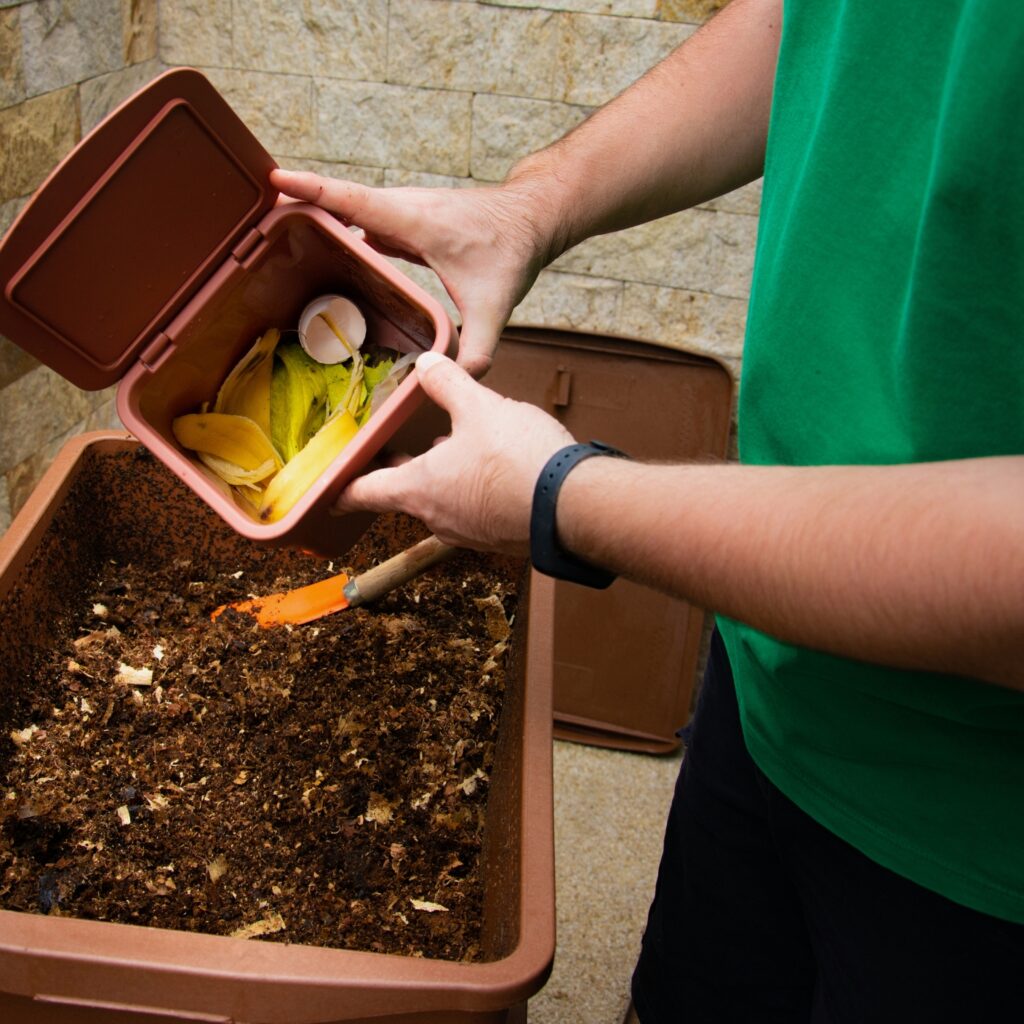
Compost Bin with Organic Waste
Zero Waste Living

Zero-Waste Hacks: Simple Changes for a Trash-Free Life

Hey, Sustainability Seekers! 🌱 Living a zero-waste lifestyle is one of the most impactful ways to reduce your environmental footprint. But where do you start? The idea of completely eliminating waste can feel overwhelming, but I promise—small changes add up! In today’s post, I’ll share easy zero-waste hacks that can help you drastically reduce your household waste, without making drastic changes to your routine. From swapping out single-use plastics to rethinking your packaging choices, these tips will help you live a more eco-conscious, trash-free life, one step at a time. Let’s get started with some practical, sustainable swaps! 1. Ditch Single-Use Plastic Bags: Bring Your Own Reusable Bags 👜 One of the easiest ways to cut down on waste is to stop using plastic bags. Whether you’re at the grocery store or picking up takeout, those flimsy plastic bags often end up in landfills (or worse, in our oceans). 2. Switch to Bar Soap and Shampoo Bars 🧼 We’ve all used liquid soap and shampoo bottles for years, but they’re usually made of plastic and often end up being tossed after a few uses. Opting for bar soap and shampoo bars is a great way to reduce plastic waste while still keeping your skin and hair clean and fresh. 3. Say Goodbye to Paper Towels: Use Cloth Napkins and Towels Instead 🧺 Paper towels might be convenient, but they are also one of the biggest culprits in single-use waste. A household can easily go through rolls of paper towels every month, which adds up quickly. 4. Refill Your Products: Avoid Disposable Bottles 💧 From hand soap to cleaning products, many common household products come in disposable plastic bottles. This single-use plastic can be easily avoided by refilling your products at local refill stations or using reusable containers. 5. Embrace Composting: Turn Food Scraps Into Nutrient-Rich Soil 🌿 Did you know that food waste is one of the largest contributors to landfill mass? Instead of throwing away your fruit and vegetable scraps, try composting them to create nutrient-rich soil for your garden. 6. Invest in Reusable Coffee Cups and Straws ☕🍹 If you’re a coffee lover, you’ve probably used disposable coffee cups with plastic lids and straws more times than you can count. While convenient, they contribute to a huge amount of waste. Thankfully, the zero-waste solution is simple! 7. Go Paperless: Digital Alternatives to Reduce Paper Waste 💻 In the digital age, there’s no need to use paper for everything. From bills to notes, you can easily reduce paper waste by opting for digital alternatives. Set your phone or computer to go paperless for things like: 8. Shop in Bulk: Reduce Packaging Waste 🛒 Buying items in bulk is not only more cost-effective, but it also helps reduce unnecessary packaging waste. Many grocery stores now offer bulk bins for dry goods like grains, nuts, and spices, where you can fill your own containers. Ready to Start Your Zero-Waste Journey? 🌱 Switching to a zero-waste lifestyle doesn’t happen overnight, but with these simple hacks, you can start making a difference today. The key is to start small—every little change counts! I’d love to hear your zero-waste tips and tricks! Drop your ideas in the comments below or share them on social media with #PlanetIdeal. And don’t forget to subscribe to our newsletter for more practical tips on living sustainably.

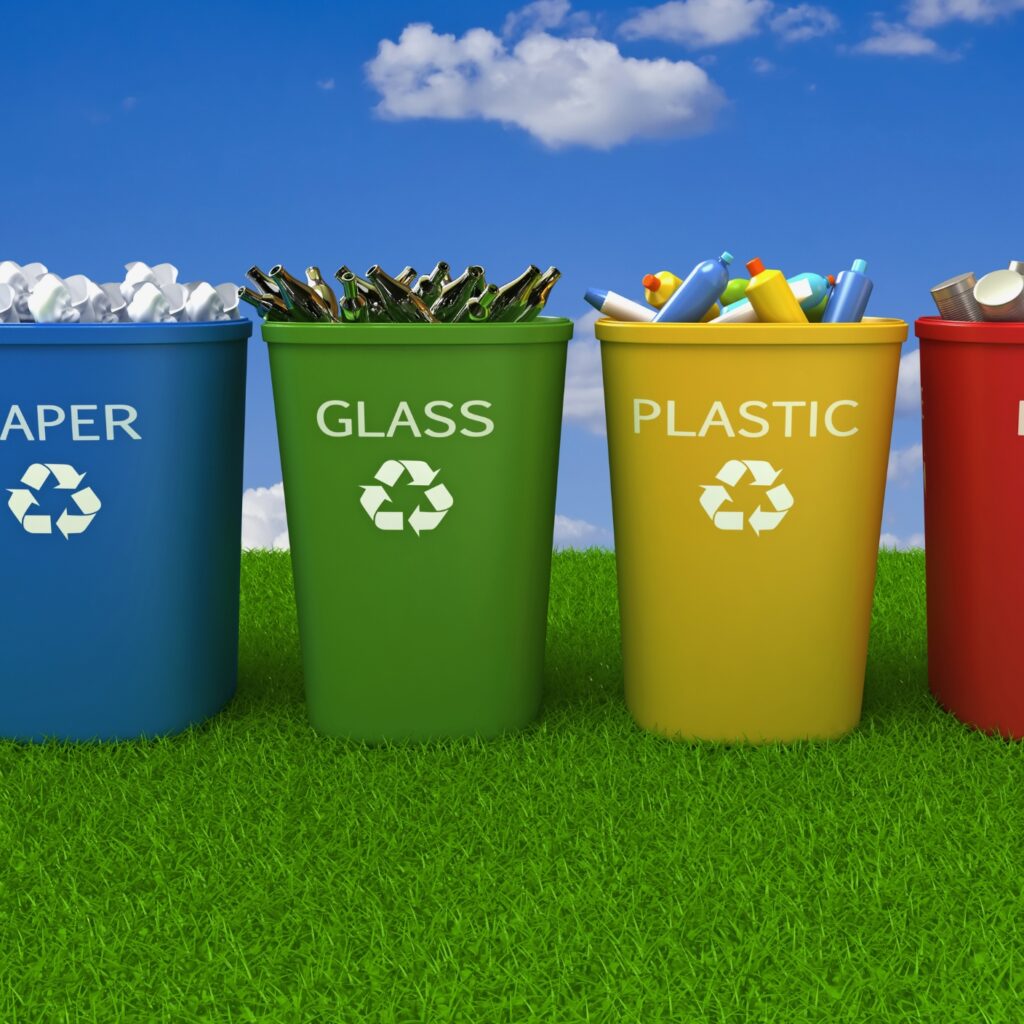
Recycling Bins filled with clean recyclables Plastic Bottles Paper Cans
Sustainable Living Basics, Zero Waste Living

The Truth About Recycling: What You Need to Know

Hey Eco-Warriors! 🌱 We’ve all heard it: “Recycle! It’s good for the planet!” But how many of us truly understand what happens to our recyclables after we toss them in the blue bin? Does recycling really make a difference? And are we recycling the right way? Recycling is often touted as one of the simplest ways to reduce waste and help the environment, but there’s a lot of confusion surrounding the process. Today, we’re going to take a deep dive into the world of recycling—what works, what doesn’t, and how you can make sure your efforts are actually helping the planet. By the end of this post, you’ll be a recycling pro, equipped with the knowledge to make your recycling practices more effective and impactful. Let’s get started! 1. Not All Plastic Is Created Equal 🛍️ When you think of recycling, you probably think of plastic bottles, but did you know that not all plastics can be recycled? Plastics are categorized into seven types, and while some can be recycled, others are much harder to process. 2. Recycling Contamination: What You Need to Know 🧼 One of the biggest problems in recycling is contamination—when non-recyclable materials are mixed with recyclables. For example, food waste or plastic bags in your recycling bin can contaminate the entire load, making it impossible to recycle properly. Here’s how you can reduce contamination: 3. Paper Recycling: Not as Simple as It Seems 📄 You might think paper is easy to recycle—after all, it’s made from trees, right? But the reality is a bit more complicated. While paper is recyclable, it can only be recycled a certain number of times. Over time, the fibers break down, and the paper becomes unusable. 4. The Dirty Truth About E-Waste 💻⚡ E-waste (electronic waste) is one of the fastest-growing waste categories in the world. From phones to laptops, old electronics often end up in landfills, where they can leak toxic chemicals into the environment. The good news? E-waste is recyclable—but it requires specialized facilities to properly process electronic components. Many e-waste items contain precious metals like gold and copper, which can be recovered and reused. What you can do: 5. Composting: A Simple Way to Reduce Waste 🌱 Did you know that food waste is one of the largest contributors to landfill mass? When food waste is sent to landfills, it decomposes without oxygen, producing methane—a potent greenhouse gas. But you can help reduce this by composting organic waste. Composting allows you to turn food scraps and yard waste into nutrient-rich soil that can be used in gardens. Even if you don’t have a garden, composting helps divert waste from landfills and reduces your carbon footprint. 6. How to Find a Recycling Center Near You 🗺️ If you’re not sure where to recycle certain items, you can find local recycling centers using resources like Earth911 or your local waste management website. These tools allow you to search for specific items, such as batteries or plastic bags, and find out where they can be recycled. Some items might even have specialized recycling programs, like textiles, batteries, and light bulbs. Make sure you know what’s accepted in your community. Let’s Make Recycling Count! 🌎 Recycling is an essential part of creating a more sustainable world, but it’s only effective if done correctly. By understanding what can and can’t be recycled, reducing contamination, and taking special care with e-waste and food scraps, you can make a real difference in the health of our planet. Together, we can work towards a cleaner, greener future—one recyclable item at a time! How Do You Recycle? ♻️What are your best tips for recycling effectively? Share your thoughts in the comments below or tag us on social media with #PlanetIdeal. And don’t forget to subscribe to our newsletter for more eco-conscious living tips.

Scenic Train Ride Through Nature
Eco Travel & Adventure

Green Travel Tips: How to Explore the World While Minimizing Your Carbon Footprint

Hello, Wanderlusters! 🌿 Traveling the world is one of life’s greatest joys, but it’s no secret that tourism can have a significant environmental impact. From carbon emissions to overconsumption of natural resources, the traditional way of traveling often leaves a large footprint. But here’s the good news: sustainable travel is on the rise, and it’s easier than ever to explore the world while minimizing your environmental impact. In today’s post, I’ll be sharing some simple yet effective green travel tips that will help you enjoy your adventures without compromising the planet. Whether you’re traveling close to home or jet-setting across the globe, these tips will inspire you to make eco-friendly choices and leave a lighter footprint wherever you go. Let’s dive in and discover how to become a more conscious traveler! 1. Choose Eco-Friendly Transportation 🚆🚲 Flying may be the fastest way to get to your destination, but it’s also one of the most carbon-intensive forms of travel. To reduce your travel carbon footprint, consider the following alternatives: 2. Pack Light and Choose Eco-Friendly Luggage 🧳 Packing light not only makes your travels easier, but it also reduces your environmental impact. The less weight you carry, the less fuel is required for transportation. But packing light doesn’t mean sacrificing comfort—just focus on the essentials! Additionally, opt for eco-friendly luggage made from sustainable materials like recycled polyester, organic cotton, or even biodegradable fabrics. 3. Stay at Eco-Friendly Accommodations 🏨🌱 When booking your stay, look for hotels, hostels, or Airbnbs that prioritize sustainability. Eco-friendly accommodations usually focus on reducing waste, conserving water and energy, and supporting local communities. You can look for certifications like Green Key, EarthCheck, or LEED to ensure the property aligns with sustainability practices. Alternatively, consider homestays or campsites for more immersive, eco-conscious travel experiences. 4. Pack Reusable Items to Reduce Waste ♻️ Traveling often involves a lot of single-use plastics—think water bottles, plastic bags, and takeout containers. Combat this waste by packing reusable items such as: These small items can make a huge difference in reducing waste while on the go. 5. Support Local, Sustainable Businesses 🌍💚 While traveling, make a conscious effort to support local businesses that are committed to sustainability. From restaurants that serve organic, locally sourced food to artisans who create products using recycled materials, your spending can help foster a more sustainable local economy. Don’t forget to shop at local farmers’ markets and visit eco-conscious tour operators who offer sustainable travel experiences. 6. Minimize Your Carbon Footprint During Your Stay 🌱🌍 While traveling, there are many small ways to reduce your carbon footprint and make your stay more sustainable. Here are some ideas: 7. Offset Your Carbon Emissions 🌳 If you must fly, consider carbon offset programs that allow you to neutralize the environmental impact of your flight. Many airlines and independent organizations offer programs where you can invest in tree planting, renewable energy, or other climate-positive projects to offset your travel emissions. Ready to Travel the Green Way? 🌿✈️ Traveling sustainably doesn’t mean you have to compromise on your adventures. By making mindful choices about transportation, accommodation, and daily habits, you can reduce your carbon footprint and support eco-friendly initiatives. The world is full of beautiful, sustainable travel options, and it’s up to us to embrace them! What Are Your Favorite Green Travel Tips? 🗺️Share your tips for sustainable travel in the comments below or tag us on social media with #PlanetIdeal. And don’t forget to subscribe to our newsletter for more tips on living a sustainable, eco-conscious life.

A Well organized wardrobe featuring classic pieces
Green Fashion

Eco-Friendly Fashion: How to Build a Sustainable Wardrobe

Hello, Conscious Fashionistas! 🌍 Did you know that the fashion industry is one of the largest polluters on the planet? Fast fashion—cheap, mass-produced clothing that falls apart after a few washes—is a major contributor to environmental degradation. But here’s the good news: building a sustainable wardrobe isn’t as hard as it sounds. In fact, it can be a fun and creative process that not only helps the planet but also supports ethical practices. Today, I’m going to show you how to build a stylish, eco-friendly wardrobe that will make you feel good inside and out. From choosing the right materials to shopping mindfully, let’s dive into the world of sustainable fashion and discover how easy it can be to make conscious choices about what we wear. 1. Invest in High-Quality, Timeless Pieces 🧥 When it comes to sustainable fashion, quality over quantity is key. Instead of buying into trends that fade quickly, focus on purchasing high-quality, classic pieces that will last for years to come. A well-made jacket, a pair of jeans that fit perfectly, or a timeless little black dress can stay in your wardrobe for decades, reducing the need for constant shopping sprees. 2. Choose Sustainable Fabrics 🌱 The materials your clothes are made from play a huge role in their environmental impact. Opt for natural fibers like organic cotton, linen, hemp, and bamboo, which have a smaller environmental footprint compared to synthetic fabrics like polyester. If you love the softness of wool or cashmere, make sure to choose ethical, cruelty-free options. Here are some sustainable fabric options to consider: 3. Buy Less, Choose Wisely 💡 One of the biggest issues with fast fashion is the overconsumption of cheap, disposable clothing. Instead of constantly buying new items, focus on buying less and making more intentional purchases. Ask yourself: Do I really need this item? Will I wear it often? Does it fit with my personal style? By shopping more mindfully, you’ll not only save money but also reduce your environmental impact. 4. Embrace Thrift Shopping and Vintage Finds 🛍️ Thrift shopping and buying vintage clothing are fantastic ways to support the circular economy. By buying secondhand, you’re giving clothes a second life and preventing them from ending up in landfills. Plus, vintage fashion is unique and often more durable than fast-fashion pieces. Don’t forget to check out online secondhand stores and clothing swaps for more sustainable options! 5. Care for Your Clothes the Right Way 🧺 Taking good care of your clothing can extend its lifespan significantly. Here are some tips to keep your wardrobe in tip-top shape: By following these simple steps, you’ll help reduce your wardrobe’s environmental footprint. 6. Support Ethical and Sustainable Brands 🌍 When you do decide to buy new clothes, make sure to support brands that are committed to ethical production and sustainable practices. Look for companies that prioritize: It’s not just about what you buy—it’s about supporting businesses that are actively working to make a positive impact on the world. Start Building Your Sustainable Wardrobe Today! 🌿 By making more conscious decisions about what you wear and how you shop, you can help reduce the fashion industry’s environmental impact. Remember, sustainable fashion doesn’t mean sacrificing style— it’s about choosing quality over quantity, supporting ethical brands, and investing in pieces that last. You don’t have to be perfect, but every small change you make helps the planet. What’s in Your Sustainable Wardrobe? 👗I’d love to hear from you! What are your favorite eco-friendly fashion brands? Do you have any tips for building a sustainable wardrobe? Share your thoughts in the comments below or tag us on social media with #PlanetIdeal. And don’t forget to subscribe to our newsletter for more sustainable living tips, exclusive content, and more!

Colorful beeswax wrap covering sandwich
Zero Waste Living

Zero Waste Hacks: Simple Ways to Cut Down on Waste in Your Everyday Life

Hey, Eco-Friends! 🌿 Living a zero-waste lifestyle might sound intimidating at first, but the truth is, it doesn’t have to be an all-or-nothing approach. Even small, simple changes can make a big difference. The good news is, you don’t need to overhaul your life overnight. By making a few eco-friendly swaps here and there, you can reduce your environmental footprint while still living a practical, beautiful life. Today, we’re diving into zero-waste hacks that you can implement in your everyday routine to help cut down on waste. Whether you’re just getting started or have been on this journey for a while, these tips will show you how easy it can be to reduce waste—without sacrificing convenience! Let’s get started with these simple and effective ideas that will make your life greener and more sustainable. 1. Ditch Single-Use Plastic Bags for Reusable Totes 🛍️ One of the easiest swaps you can make is replacing plastic bags with reusable ones. We’ve all been guilty of forgetting our bags when we’re out grocery shopping, but keeping a few in your car or purse can help eliminate this habit. Plus, reusable bags are sturdy, stylish, and can be used for a variety of purposes. 2. Say Goodbye to Paper Towels with Cloth Alternatives 🍽️ If you’ve ever noticed how quickly paper towels pile up in your trash, you’ll know that this common household item contributes significantly to waste. Swap them out for reusable cloth napkins, dish towels, or even old t-shirts cut into rags. These alternatives are washable and can be used over and over again. Fun fact: A family of four can save about $80 per year just by switching to cloth napkins instead of paper ones! 3. Skip the Single-Use Water Bottles 💧 Plastic water bottles are one of the most pervasive sources of waste today, but it’s easy to make the switch. Grab a high-quality, reusable water bottle that you can take everywhere. Stainless steel bottles are great for keeping your drinks cool or hot, and they’ll save you money in the long run. Did you know? If every person in the U.S. refilled just one plastic bottle per week, we’d save over 1.5 billion bottles each year! 4. Use Bar Soap and Shampoo Bars Instead of Bottled Products 🧼 Plastic bottles take forever to decompose, so switching to bar soap and shampoo bars is a great zero-waste swap. These bars come in eco-friendly packaging or none at all, and they’re compact, long-lasting, and easy to carry when traveling. Plus, they’re often made with natural, non-toxic ingredients! 5. Choose Paperless Options for Bills and Subscriptions 💻 This one is a simple digital hack! Rather than receiving paper bills and subscriptions in the mail, opt for electronic statements and notifications. Most companies offer paperless billing options, and it’s one less thing you’ll need to recycle or dispose of. 6. Use Beeswax Wraps Instead of Plastic Wrap 🍯 Plastic wrap is convenient but incredibly wasteful. Swap it out for reusable beeswax wraps that can cover your food, seal containers, or even wrap up sandwiches. Beeswax wraps are reusable, washable, and biodegradable, making them a perfect eco-friendly alternative. 7. Buy in Bulk to Reduce Packaging Waste 🛒 Purchasing products in bulk can significantly reduce packaging waste. Items like grains, nuts, and even household cleaners often come in large containers, which can be more eco-friendly than buying multiple smaller packages. Bring your own reusable containers to the store, and you’ll be able to purchase exactly what you need with minimal waste. Let’s Make Zero Waste the Norm 🌎 Living a zero-waste lifestyle doesn’t require perfection, but every little change you make adds up to a big impact. These simple hacks are easy to integrate into your daily routine and can help reduce the amount of waste you generate. Whether you’re just starting out or have been on the zero-waste journey for a while, it’s about progress, not perfection. Let’s Hear From You! 📢What’s your favorite zero-waste hack? Are there any tips or tricks you’ve found particularly helpful on your journey? Let us know in the comments below or tag us on social media with #PlanetIdeal. If you’re ready to dive deeper into sustainable living, don’t forget to subscribe to our newsletter for weekly tips, exclusive content, and more!

The name reflects our vision: a planet where every choice we make is an ideal one—ideal for our health, ideal for the environment, and ideal for future generations.

Š 2024 PlanetIdeal.comÂ

Contacts

Email : info@planetideal.com

Established after the : 
2011 United Nations Climate Change Conference
[ COP17 Summit 2011, in Durban, KZN, ZA ]

Registered Address : 
PO Box 55556, Durmail, 4003
Durban, KZN, ZA

CLIMATE CLOCK

1.5 degrees Warning Countdown

Day
Hr
Min
Sec

Join Our Community and Get a Tips and Freebies on how you can help to stop the Climate Change Clock

No thanks I don't care about the Environment
Scroll to Top